

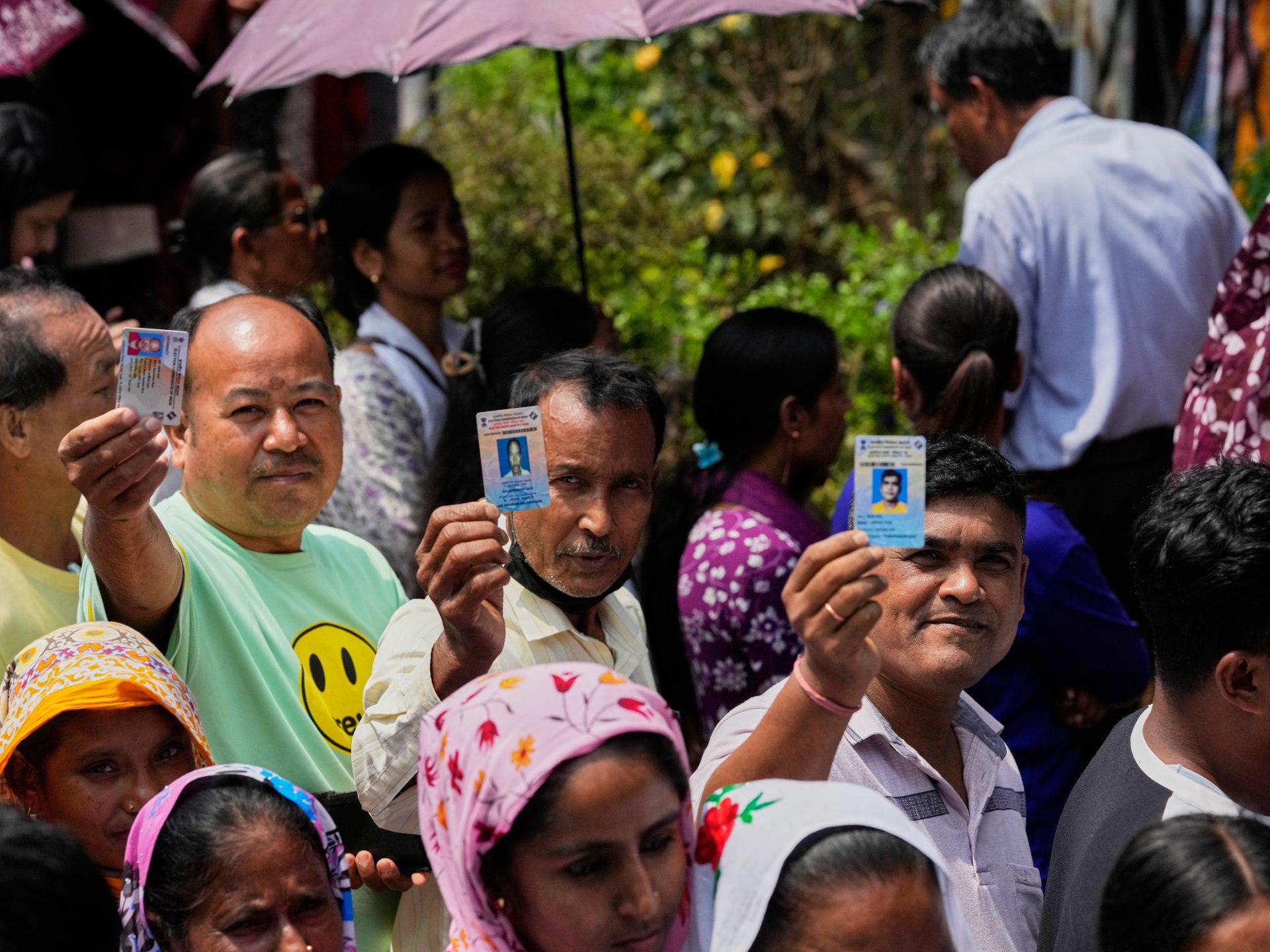
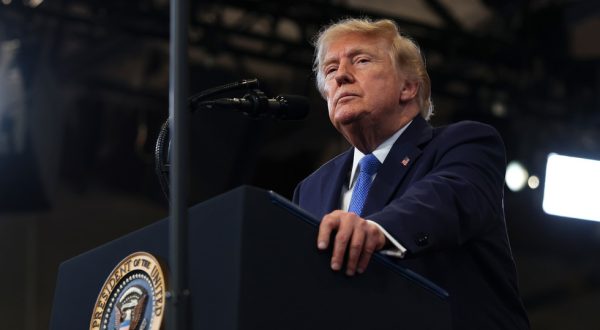
Kathmandu— US President Donald Trump has highlighted India’s election system as a model for tighter voter identification rules in the United States, amid ongoing debate over proposed legislation. In a recent social media post, Trump noted that India's 2024 general election—with 646 million voters—saw less than one percent vote by mail and required all voters to present valid photo identification. He used this comparison to bolster his support for the SAVE America Act, which would impose stricter voter ID and citizenship verification requirements in US federal elections; however, India’s own electoral process has faced scrutiny regarding its fairness and inclusivity under Prime Minister Narendra Modi.
The Save America Act: A Contentious Proposal
The Safeguard American Voter Eligibility (SAVE) America Act, championed by Trump, passed the Republican-controlled House of Representatives in February. The bill mandates documentary proof of US citizenship—such as a birth certificate or passport—for voter registration and stricter identification requirements for all ballots. Supporters argue these measures would safeguard elections, but critics contend they would disenfranchise voters. Research from the Brennan Center for Justice indicates that reported instances of voter fraud are rare, typically stemming from clerical errors rather than widespread illegal voting, with incident rates ranging from 0.0003 to 0.0025 percent.
India’s Election System: Scale and Scrutiny
The Election Commission of India (ECI) oversaw nearly 970 million registered voters in the 2024 general election, with over 640 million participating—making it the largest election in history. Voter photo identification was introduced in 1993 to prevent impersonation and strengthen election administration. While widely admired for its scale and efficiency, India’s electoral process has also faced criticism regarding electoral rolls, campaign practices, and concerns about institutional independence under Prime Minister Modi. India does allow limited mail-in voting via postal ballots for specific groups like police, armed forces personnel, and those on election duty.
Allegations of Electoral Malpractice in India
India’s opposition parties have consistently raised concerns about potential malpractices in both national and regional elections. In August 2024, Congress Party leader Rahul Gandhi alleged fraud in the general election, claiming that fraudulent voters were added to electoral rolls in Karnataka. He presented instances of individuals appearing with multiple voter IDs, potentially enabling them to vote more than once. The government dismissed these allegations but declined Gandhi’s request for transparency through the release of electronic voter rolls and CCTV footage. Similar accusations of irregularities and duplicate voter registrations surfaced during the 2024 Haryana state election.
Concerns Over Voter Disenfranchisement
Analysts and rights groups argue that while voter ID may seem like a straightforward solution, it overlooks a more fundamental issue: who is able to vote in India. The ECI recently launched a Special Intensive Revision (SIR) exercise aimed at identifying ineligible voters—a move backed by the Modi government but opposed by many opposition parties. This process has led to the removal of millions of names from electoral rolls, raising concerns about disenfranchisement, particularly among marginalized communities. In West Bengal, nearly nine million people lost their voting rights following the completion of the SIR process, with a disproportionate number being Muslim voters and members of the Matua community—a Dalit sect living near Bangladesh.
A Shift in Power Dynamics?
Political economist Parakala Prabhakar suggests that the current government and ECI are effectively determining who is eligible to vote. “This amounts to government choosing the voters rather than the voters choosing the government,” he said. He further argues that India is experimenting with a “bloodless” way of influencing elections by depriving certain groups of their franchise, contrasting it with more forceful methods used elsewhere.
The ECI’s efforts to cleanse electoral rolls continue to be debated, with opposition parties and rights activists raising concerns about the potential for disenfranchisement and bias. The implications of these changes on future Indian elections remain to be seen.
(With inputs from Al Jazeera)
Originally published on abcnews.com.np.



प्रतिक्रिया दिनुहोस्