

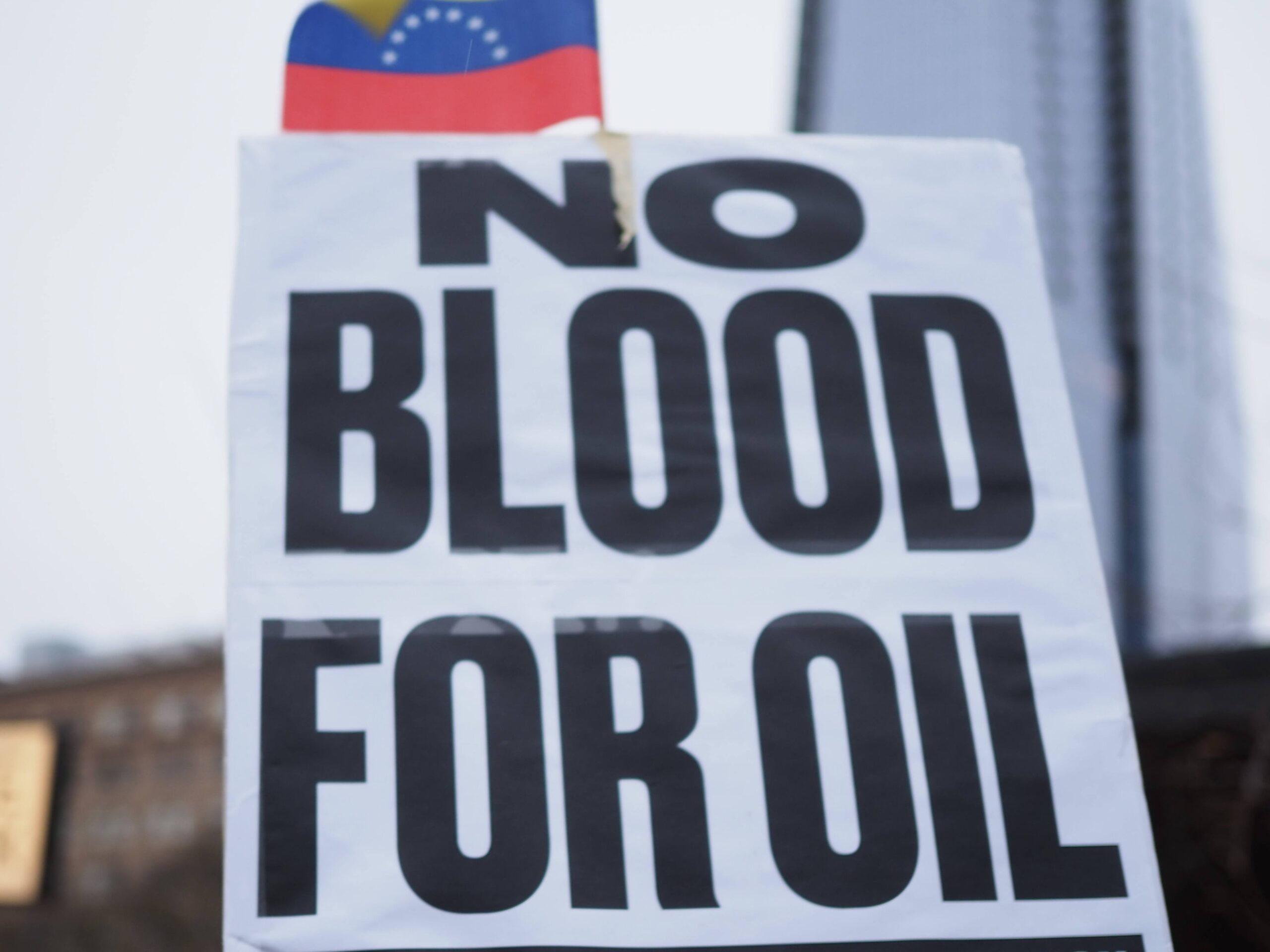
Kathmandu— On January 3, 2026, the United States launched a military intervention in Venezuela, capturing President Nicolás Maduro and his wife Cilia Flores and transferring them to the US. The operation, involving 150 aircraft and resulting in approximately one hundred deaths including 32 Cubans protecting the presidential palace, led to Donald Trump’s announcement that Washington would temporarily control Venezuela and exploit its oil resources. This intervention has resulted in the US controlling the collection, safekeeping, and disbursement of Venezuelan oil revenues—the country's primary source of foreign income—while the Venezuelan government struggles with limited access to these funds.
Intervention and Initial Control
The military aggression perpetrated by the US and the subsequent acceptance of the situation by Venezuelan officials allowed Washington to seize control of the nation’s oil exports and associated financial accounts. Prior to the intervention, Venezuela's oil exports generated $18.4 billion in 2024 and $18.2 billion in 2025, figures reflecting relatively low production levels due to industry difficulties and sanctions. Following Maduro’s capture, Trump eased some sanctions allowing for increased sales, but directed the revenue into US-managed accounts.
Revenue Surge and US Management
Since January 2026, oil exports have rapidly increased under US control, rising from around $600 million in January to approximately $3.7 billion in April. By July 2026, the Financial Times estimated that over $13 billion had been generated from Venezuelan oil sales and deposited into accounts controlled by the US government. While this represents a significant increase—roughly 70 percent of Venezuela’s total 2025 oil revenue—the actual amount reaching the Venezuelan government remains unclear. Joaquin Castro, a Democratic member of Congress, criticized the operation to the Financial Times, stating that it had been “about oil, power and graft from the very beginning,” with billions in revenue controlled by the Trump administration without transparency.
Lack of Transparency and Audit Concerns
Despite claims by US officials that approximately $3 billion has been authorized for transfer to Venezuela to fund government operations and the oil industry, public accounts remain incomplete. A Venezuelan register published in March 2026 showed only a single transfer of $300 million, while the State Department maintains a higher figure. The Council on Foreign Relations noted that no detailed public report had been released by KPMG, which was awarded an $84.4 million contract to provide transparency regarding Venezuela’s natural resource revenue. This lack of clear accounting raises concerns about how funds are being allocated and utilized.
Resurgence of Foreign Oil Companies
The new Venezuelan government has implemented reforms to its hydrocarbon legislation, opening the sector further to foreign investment and reducing the prerogatives of the state-owned oil company PDVSA. Companies such as Chevron, Shell, Eni, Repsol, and BP have resumed or expanded operations in Venezuela. This development aligns with Washington’s goals of increased production, Western involvement, and US control over financial channels for exports.
Neo-Colonial Implications
The current arrangement has been described as ‘almost neo-colonial,’ with the United States exerting significant influence over Venezuela by controlling its primary source of income. While Venezuela continues to produce and export oil, it lacks full control over the revenue generated, creating a relationship of economic dependence.
The US intervention in Venezuela has fundamentally altered the country’s financial landscape, establishing a system where Washington controls the vast majority of oil revenues. The lack of comprehensive public accounting remains a key concern, hindering transparency and raising questions about the true extent to which these funds are benefiting the Venezuelan people.
(With inputs from CounterPunch)
Originally published on abcnews.com.np.


प्रतिक्रिया दिनुहोस्