

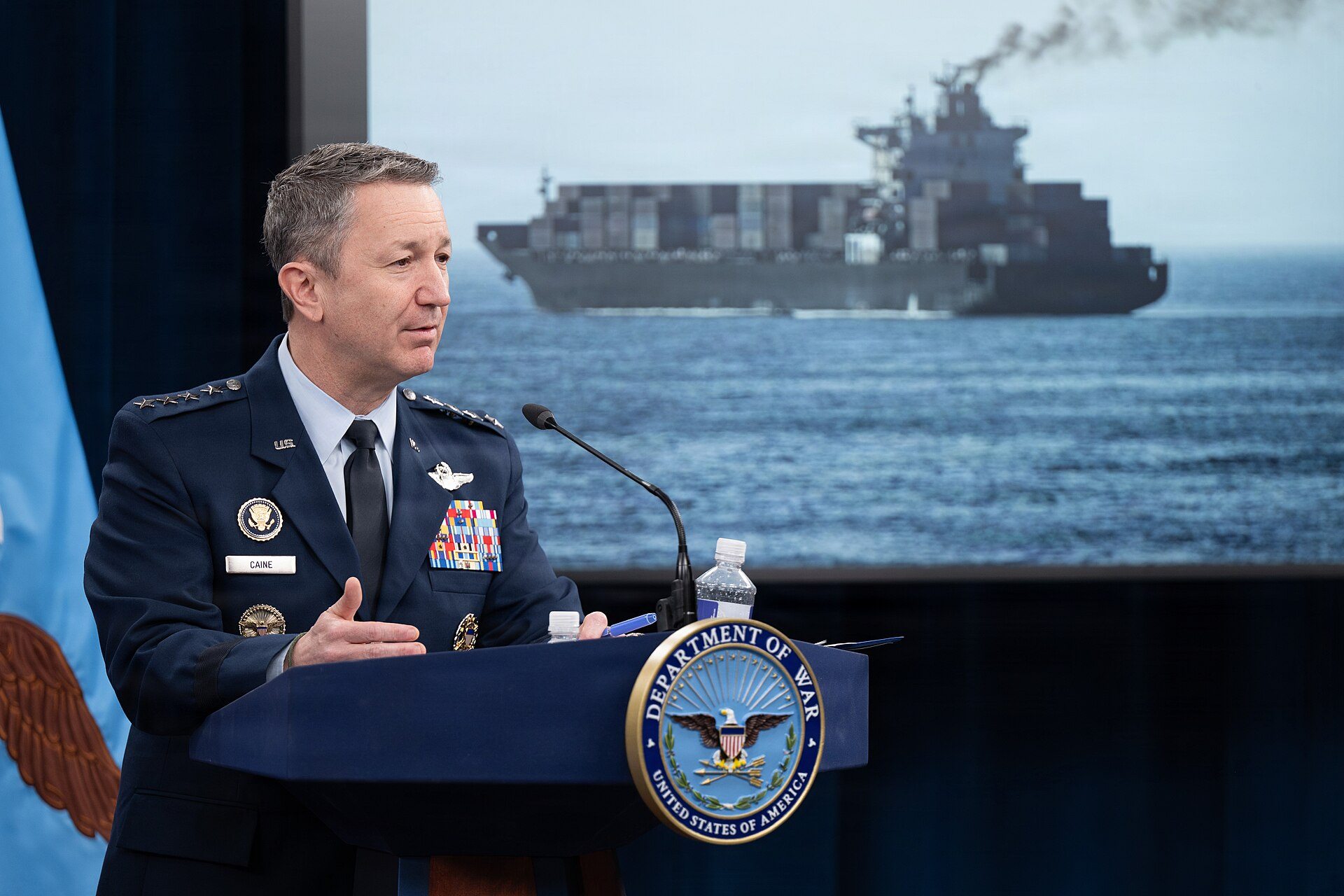
Kathmandu— Donald Trump’s statements concerning Iran have swung wildly in recent months, ranging from veiled threats of war to promises of peace, creating a climate of uncertainty surrounding U.S.-Iran relations. After previously claiming “no new wars” during his first term and boasting about avoiding conflicts, Trump has recently discussed the possibility of military intervention in Iran, even suggesting extreme measures like “decapitation.” This comes as he proposes significant increases to the Pentagon’s budget – a 50% jump since the Korean War – while simultaneously claiming to seek diplomatic solutions, leaving observers questioning his long-term strategy and raising fears of an unpredictable foreign policy.
History of Belligerent Rhetoric
Trump's aggressive stance towards Iran is not new, with past comments dating back to 1980 resurfacing amid current tensions. While serving as president in his first term, he claimed to be the only modern president who did not start a new war, acknowledging only limited engagement against ISIS in Syria. However, recent statements have escalated concerns, including threats related to the Strait of Hormuz and warnings of “catastrophe” if Iran does not comply with demands for negotiations. He initially threatened that if Iran didn’t reopen the Strait of Hormuz, “a whole civilization will die tonight,” but later backed down from this position.
Budgetary Implications and Military Posturing
Adding to the apprehension is Trump's proposal to dramatically increase the Pentagon’s budget to $1.5 trillion annually – the largest single-year increase since the Korean War. This proposed spending surge, despite claims of pursuing peace, has fueled speculation about a potential military buildup aimed at Iran. Steven Erlanger of The New York Times recently described Trump as having turned the U.S. into “an unpredictable instrument of global disorder,” while also shifting responsibility for the Strait of Hormuz to Iran and Oman.
Unpredictability and Shifting Goals
The core concern surrounding Trump’s approach is its inherent unpredictability. His statements are often contradictory, with promises of peace quickly followed by threats of force. He has even floated seemingly unrelated scenarios, such as targeting Greenland or closing the Northwest Passage in retaliation for actions by Iran. As he stated regarding potential action against Iran, “I want to give them every last chance before decapitation… We’ll see what happens.” This erratic behavior leaves allies and adversaries alike struggling to decipher his true intentions.
Erosion of Support
The volatility of Trump's policies appears to be impacting even his base of support. The article notes that his “MAGA loyalist base seems to be shrinking all too rapidly,” suggesting growing unease among those who previously championed his unconventional approach to foreign policy. This erosion of support, coupled with the unpredictable nature of his decision-making, raises questions about the long-term stability of his administration's Iran strategy.
As of now, the situation remains fluid and uncertain, with Trump’s next move remaining unclear. The lack of a consistent policy direction continues to fuel anxieties about potential escalation and the broader implications for regional stability.
(With inputs from CounterPunch)
Originally published on abcnews.com.np.


प्रतिक्रिया दिनुहोस्