

Kathmandu— Born into a world scarred by war, a writer reflects on the unlikely path from hardship to privilege forged by historical forces. The author recounts novelist Raymond Federman’s survival as a Jewish child hidden during the Holocaust, and how that trauma paradoxically led to a life of academic success in America. This experience sparked a broader contemplation: for many children of the New Deal generation, the Cold War-era expansion of education offered an unprecedented escape from economic hardship, creating both opportunity and a lingering sense of survivor’s guilt.
A Generation Forged by Conflict
Federman's story exemplifies a pattern. The author notes that for many like him, the war and subsequent Cold War created conditions for upward mobility that wouldn't have existed otherwise. Without the conflict, Federman might have remained a tailor in Paris; similarly, the author’s own family background would have kept him rooted in agricultural labor. This wasn’t simply individual luck, but a systemic shift driven by national priorities.
The Sputnik Moment and Educational Investment
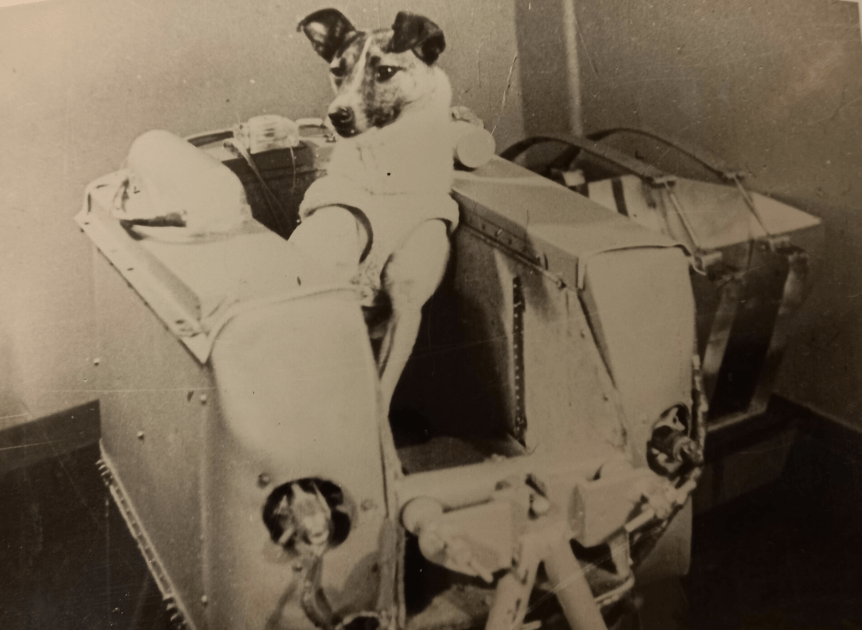
A pivotal moment arrived with the launch of Sputnik II in 1957. The author recalls being in first grade when their teacher, Miss Evelyth, declared that everything would now be “exciting.” This wasn’t mere enthusiasm; it signaled a massive influx of funding into public education via the National Defense Education Act of 1958. The goal was to cultivate a generation of scientists and mathematicians capable of competing with the Soviets.
Beyond Utility: Fostering Curiosity and Creativity
Despite its military origins, this educational investment didn’t solely focus on producing “useful automatons.” Teachers like Miss Evelyth prioritized curiosity, critical thinking, and creativity. The author suggests that these educators saw their students as individuals deserving of opportunity, not merely assets in a Cold War arms race. This created an environment where working-class children were given resources comparable to those enjoyed by wealthier peers.
The Weight of Privilege
This newfound access to education fostered a sense of liberation and possibility—a feeling of being “stateless” from the constraints of their origins. However, this progress came with a complex emotional burden. The author, echoing Adorno’s sentiments, grapples with the awareness that their own opportunity may have come at the expense of others who lacked such advantages. “Unless one makes oneself wholly insensitive,” Adorno wrote, “one can hardly escape the feeling that just by continuing to live one is taking away that possibility from someone else.”
A Shift in Support and Lingering Questions
The author laments a later reversal of this trend, beginning with the Reagan era, as state support for education waned and tuition costs soared. Higher education became increasingly reliant on personal debt, transforming it from a vehicle for social mobility into another form of economic extraction. Despite this shift, the initial investment in education left an indelible mark on those who benefited, fostering both gratitude and a sense of responsibility.
The author concludes with a hopeful note, citing Adorno’s belief in the inherent potential within every individual, even amidst hardship. This enduring optimism serves as a reminder that even after experiencing profound loss and witnessing societal injustices, the possibility for renewal and growth remains.
(With inputs from CounterPunch)
Originally published on abcnews.com.np.



प्रतिक्रिया दिनुहोस्