

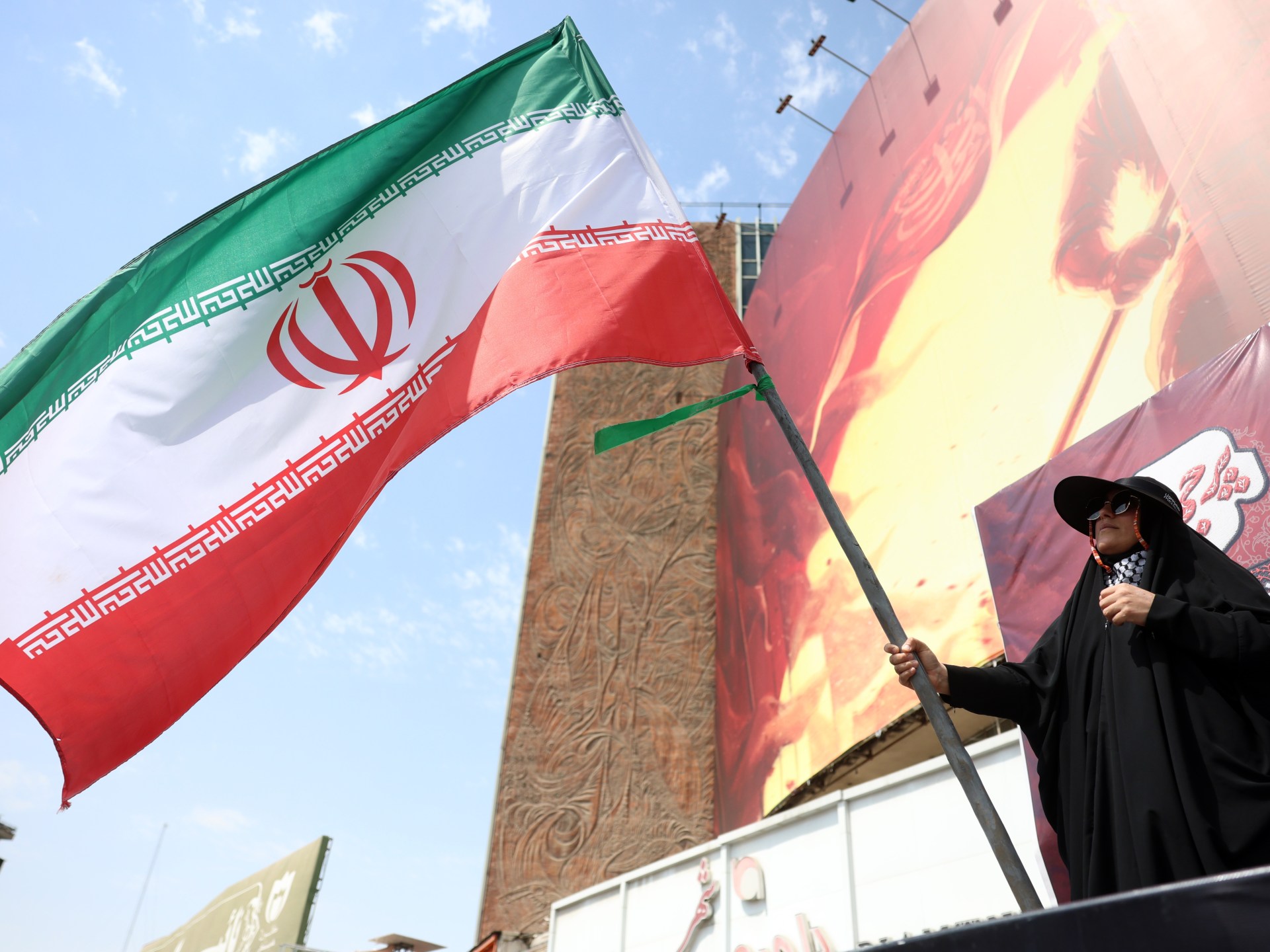
Kathmandu— Iran’s parliament has approved the general principles of a broad plan designed to combat “foreign infiltration,” focusing on sectors like academia, media, and culture. The legislation would require citizens and organizations to seek authorization for interactions with foreign universities, embassies, and media outlets, sparking alarm among experts, government officials, and the public. Proponents frame it as a national security measure following recent conflicts, while critics argue it will further curtail freedoms and exacerbate issues like brain drain. The bill, passed in a remote session on Sunday, still requires final ratification by parliament and a powerful constitutional watchdog before becoming law.
Broad Restrictions on Foreign Contact
The envisioned legislation establishes sweeping restrictions on contact with foreign entities, encompassing publishing, research, scholarships, media work, and financial transactions. Countries will be categorized into tiers based on the level of scrutiny applied to interactions, with the United States and Israel expected to face the highest levels of oversight. A Ministry of Interior portal would be established to register all foreign-linked activities, including data exchange and participation in workshops. Organizers of foreign-supported events could face imprisonment, while participants may also be penalized.
Impact on Academia and Culture
The bill mandates that educational institutions incorporate “enemy infiltration” awareness into curricula, with input from intelligence agencies. Interactions with foreign media would require prior permission, and unauthorized contact with outlets deemed hostile could result in prison sentences of up to several years. Disseminating information considered harmful to Iran’s security or public trust could carry a maximum penalty of 30 years' imprisonment. The arts and culture sector is also targeted, with works perceived as questioning religious rules or promoting “anti-Islamic culture” facing fines, bans, and production stoppages.
Government Opposition and Public Reaction
Despite parliamentary approval, the plan faces opposition from within the government itself. Majid Ansari, a deputy to President Masoud Pezeshkian, stated that the government is “explicitly opposed” to the legislation, arguing it will hinder scientific work, damage Iran’s international image, and accelerate brain drain. He also contends that the plan contradicts the constitution and infringes upon citizens' rights. Local media outlets are divided, with some criticizing the restrictions on press freedom while others support the measure as a necessary step to counter foreign influence.
Concerns Over Implementation and Scope
Legal experts have expressed skepticism about the feasibility of enforcing such broad regulations. Kambiz Norouzi, a university professor, described the plan as “wholly inconsistent with the fundamental rights of the people” and predicted significant changes before final approval. A medical researcher at the University of Tehran, planning to pursue a PhD abroad, voiced concern over the precedent set by the bill, while also noting that many provisions are too vague for nationwide enforcement. Social media users have reacted with frustration and dark humor, expressing fears about potential surveillance and repercussions.
The bill now moves to the Guardian Council for final ratification, a process expected to take weeks or months. Its ultimate fate remains uncertain, but its passage through parliament signals a growing trend towards stricter control over information and interaction with the outside world.
(With inputs from Al Jazeera)
Originally published on abcnews.com.np.




प्रतिक्रिया दिनुहोस्