

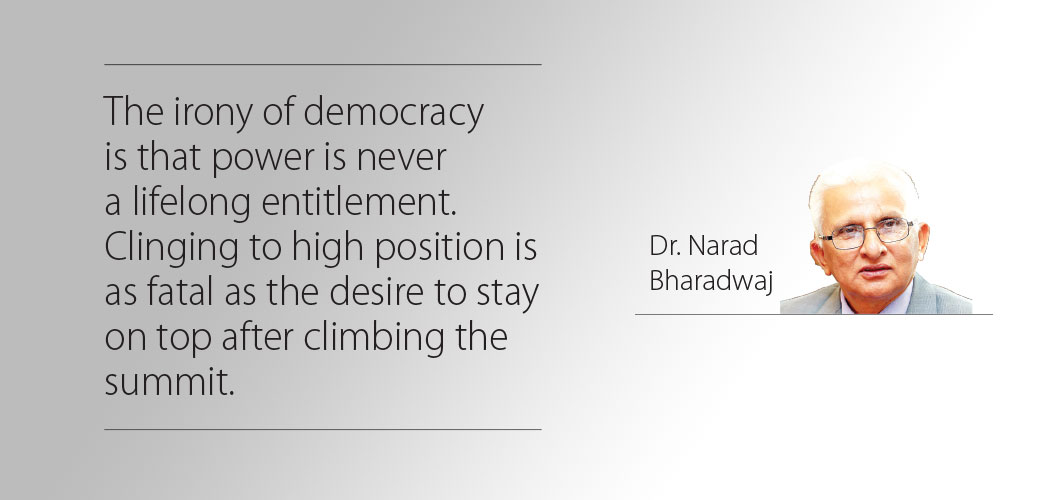
Kathmandu— Nepal is undergoing a significant transition in its political leadership, marked by a decisive electoral shift that has placed younger figures at the helm of state power. This change reflects growing discontent with prolonged incumbency among established politicians and a desire for generational renewal within democratic institutions. The March 5, 2026 election resulted in a catastrophic defeat for traditional parties, opening the door for a new cohort of leaders advocating for transparency, accountability, and an end to corruption. The current situation has sparked internal conflicts as older guard figures resist relinquishing control.
The Demand For Generational Change
For some time, calls for a transfer of power had been growing within Nepal’s political institutions, but leaders often felt secure in their positions and dismissed these voices. The practice of prioritizing loyalists over younger party members drove many to the margins, leading them to join independent groups or even form new political parties. While initially unsuccessful in gaining significant representation, these newer factions successfully tapped into public frustration with corruption, nepotism, and the monopolization of authority by established leaders.
Internal Strife Within Traditional Parties
The two largest traditional parties, the Nepali Congress and the CPN-UML, are now grappling with internal struggles between those advocating for continued incumbency and those pushing for generational transfer. The Nepali Congress underwent a peaceful restructuring under youth leader Gagan Thapa following the departure of Sher Bahadur Deuba, who fled the country amidst last year’s protests led by Gen Z voters. Deuba has since returned and is challenging the legitimacy of Thapa’s leadership through legal action, appealing to the Supreme Court.
Lessons From Prolonged Leadership
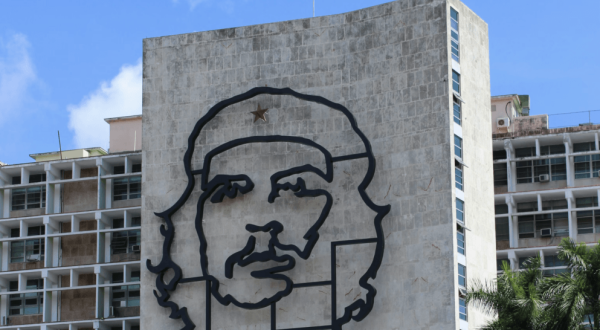
The author points to examples like Viktor Orbán of Hungary and Nicolás Maduro of Venezuela as cautionary tales, demonstrating how prolonged incumbency can erode democratic institutions and isolate leaders. He argues that political leaders, regardless of their power, are not indispensable and should facilitate a smooth transfer of power before it is too late. The current situation within the Nepali Congress and CPN-UML is described as a “vulgar comedy” highlighting the disregard for democratic values.
Restructuring For Future Stability
Younger members within both the Nepali Congress and CPN-UML are now advocating for restructuring their party organizations to facilitate power transfer. The author warns that if KP Sharma Oli of UML and Sher Bahadur Deuba continue to resist change through manipulation, they risk destroying their parties and becoming irrelevant. Democratic leaders must recognize that their position is based on public trust, not entitlement, and should be prepared to step aside when popular support wanes.
The Supreme Court is currently reviewing its earlier decision recognizing the Gagan Thapa-led faction of the Nepali Congress, but a reversal appears unlikely given the corruption allegations surrounding Deuba. The future direction of both major parties will depend on whether established leaders heed the calls for restructuring and embrace generational change.
(With inputs from RN)
Originally published on abcnews.com.np.

प्रतिक्रिया दिनुहोस्