

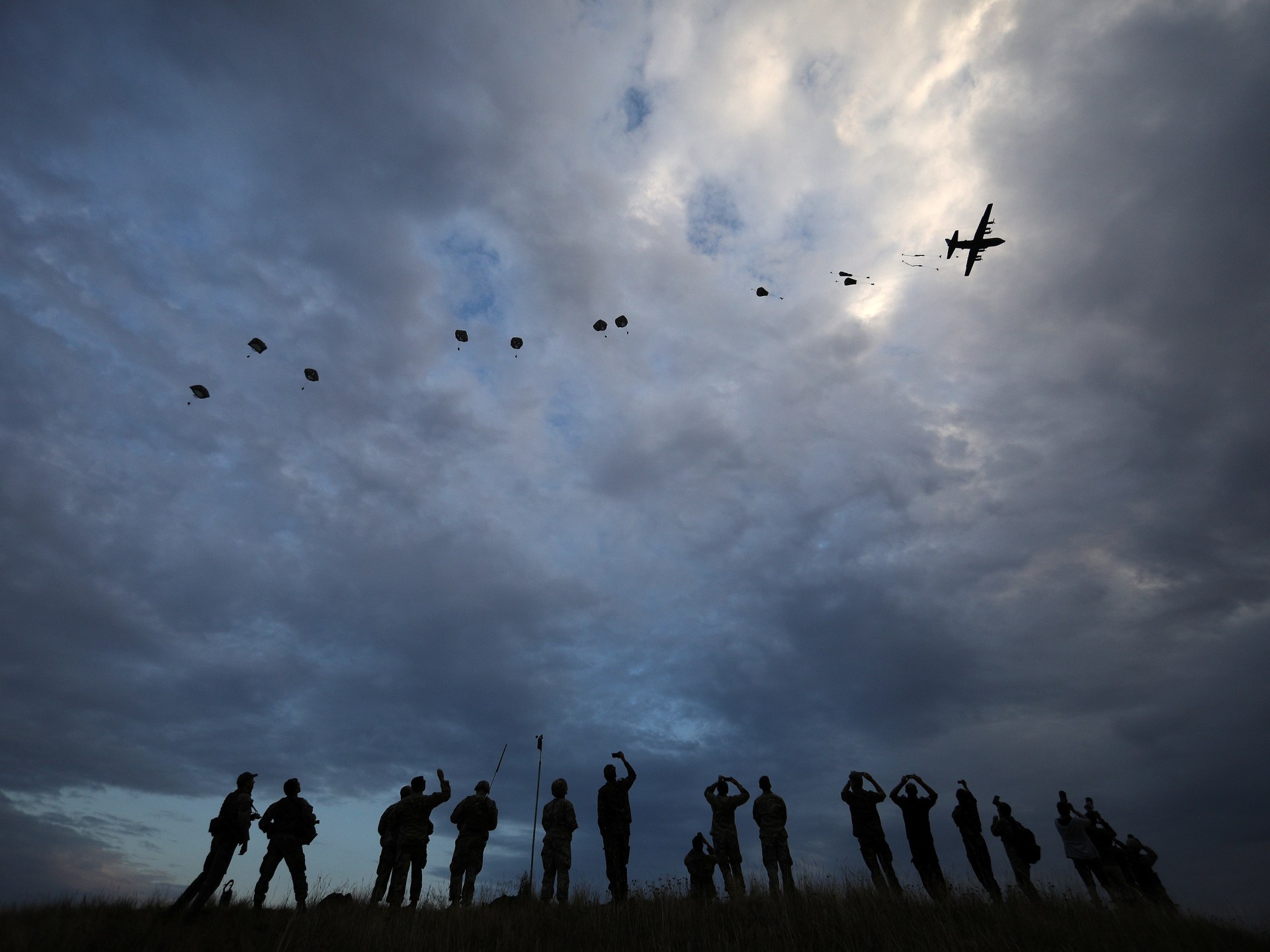
Kathmandu— Following unexpected missile strikes on several countries and reports of attempts to target distant locations like Diego Garcia, Iran has extended its threats to southeastern Europe, specifically warning Bulgaria about the use of Bezmer Air Base for refueling US aircraft. This escalation comes as Tehran accuses Washington of escalating conflict and vows retaliation against any country aiding perceived “aggression.” The move raises concerns about a potential widening of the conflict and the implications for European security, particularly given existing tensions surrounding the war in Ukraine.
Strategic Importance of Southeastern Europe
According to Armida van Rij, a senior fellow at the Centre for European Reform, southeastern Europe represents a “soft underbelly” for the continent due to its strategic importance. The region hosts numerous NATO bases and serves as a key supply route to Ukraine, while also bordering the Black Sea. This makes it an attractive target should Iran seek to raise the costs of cooperation between the US and its allies.
Bulgaria’s Position and Concerns
Angel Petrov, a Sofia-based journalist, notes that Bulgarians largely view the conflict as “remote” and are more focused on the implications of the war in Ukraine. Despite this, Bulgaria recently approved the use of Bezmer Air Base by the US military, a decision driven by pressure from Washington and a lack of capacity to resist. Petrov suggests Iran might attempt to exploit this dynamic, creating friction between Bulgaria and the US by targeting the air base with missiles.
Credibility of Iranian Threats
While Iranian missiles are capable of reaching European soil, analysts question whether an actual attack would serve Tehran’s interests. Ali Bakir, a senior non-resident fellow at the Middle East Council on Global Affairs, argues that such a move would play into the hands of the US and further isolate Iran. He suggests it could also benefit Russia's war in Ukraine by straining European military resources and potentially triggering a wider conflict.
Calculated Risk and Potential Outcomes
Iran appears to be calculating whether the threat of an attack on Europe is more valuable than carrying one out. The threat aims to dissuade European nations from passively supporting US military efforts against Iran, but a direct strike would likely force Europe’s hand, triggering Article 4 of the NATO treaty and potentially leading to military retaliation. Tehran frames any attacks as targeting US assets located within Europe, rather than attacking Europe itself – a distinction that has not been accepted by other countries in the region.
Long-Term Risks for Europe
Beyond immediate missile threats, analysts warn of the long-term consequences of a prolonged US-Iran war. A protracted conflict could have significant financial repercussions for European economies and divert resources away from supporting Ukraine. The credibility trap – maintaining the threat to ensure it is believed – also remains a key factor in Iran’s strategy.
For now, Iran appears to be holding back from launching an attack on Europe, likely calculating that doing so would ultimately benefit Washington. However, several factors, including the need to maintain credibility and internal command dynamics within Iran, keep the risk of escalation above zero.
(With inputs from Al Jazeera)
Originally published on abcnews.com.np.




प्रतिक्रिया दिनुहोस्