

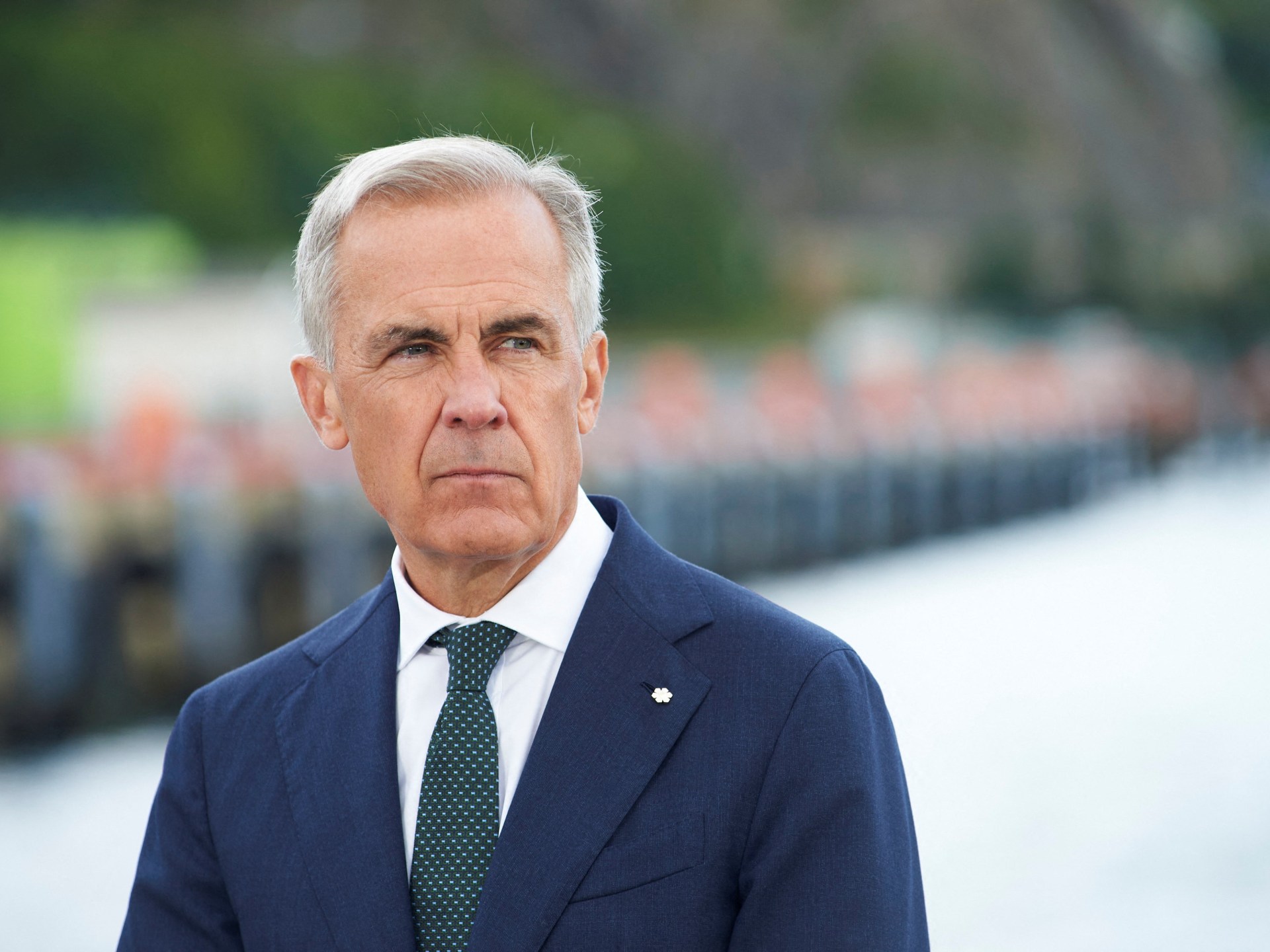
Kathmandu— Trade negotiators from Canada and the United States convened for a third consecutive day in Washington, D.C., striving to finalize an agreement before potential new American tariffs take effect Saturday; the tariffs, threatened by US President Donald Trump, could reach 50% on around $20 billion worth of Canadian imports. The negotiations aim to de-escalate eighteen months of trade tensions sparked by initial tariffs imposed in 2025 and subsequent retaliatory measures from Ottawa, though experts caution a complete removal of all existing tariffs is unlikely even with a breakthrough. While progress has been made, the deal's terms are proving difficult for the Canadian Prime Minister to sell domestically given public opposition to further concessions.
Impending Tariffs Drive Negotiations
Friday’s talks were called in response to President Trump’s threat of a 50-percent import tax on approximately $20 billion worth of Canadian goods, a deadline initially set for Wednesday but extended. The latest tariff threats stem from the US administration's claims of “discriminatory treatment of American products” by Canada. Vina Nadjibulla, co-founder and CEO of the Centre for Strategic Statecraft, noted that all indications suggest an agreement is likely before the current extension expires, or potentially another short extension into next week.
Deal Won’t Eliminate All Tariffs
Despite optimism surrounding a potential deal, experts warn it will not result in the US lifting all tariffs on Canadian goods. Nadjibulla cautioned that any agreement would more likely represent a detente in ongoing trade tensions rather than a complete resolution of tariff disputes. A possible agreement could see the top-line tariff on Canadian-built vehicles reduced to 15 percent from 25 percent, and tariffs on steel and aluminum halved to 25 percent – though some provinces like Ontario are pushing for full removal.
Domestic Political Challenges in Canada
Even if a deal is reached, Prime Minister Mark Carney may face challenges selling it to Canadians and provincial leaders, as the impact of the tariffs varies across different regions. A recent poll by Leger Opinion revealed that 56 percent of Canadians oppose making any further concessions. Premier Wab Kinew of Manitoba expressed confidence in Canada’s negotiating position, stating that Trump is “very weak” and Canada should leverage this advantage. Rachel Ziemba, a senior fellow at the Center for a New American Security, emphasized the political need for Carney to secure a favorable deal domestically while acknowledging the economic benefits extend to both countries.
US Administration Leverages Trade Disputes
The Trump administration has also used the trade disputes to appeal to its base. US Vice President JD Vance reportedly mocked Prime Minister Carney at a fundraiser, dismissing his attempts to negotiate firmly with the US and suggesting Canada ultimately concedes on many issues. A recording of Vance’s comments fueled opposition in Canada against making further concessions and reinforced calls for prioritizing Canadian national interests.
Negotiators continued discussions late into Friday evening, hoping to finalize an agreement before the Saturday deadline; however, the details of any potential deal remain uncertain as both sides navigate complex domestic political considerations.
(With inputs from Al Jazeera)
Originally published on abcnews.com.np.




प्रतिक्रिया दिनुहोस्