

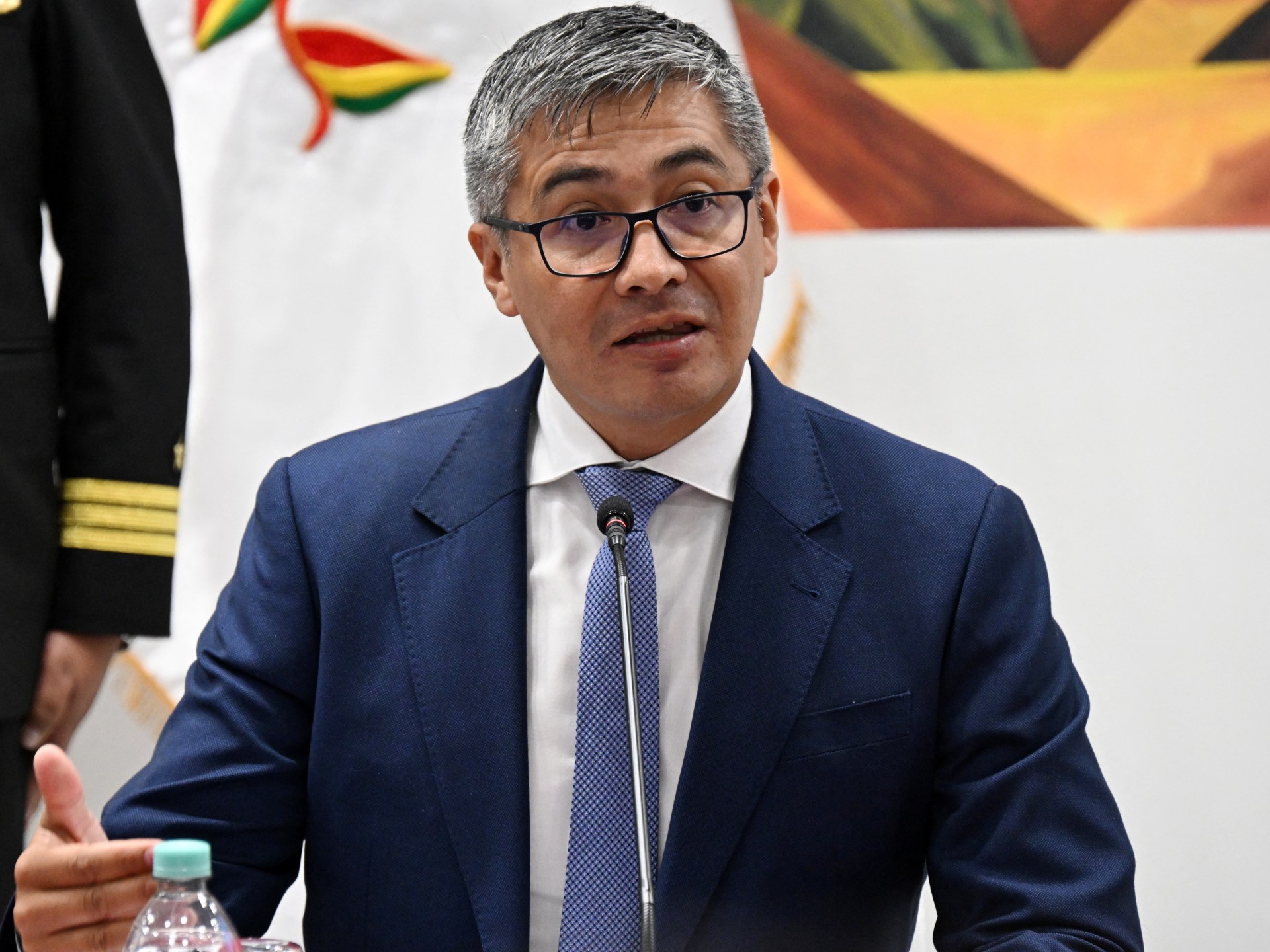
Kathmandu— Bolivian President Rodrigo Paz has dismissed Economic Minister Jose Gabriel Espinoza following a censure vote in the country's Congress, a move likely intended to appease growing public anger over Bolivia’s economic challenges. The decision, announced Friday via government decree, comes after Espinoza failed to appear before lawmakers to address concerns about the economy and marks a reversal for the Paz administration, which initially vowed to fight the censure. Bolivia has experienced years of economic and political instability, and Paz was elected last October promising to restore stability to the South American nation.
Ministerial Censure and Dismissal
The Bolivian Congress voted to censure Espinoza on Tuesday after he did not attend a legislative session to answer questions regarding the country’s economic situation. The constitution stipulates that a censure vote can lead to dismissal, which Paz initially resisted by suggesting a tribunal review the dispute. However, Friday's decree appointing Oscar Mario Justiniano Pinto as interim economy minister indicates a change in course.
Economic Challenges and Policy Reversals
Bolivia’s economic woes have been mounting for years, with declining natural gas production, mismanagement, depleted reserves, and insufficient exploration contributing to a shortfall in revenue. As of 2024, over 37 percent of the population lives below the national poverty line. Paz's administration has faced significant backlash for its attempts at economic reform; the removal of longstanding fuel subsidies last December sparked protests, while an April land reform policy ignited further unrest among rural and Indigenous voters who feared it would erode protections for small landowners. The president ultimately reversed course on the land reform in May, but widespread roadblocks, marches, and demonstrations continued through June, with some protesters demanding Paz’s resignation.
Political Opposition and Legal Issues
Paz's government continues to navigate a complex political landscape, facing opposition from supporters of former President Evo Morales. Morales has actively encouraged resistance to the administration’s austerity measures and faces arrest warrants for allegedly inciting an “armed uprising” in June, as well as a separate warrant related to statutory rape. In a recent social media post, Morales accused the government of using legal action against him to distract from what he described as a “deep economic and social crisis.”
Seeking Support for Reforms
The dismissal of Espinoza comes at a critical time for Paz, who is currently seeking congressional support for a series of economic reforms and a financing program from the International Monetary Fund (IMF). Opposition lawmaker Roland Pacheco viewed the decision as a positive step, stating that Paz was “showing a measure of humility and complying with the Constitution.”
The move to remove Espinoza may ease tensions with Congress, but significant challenges remain for the Paz administration as it attempts to address Bolivia’s economic problems and navigate ongoing political opposition.
(With inputs from Al Jazeera)
Originally published on abcnews.com.np.




प्रतिक्रिया दिनुहोस्