

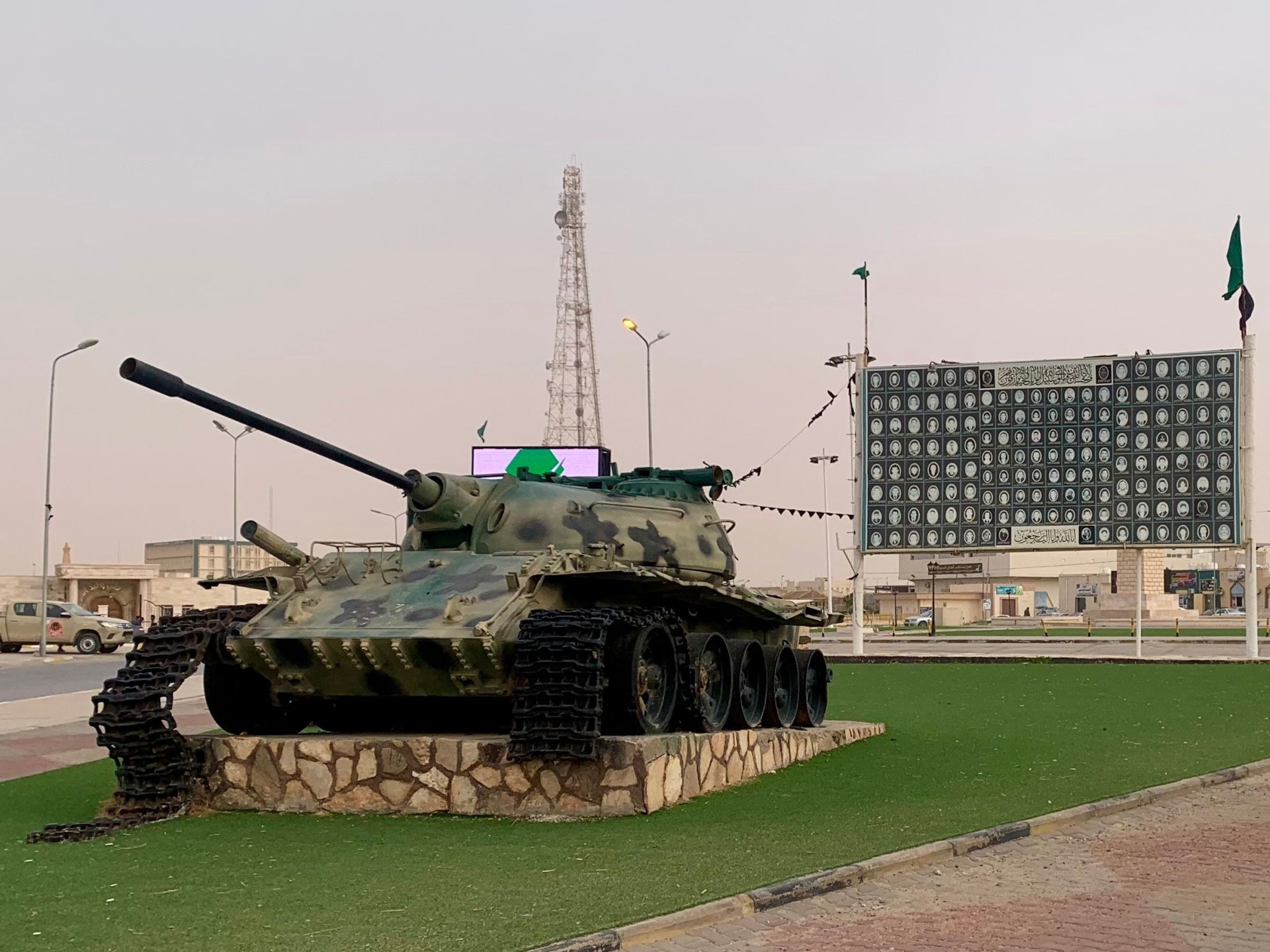
Kathmandu— Following the overthrow of Muammar Gaddafi in 2011, Libya descended into a period of conflict and division, marked by rival institutions and delayed elections. Now, fifteen years later, Libyan parties are cautiously exploring avenues for unity, most recently demonstrated by an agreement in April on a $30 billion national budget—a first in over ten years. This US-backed budget reflects both the deep divisions within Libya and a nascent willingness to cooperate between its competing authorities, offering a potential pathway out of prolonged instability.
A History of Conflict and Division
The overthrow of Gaddafi created a power vacuum that quickly led to rival institutions and recurrent conflict. In 2012, Libya held its first national election since 1964, resulting in a peaceful transfer of power—an event that remains unique in the country’s post-Gaddafi history. However, this stability was short-lived; by 2014, General Khalifa Haftar launched a campaign against armed groups, escalating tensions and leading to a parallel parliament based in Tobruk. This resulted in two competing authorities vying for control, a situation partially preserved by a 2015 UN peace deal that maintained both parliaments.
Failed Attempts at Political Resolution
Despite multiple attempts to resolve the political impasse, including a UN-backed process that installed Abdul Hamid Dbeibah as interim prime minister in 2021, progress has been hampered by disputes over election eligibility and the powers of any future government. Nearly three million Libyans registered for elections scheduled for December 2021, but they were ultimately cancelled by the country’s election chief—a decision that Dbeibah refused to accept, remaining in power despite his inability to run as a candidate. An east-based parliament has since backed a rival administration, further complicating the political landscape.
Shifting Dynamics and Emerging Cooperation
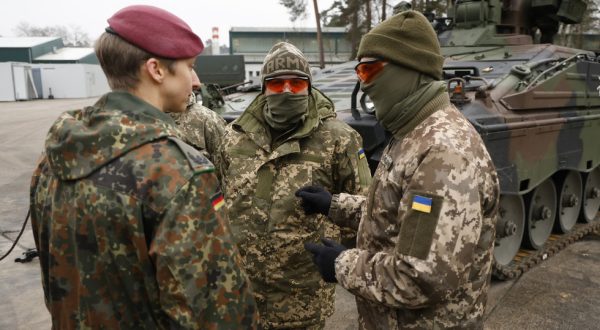
While political deliberations continue, there have been signs of emerging cooperation on the ground. In April, soldiers aligned with both eastern and western factions participated in a US-led military exercise in Sirte—the first such joint training in over a decade. This event was presided over by Saddam Haftar, son of Khalifa Haftar, and blessed by Tripoli’s deputy defence minister, Abdel Salaam Zoubi. However, internal violence within both camps persists, with recent assassinations of key militia leaders raising concerns about ongoing instability.
Economic Bargaining as a Path Forward
For years, Libya's oil exports—the mainstay of its economy—have been repeatedly disrupted by factions using blockades to exert leverage. These disruptions have resulted in significant economic losses, with the 2017-2020 blockades costing the country over $160 billion. However, a recent arrangement involving the private company Arkenu marked the first successful export of Libyan crude through cooperation between rival politicians and commanders, demonstrating a shared interest in maintaining oil revenue—a potential foundation for broader political agreement. Despite possessing Africa’s largest oil reserves, Libya currently refines very little crude domestically and relies heavily on imported refined fuel, creating economic vulnerabilities.
Ongoing Challenges and Economic Strain
Libya continues to grapple with significant economic challenges, including a plummeting dinar—which has fallen from 1.3 to the dollar in 2011 to over nine this month—and widespread blackouts that have disrupted essential services and sparked protests. The country’s institutions, initially established for a transitional period, have become entrenched as part of rival states, with revolutionaries joining security forces and interim governments exceeding their mandates. Everyday Libyans, having endured three conflicts, are increasingly weary of further instability.
While the path to lasting unity remains uncertain, the recent budget agreement and emerging cooperation on economic issues suggest a willingness among Libyan rivals to explore new avenues for resolving their differences. Whether this bargaining can extend to the sharing of political power remains to be seen.
(With inputs from Al Jazeera)
Originally published on abcnews.com.np.
प्रतिक्रिया दिनुहोस्