

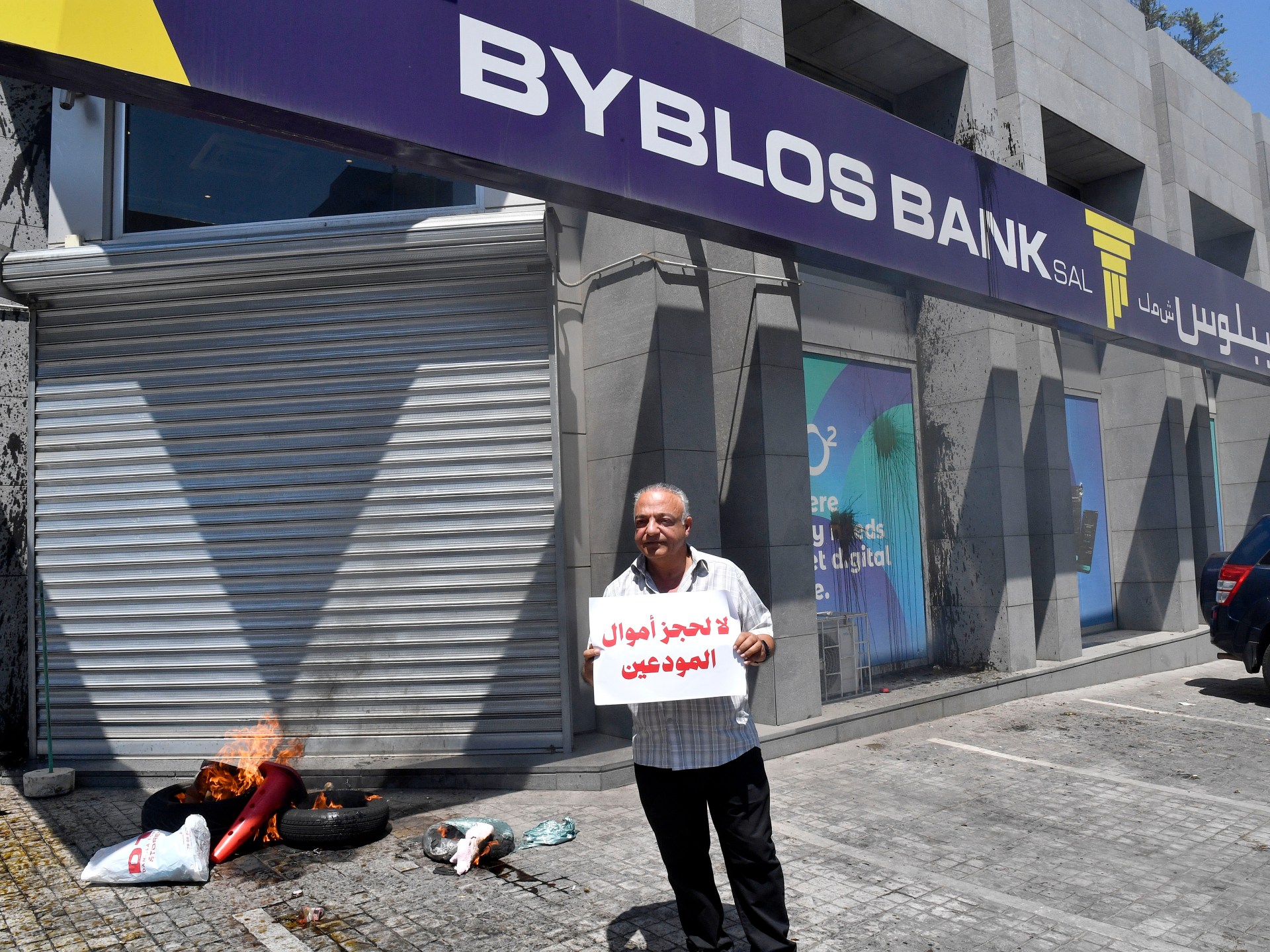
Kathmandu— Lebanon’s economy is expected to shrink by 6.4 percent in 2026 as ongoing conflict disrupts a brief period of post-crisis growth, according to the World Bank's latest economic monitor released Friday. The country had seen a 4.2 percent expansion in real GDP in 2025 – its highest since the onset of the 2019 financial collapse – but the March escalation of conflict has damaged infrastructure, displaced communities, and hampered tourism and domestic demand. Rising inflation and disrupted supply chains are further exacerbating economic pressures.
Economic Rebound Interrupted
The World Bank’s report, titled “A Conflict-Torn Economy,” detailed how Lebanon entered 2026 with positive momentum after the previous year's growth. However, this progress was abruptly halted by the recent conflict. The report specifically cited damage to housing and infrastructure, community displacement, and disruptions to supply chains as key factors contributing to the projected downturn.
Inflation and Consumer Prices Rise
Consumer prices in Lebanon are also facing renewed upward pressure, with inflation expected to reach 17.5 percent. The World Bank attributes this increase to a combination of supply disruptions, rising shipping costs, and volatile fuel prices. These factors collectively contribute to a challenging economic environment for Lebanese citizens.
Need for Banking and Fiscal Reforms
Dahlia Khalifa, World Bank division director for the Middle East department, emphasized the importance of advancing reforms to restore confidence and mobilize financing for reconstruction. She specifically highlighted banking sector restructuring and fiscal management as critical areas requiring attention. Recent parliamentary passage of amendments to the bank resolution law was seen as a positive step towards addressing these issues.
IMF Engagement Continues
The International Monetary Fund (IMF) has endorsed Lebanon’s legislative progress on financial restructuring, calling it “a very good step” aligned with international best practices. The IMF confirmed plans to resume technical meetings in Beirut next month to assess further structural policy measures as part of ongoing discussions for a formal bailout program.
Former Economy and Trade Minister Alain Hakim expressed cautious optimism, noting that Lebanon possesses the necessary elements for economic recovery once the conflict subsides, particularly from the private sector. However, he also stressed that political and security factors are crucial to achieving stability.
(With inputs from Al Jazeera)
Originally published on abcnews.com.np.

प्रतिक्रिया दिनुहोस्