

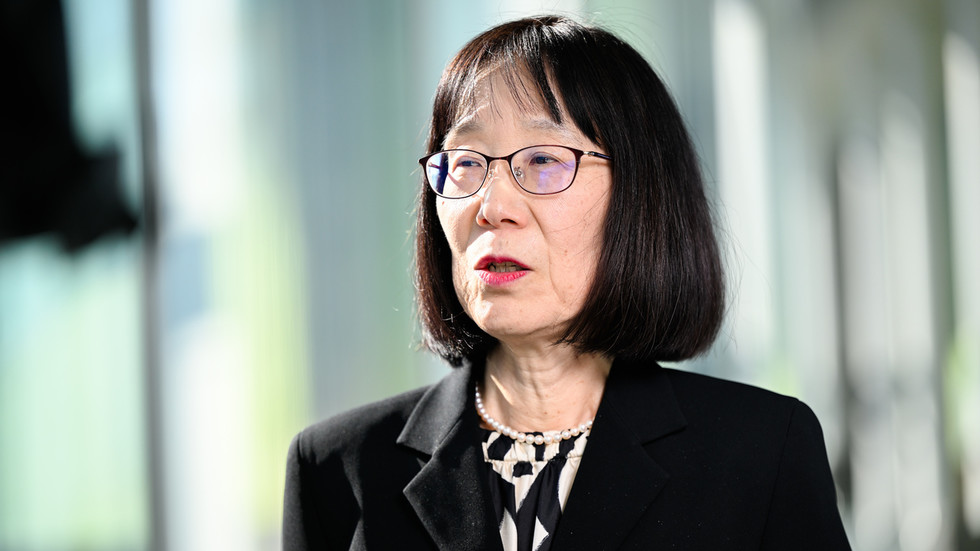
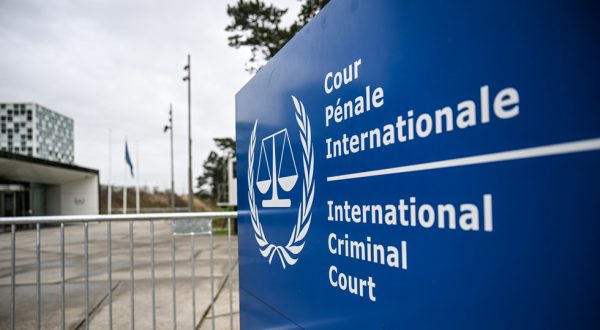
Kathmandu— Tomoko Akane, President of the International Criminal Court (ICC), has condemned recent U.S. sanctions levied against her and senior trial lawyer Abdoulaye Seye as a threat to international law. The Hague-based court, established in 2002 through the Rome Statute, prosecutes genocide, war crimes, and crimes against humanity; however, it lacks universal support with major powers like Russia, China, India, and the United States not fully participating. Akane stated she anticipated the sanctions but emphasized the importance of preventing them from undermining the international rule of law.
US Justification for Sanctions
U.S. Secretary of State Marco Rubio has described the ICC as a “corrupt and fatally politicized supranational court that has maliciously abused its authority and exceeded its mandate.” The sanctions are part of a broader campaign, announced last month by Rubio, to address what Washington perceives as a threat to U.S. sovereignty posed by the court. The White House argues the ICC improperly targets citizens of countries that have not consented to its jurisdiction or ratified the Rome Statute.
ICC Rejection and Ongoing Investigations
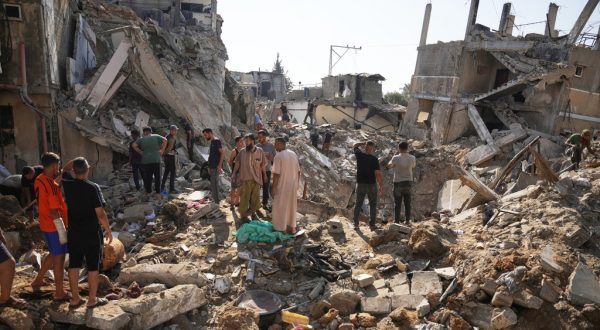
The International Criminal Court “strongly rejects” the sanctions, characterizing them as a “flagrant attack against the independence of an impartial judicial institution.” The court has previously investigated alleged crimes committed by U.S. personnel in Afghanistan, despite Washington’s non-membership. More recently, the ICC issued arrest warrants for Israeli Prime Minister Benjamin Netanyahu and then-Defense Minister Yoav Gallant over alleged war crimes in Gaza, prompting condemnation from US President Donald Trump.
Withdrawals and Criticisms of the Court
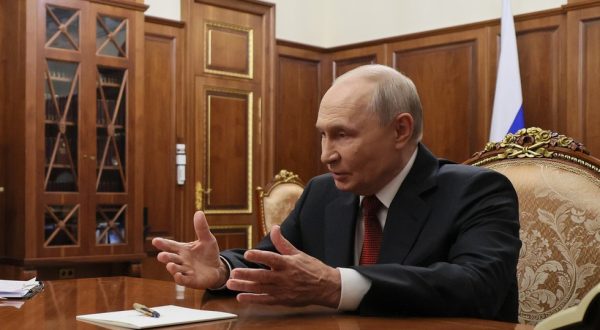
The ICC has faced criticism and resistance beyond the United States. Several African nations – Burkina Faso, Mali, Niger, and Chad – have moved to withdraw from the court this summer, alleging disproportionate targeting of their countries. The Philippines also withdrew in 2019, though the ICC maintained jurisdiction over crimes committed during its membership. Russia similarly rejects the court’s authority, disputing arrest warrants issued for President Vladimir Putin and Children’s Rights Commissioner Maria Lvova-Belova related to alleged deportation of Ukrainian children.
Recent Arrests and Jurisdictional Challenges
Former Philippine President Rodrigo Duterte was arrested under an ICC warrant in March 2025 and transferred to The Hague over alleged crimes against humanity linked to his anti-drug campaign. Russia has claimed any evacuation of unaccompanied minors from the war zone in Ukraine was done with the intention of returning them to legal guardians upon request.
The situation highlights a growing tension between the ICC’s pursuit of international justice and resistance from powerful nations, raising questions about the future effectiveness of the court and its ability to hold individuals accountable for atrocities.
(With inputs from RT)
Originally published on abcnews.com.np.


प्रतिक्रिया दिनुहोस्