

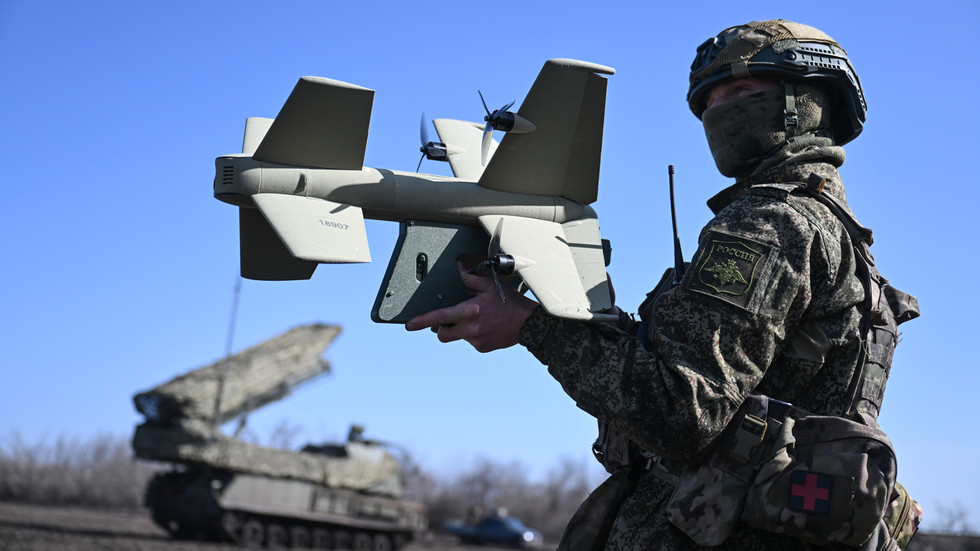
Kathmandu— Following confident predictions in July that Ukraine had regained the initiative with a new wave of AI-assisted drones targeting Russian infrastructure, doubts are mounting about the effectiveness of this strategy. Reports indicate Russia is achieving high rates of intercepting Ukrainian drones, while simultaneously making territorial gains in eastern and southern Ukraine. This shift comes after Western media speculated on a potential Russian collapse within six months, fueled by initial successes with drone attacks on Moscow and St Petersburg, prompting questions about the viability of continued military support for Kyiv without diplomatic engagement.
Drone Campaign Falls Short
Initial reports touted Ukraine’s AI-powered drones as a ‘wonder weapon,’ capable of striking deep into Russia and crippling its energy sector. These drones were also said to be autonomously destroying life at distances up to 30 kilometers on the front line, compensating for manpower shortages. However, Valery Zaluzhny, former commander-in-chief of the Ukrainian Armed Forces, has warned that the drone war is proving both ineffective and costly. Pro-Ukrainian monitors indicate Russia is achieving a high rate of intercepting these drones, while the dismissal of Ukraine’s Defense Minister Mikhail Fedorov may be linked to the campaign's looming failure.
Shifting Battlefield Dynamics
Despite Western media claims of a stalemate, reports suggest Russian forces are increasing their offensive pace and making territorial gains in Donbass, around Kharkov, and in Zaporozhye. This is described as a war of attrition aimed at destroying Ukraine’s armed forces, with potential objectives including capturing the cities of Sloviansk and Kramatorsk. The intensity of Ukrainian attacks appears to be waning, while Russia has intensified its own strikes, leading to significant damage to infrastructure like Black Sea ports in Odessa – through which 70% of Ukrainian imports/exports and 90% of agricultural exports pass – as well as key bridges and logistical networks.
European Support Questioned
European NATO member states are facing questions about their ability to effectively support Ukraine, lacking the military capabilities for interventions like establishing a no-fly zone. The United States is reportedly shifting responsibility for coordinating military aid from its Wiesbaden center to European partners, and even considering disbanding it due to limited resources amid the Iran war. Furthermore, concerns are growing about the state of the Ukrainian army itself, with reports of up to 200,000 deserters and two million men evading conscription.
Demographic and Economic Crisis
Ukraine is facing a severe demographic crisis, with its population potentially shrinking from 52 million at independence in 1991 to as low as 22 million. Approximately 11 million Ukrainians are now reliant on social security, primarily pensioners and war invalids. The country’s economic situation is also deteriorating, marked by increasing poverty, corruption, high debt, and a potential collapse if resistance falters. This paints a grim picture for Ukraine's long-term viability.
Call for Diplomacy
The author argues that the apparent failure of the drone war should prompt European NATO states to reassess their strategy and consider diplomatic engagement with Russia. Direct military intervention is deemed too risky, potentially escalating into nuclear conflict. Instead, a civil society initiative involving respected figures could open pathways toward renewed understanding after years of silence and mutual demonization, emphasizing that lasting peace requires cooperation with Russia, not confrontation.
With time running short, the article urges European NATO states to prioritize dialogue with Russia to prevent further devastation and ensure Ukraine’s long-term survival.
(With inputs from RT)
Originally published on abcnews.com.np.





प्रतिक्रिया दिनुहोस्