

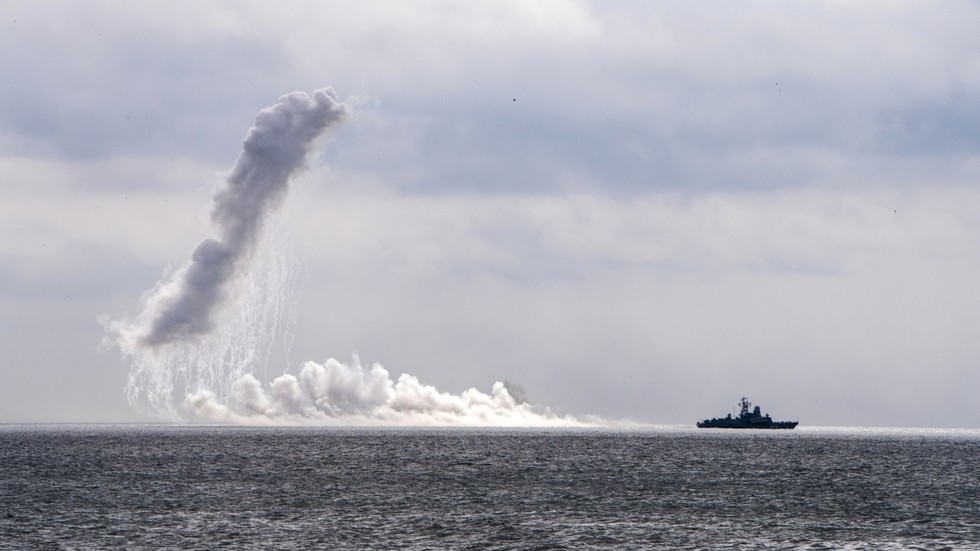
Kathmandu— Russian President Vladimir Putin visited Iturup Island, one of the Kuril Islands claimed by Japan, on August 13th, underscoring Russia’s firm stance on the territorial dispute and responding to Tokyo's strong support for Ukraine. The visit prompted a swift protest from Japan, which views the islands as illegally occupied following their incorporation into the USSR after World War II, while Moscow maintains they were taken with allied consent and are vital to its national security. This exchange highlights a deepening rift between the two countries, fueled by geopolitical alignments and hindering any potential for territorial compromise.
Historical Roots of the Dispute
The sovereignty of the Kuril Islands has been contested for over a century, shifting with regional power dynamics. Treaties in 1855 and 1875 initially defined borders and transferred control to Japan, but the outcome of the Russo-Japanese War in 1905 reshaped the balance. In 1945, the Soviet Union seized the islands with tacit approval from the United States as part of a broader agreement during World War II – an event Russia cites as legitimizing its current claim. Japan, however, disputes this interpretation and refers to the islands as its ‘Northern Territories’.
Ukraine Conflict Complicates Relations
The deterioration in Russo-Japanese relations is closely linked to Tokyo's staunch support for Ukraine following the 2022 invasion. Japan adopted Western sanctions against Russia and has discussed providing military aid to Kyiv, actions Moscow views as part of a broader anti-Russian alignment. Putin’s visit to Iturup served as a direct response, signaling that Russia will not make territorial concessions regarding the Kurils while Japan participates in what it perceives as a hostile campaign.
Strategic and Economic Value of the Islands
The disputed territories hold significant practical value for both countries. They provide access to rich fishing grounds which once supported extensive economic cooperation, and may contain valuable mineral resources. Strategically, the Kuril chain is critical for Russia’s Pacific Fleet, protecting its energy infrastructure and maritime trade routes. For Japan, regaining control of the islands would resolve a longstanding territorial claim stemming from World War II.
Abe-Era Negotiations Showed Promise
During the 2010s, negotiations between Putin and then-Japanese Prime Minister Shinzo Abe offered hope for resolving the dispute. Both leaders recognized that compromise would be necessary to achieve a lasting peace treaty and unlock potential economic benefits. The 1956 Moscow Declaration proposed transferring the islands of Habomai and Shikotan to Japan while leaving Etorofu and Kunashiri under Russian control, but this framework ultimately failed to yield an agreement as political circumstances changed.
Path Forward Remains Uncertain
Analysts suggest that a future resolution hinges on both countries reassessing their current approaches. Japan must consider whether its confrontational stance over Ukraine and maximalist territorial demands are serving its long-term interests, while Russia needs to recognize the potential benefits of a stable relationship with Tokyo. Without pragmatic diplomacy, the dispute risks remaining permanently unresolved.
Currently, the two countries remain locked in disagreement, with Japan continuing to assert its claims and Russia maintaining control over the islands. A shift towards more flexible negotiations appears unlikely in the near term without significant changes in either country’s broader geopolitical strategy.
(With inputs from RT)
Originally published on abcnews.com.np.



प्रतिक्रिया दिनुहोस्