

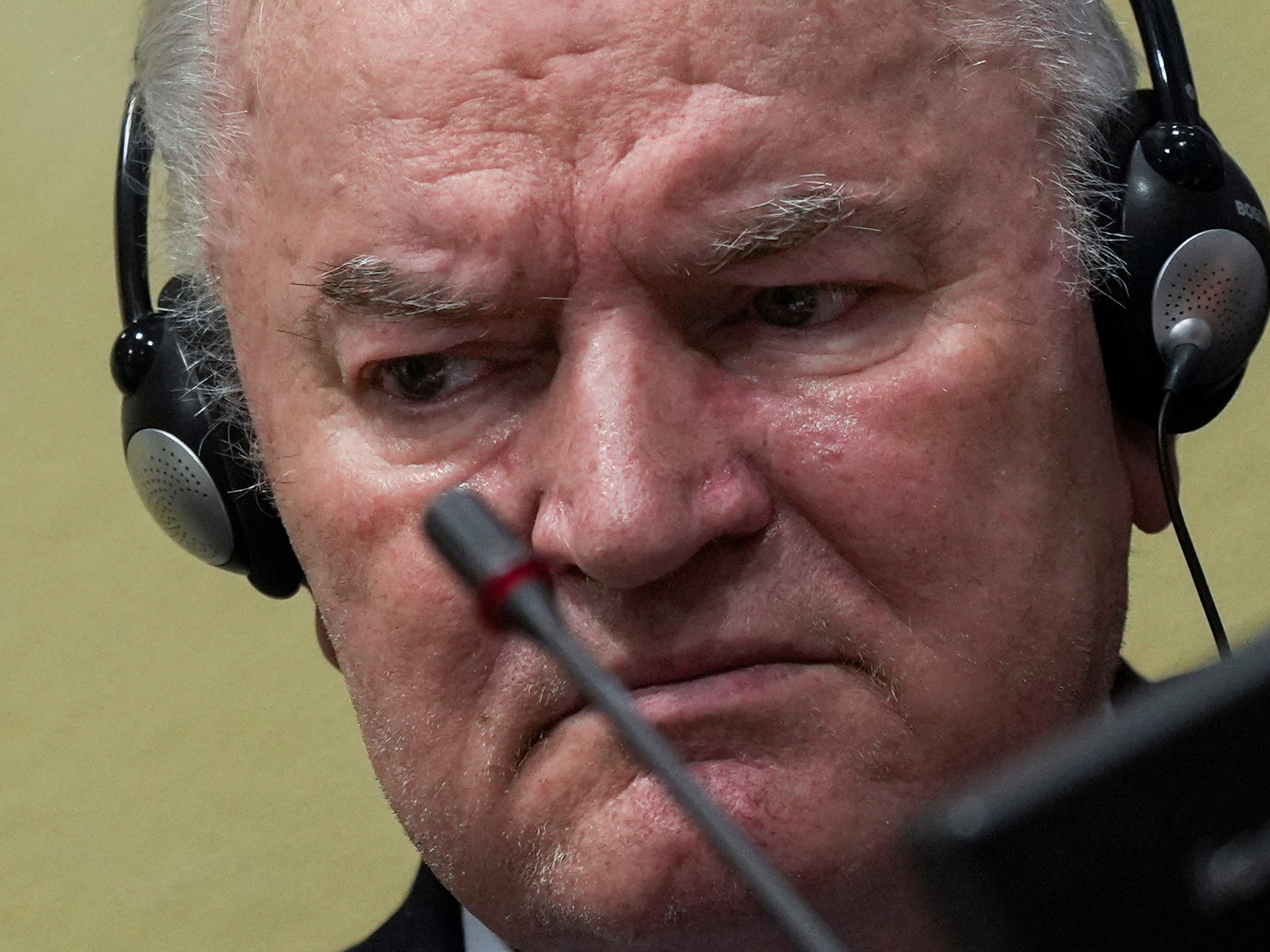
Kathmandu— Ratko Mladic, a Bosnian Serb militia leader convicted of genocide stemming from the first such act on European soil since World War II, has died in prison in The Hague at the age of 84. Known as the “Butcher of Bosnia,” Mladic commanded forces responsible for the Srebrenica massacre in July 1995, where over 8,000 Bosniak men and boys were killed after UN-declared safe area was seized by Bosnian Serb troops. He was sentenced to life imprisonment in 2017 by the International Criminal Tribunal for the former Yugoslavia following his arrest in Serbia in 2011 after years evading justice.
A Military Career Marked By Conflict
Mladic began his military career in the Yugoslav People’s army, steadily rising through its ranks. When Bosnia and Herzegovina declared independence from Yugoslavia in 1992, he was appointed commander of the army of Republika Srpska, a newly formed Bosnian Serb entity seeking to secede. Over the next three years, Mladic led forces aiming to seize territory within Bosnia and Herzegovina, including Sarajevo, resulting in widespread devastation but ultimately failing to achieve major territorial gains.
The Siege Of Sarajevo And Campaign Of Terror
Under Mladic’s direction, Sarajevo endured a nearly 44-month siege by Bosnian Serb forces. From positions surrounding the city, they relentlessly shelled civilian areas and deployed snipers against residents. More than 11,500 people were killed during the siege, with countless others wounded or displaced. International courts also found Mladic responsible for a broader campaign of terror against civilians throughout Bosnia and Herzegovina, including hostage-taking of UN peacekeepers.
The Srebrenica Genocide
The most infamous aspect of Mladic’s criminal legacy is the genocide in Srebrenica. In July 1995, Bosnian Serb forces under his command seized the municipality, which had been designated a “safe area” by the UN. Following the takeover, over 8,000 Bosniak men and boys were systematically murdered. Some victims were executed after capture, while others perished attempting to flee through forests towards territory controlled by the army of Bosnia and Herzegovina. The remains of around 1,000 victims remain missing even today.
Arrest And International Justice
After the war ended in 1995, Mladic evaded arrest for nearly sixteen years, becoming one of Europe’s most wanted fugitives. He was finally apprehended in Serbia in May 2011 and transferred to The Hague to stand trial before the International Criminal Tribunal for the former Yugoslavia. His capture fulfilled a key requirement set by the international community for Serbia's advancement towards closer ties with the European Union, following years of political and financial pressure on Belgrade.
Lingering Support And Denial
Despite his convictions, Mladic continues to have support among segments of the Serbian public and within certain political circles in both Serbia and Bosnia and Herzegovina. Murals depicting him as a military hero can still be found in cities like Banja Luka and Belgrade. This persistent glorification of a convicted war criminal underscores deeper issues surrounding the legacy of the Bosnian War, including denial of the Srebrenica genocide which has seen an increase in reported cases – 149 recorded during the first quarter of 2026 compared to 99 in 2025.
The UN General Assembly recently adopted a resolution establishing July 11 as the International Day of Reflection and Commemoration of the 1995 Genocide in Srebrenica, aiming to preserve the memory of the victims and prevent similar atrocities from occurring in the future.
(With inputs from Al Jazeera)
Originally published on abcnews.com.np.




प्रतिक्रिया दिनुहोस्