

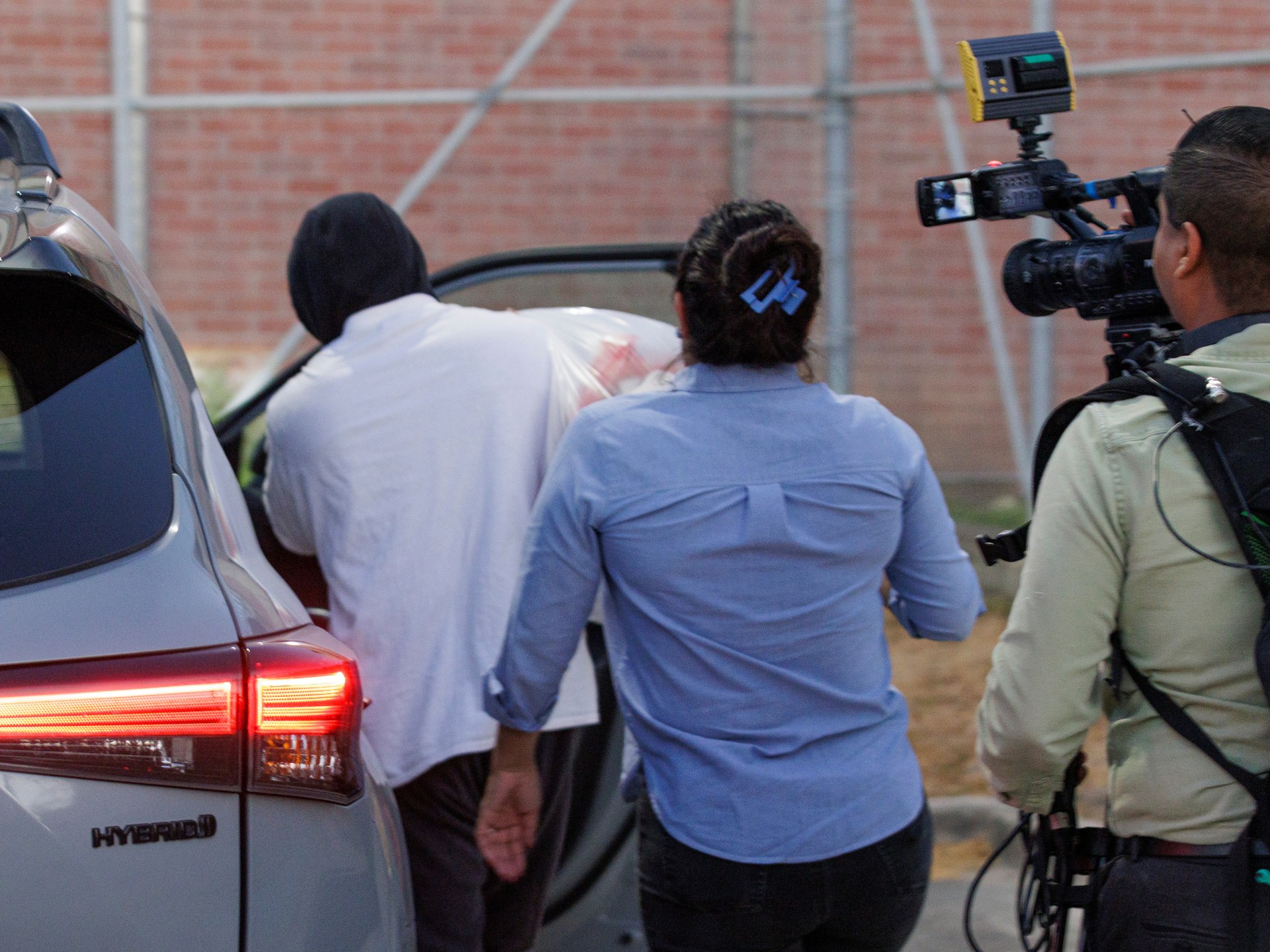
Kathmandu— Former Immigration and Customs Enforcement (ICE) agent Christian Castro was released from a jail in Texas on Thursday following a dispute over his extradition back to Minnesota, where he is accused of shooting a man and making false statements during an immigration enforcement operation. Castro had been detained since May on charges related to the January 14th nonfatal shooting of Julio Cesar Sosa-Celis, but a 90-day holding limit under Texas law required his release when Governor Greg Abbott refused to authorize his transfer. The case has become entangled with political considerations surrounding former President Donald Trump’s immigration policies and allegations of fraud in Minnesota's social service programs.
Extradition Delay and Release
Castro was initially detained in Texas on May 29th after a nationwide warrant for his arrest was issued by Minnesota authorities. However, under Texas law, individuals subject to extradition requests can only be held for up to 90 days without being transferred to the requesting state. That deadline expired on Thursday, leading to Castro’s release from the Carrizales-Rucker Cameron County Detention Center near Brownsville, Texas.
Political Interference Allegations
The delay in extradition stems from a refusal by Texas Governor Greg Abbott to sign the necessary warrant. Lawyers for the state of Texas stated that Abbott is awaiting the outcome of an internal investigation into whether Castro was legally considered a “fugitive.” Abbott also cited ongoing investigations into alleged fraud within Minnesota’s social service programs, echoing justifications previously made by Trump for his immigration crackdown in the state. Minnesota Attorney General Keith Ellison has accused Abbott of unlawfully obstructing federal extradition procedures to support Trump's deportation efforts and filed both a lawsuit and a request for a temporary restraining order to prevent Castro’s release.
Concerns Over Flight Risk
Minnesota officials have expressed concerns that Castro may attempt to flee the United States if released. Their fears are based on recorded jailhouse phone calls in which Castro discussed marrying a woman in Mexico and purchasing a home there upon his release. While District Judge Fernando Rodriguez Jr acknowledged this possibility, he determined that the threat of flight alone was insufficient grounds for intervention.
Background: Immigration Operation
The shooting occurred during an immigration sweep carried out as part of a broader deportation effort under the Trump administration. Prosecutors allege Castro falsely accused Sosa-Celis and another individual of assaulting an ICE officer with a broom handle and snow shovel. The operation, which began in December, involved a large deployment of federal agents to Minnesota and sparked protests and accusations of civil liberties violations. Two US citizens were killed by federal agents during the three-month operation.
Ellison indicated that legal proceedings will continue despite Castro’s release, though specific future actions remain unspecified. The situation highlights tensions between state and federal authorities regarding immigration enforcement and extradition processes.
(With inputs from Al Jazeera)
Originally published on abcnews.com.np.

प्रतिक्रिया दिनुहोस्