

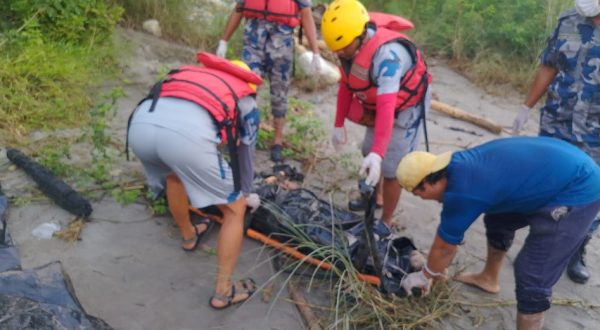
Kathmandu— A sudden flash flood triggered by a surge of water and debris from rivers originating in Tibet swept through the Timure customs border point between Nepal and China yesterday, impacting settlements across Rasuwa, Nuwakot, Dhading, and extending to Chitwan. The event, occurring without any recorded rainfall on either side of the border, caused significant damage to infrastructure and communities downstream along the Narayani basin. Authorities are assessing losses, but experts emphasize the incident reveals critical flaws in communication protocols and early warning procedures between Nepal and China regarding glacial lake outburst floods (GLOFs) and landslide dam breaches.
Unusual Origins Of The Flood
The destructive surge originated entirely from high-altitude areas within Tibet, carrying a heavy load of sediment despite the absence of local rainfall. This indicated a likely GLOF or breach of a landslide dam – events common in glacial regions but difficult to monitor continuously due to the remote and rugged terrain. The rapid cascade downstream overwhelmed infrastructure and settlements, demonstrating the vulnerability of communities reliant on rivers originating across international borders.
Existing Protocols Prove Insufficient
While Nepal and China have established Memorandums of Understanding (MoUs) regarding water resource cooperation and data sharing, these agreements rely heavily on manual communication and diplomatic channels. Traditional methods, including phone calls between border officials, proved too slow to provide adequate warning for downstream populations and protect critical infrastructure from the high-velocity flood. The incident underscores that relying on conventional approaches during acute hydrological emergencies is no longer sustainable.
International Models For Effective Management
Successful management of shared river basins globally relies on advanced technology, mutual trust, and legally binding frameworks. Examples like the Rhine River Basin in Europe feature integrated notification mechanisms with automated warnings triggered by even subtle water-level fluctuations. Similarly, the Mekong River Commission facilitates data exchange among member nations while engaging with upstream China. The United Nations Watercourses Convention of 1997 also establishes a legal obligation for upstream states to provide prior notification of potential hazards.
Technological Solutions For Real-Time Monitoring
Modern technologies such as Artificial Intelligence (AI), satellite remote sensing, and the Internet of Things (IoT) offer unprecedented capabilities for disaster risk reduction. Earth observation satellites can monitor glacial lakes in near-real-time, detecting changes that indicate potential failures. Installing automated water-level telemetry sensors upstream could trigger cross-border alerts when critical thresholds are exceeded, providing vital lead time for evacuation and infrastructure protection. Such systems could broadcast emergency SMS Alerts directly to residents’ mobile phones.
Nepal's Role In Regional Disaster Governance
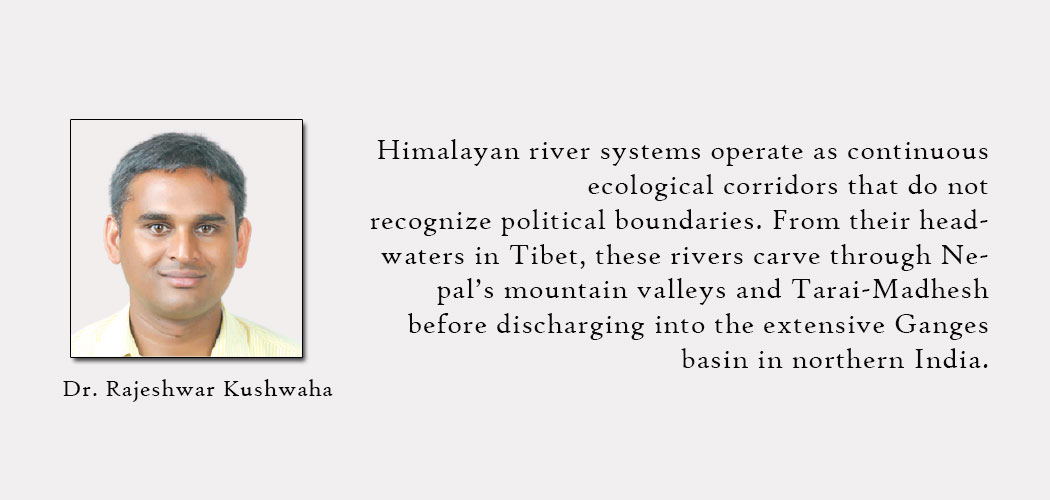
As the immediate downstream recipient of these hazards, Nepal faces disproportionate risk. The author argues that Nepal must take decisive initiative in establishing a robust transboundary disaster governance system, recognizing that Himalayan river systems operate as continuous ecological corridors extending beyond political boundaries and impacting India as well.
The Government of Nepal is now urged to prioritize long-term institutionalized Transboundary Disaster Governance, leveraging technology and international best practices to mitigate future risks and protect vulnerable communities.
(With inputs from RN)
Originally published on abcnews.com.np.



प्रतिक्रिया दिनुहोस्