

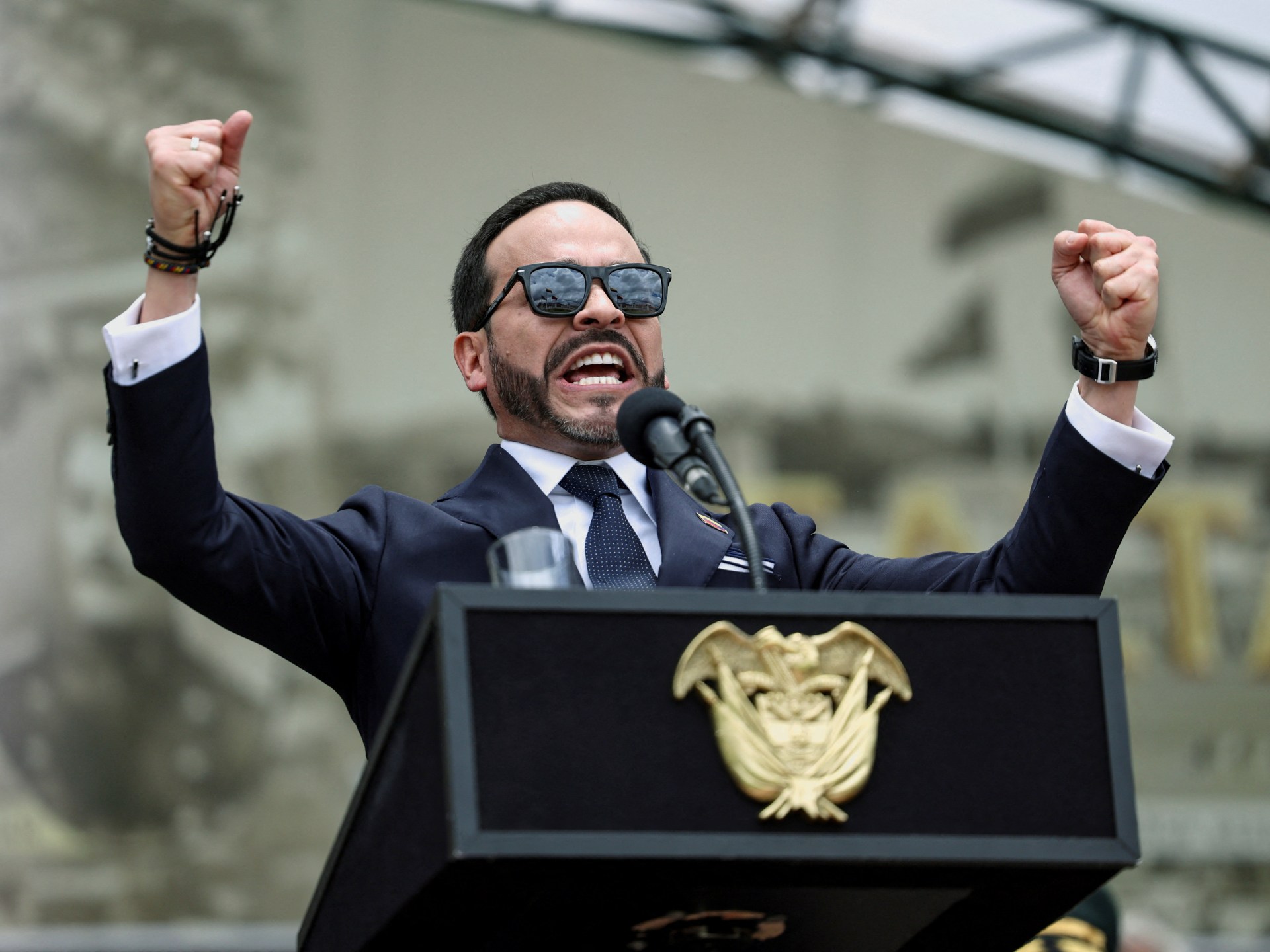
Kathmandu— Colombian President Abelardo de la Espriella announced a plan this week to begin deporting foreign nationals living in the country without authorization, less than a month after assuming office. The crackdown, unveiled during a security council meeting on Sunday, is expected to primarily affect Venezuelan migrants – of whom nearly 2.8 million reside in Colombia, making it the largest such community globally. De la Espriella framed the policy as a political decision and vowed to target both those committing crimes and those without regularised status, marking a significant departure from previous administrations’ approaches to migration. Opposition leaders have condemned the move as xenophobic and discriminatory, while migrant advocacy groups express fears for the safety of those deported back to Venezuela.
Policy Shift Sparks Immediate Condemnation
The announcement has drawn sharp criticism from opposition politicians in Colombia. Leftist Senator Ivan Cepeda accused de la Espriella of adding “xenophobia” to what he described as authoritarian and discriminatory policies, writing on X (formerly Twitter) that the president was failing to protect Colombian citizens facing deportation from the United States while simultaneously targeting migrants within Colombia’s borders. Historic Pact congresswoman Maria del Mar Pizarro questioned whether the campaign was motivated by genuine security concerns or simply populist rhetoric, stating in an interview with Al Jazeera that persecuting individuals for their immigration status is “populism, not security.”
Venezuela's Migrant Population Most Affected
Approximately 95 percent of Colombia’s migrant population are Venezuelan nationals, according to the Organisation for Economic Co-operation and Development (OECD). While nearly two million Venezuelans have been granted Temporary Protection Permits (PPT), an estimated 500,000 lack legal permission to remain in Colombia. Many had permits that have since expired. Experts and advocates warn that deporting these individuals could expose them to political persecution and dire economic conditions in Venezuela, where the country has faced years of crisis and repression. Juan Carlos Viloria Doria, vice president of Venezuelans in Barranquilla, a migrant advocacy organisation, stressed that “We must not confuse irregular immigration status with criminality.”
Concerns Over Implementation and Effectiveness
Pizarro also raised concerns about the practicalities of enforcing the deportation policy given Colombia’s 2,200-kilometre border with Venezuela. She argued that without improved border control, legalisation pathways, and intelligence gathering targeting criminal gangs, deported Venezuelans are likely to simply return. Ronald Rodriguez, a spokesperson at the Venezuela Observatory, noted that de la Espriella's policies represent a break from years of Colombian government policy favouring migrant integration. He expressed hope that the president would reconsider his approach.
Migrants Share Fears and Experiences
Ronald Vergara, founder of Fundacion Hermanos Caminantes, an NGO supporting recently arrived migrants, described the potential deportation campaign as “truly inhumane.” Having himself experienced difficulties obtaining legal status despite residing in Colombia for a decade, Vergara highlighted the challenges faced by migrants seeking to navigate the system. He noted that many struggle to find decent work without proper documentation and face bureaucratic hurdles in maintaining their legal status.
The full details of de la Espriella’s deportation platform remain unclear, but experts suggest there is still a possibility he may reconsider his approach given the long-standing tradition of migrant integration within Colombian policy.
(With inputs from Al Jazeera)
Originally published on abcnews.com.np.


प्रतिक्रिया दिनुहोस्