

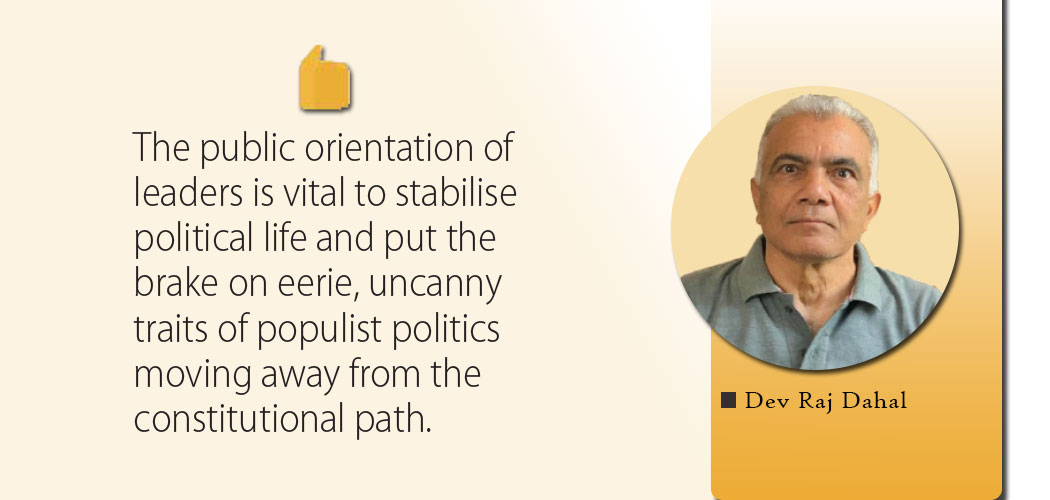
Kathmandu— Nepal is experiencing a period of intense political volatility marked by the emergence of “uncanny populism,” characterized by the manipulation of digital media, radical mobilization, and erosion of trust in established institutions. Following protests led by Generation Z, the country has seen significant shifts in power – most notably a strong showing for the Rastriya Swatantra Party (RSP) in parliamentary elections – but these changes have also exposed deep-seated divisions within Nepali society and raised concerns about the future of its democratic framework. This new political climate is fueled by widespread frustration with traditional leaders, economic hardship, and the spread of disinformation through digital platforms.
The Rise of Uncanny Politics
Nepali politics has long lacked a consistent course toward national goals, but recent events have revealed an unsettling trend where even experienced analysts are surprised by the speed and intensity of political shifts. This “uncanny” populism relies on manipulating political communication through digital platforms, deepfakes, and media imagery, blurring the lines between democratic ideals and harmful narratives. The result is widespread mental unease and a weakening of the social capital that binds Nepali communities together.
Key Traits of Populist Mobilization
This form of populism operates by first highlighting dissatisfaction with current living conditions, then presenting an idealized vision for the future to galvanize followers into protest. It fosters doubt about existing governance structures, portraying them as unrepresentative and non-functional, while simultaneously provoking a strong reaction from the establishment. Crucially, it leverages digital platforms and artificial intelligence to challenge established narratives and erode trust in traditional sources of information. The visual fabrication of negative images of older leaders on social media inflamed public frustration during recent protests, contributing to widespread chaos and violence.
Post-Election Realignment
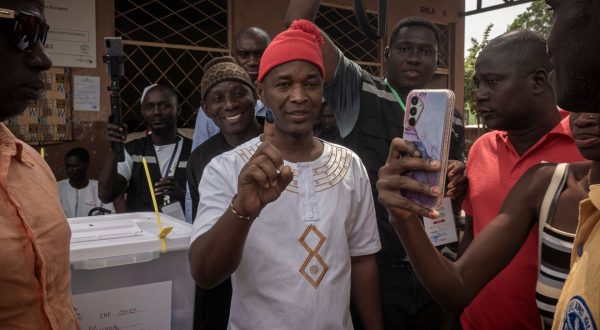
The recent parliamentary elections saw a significant victory for the Rastriya Swatantra Party (RSP), securing nearly two-thirds of the seats. However, this shift has not altered Nepal’s constitution or its core institutions, despite overturning the political base of older parties. While the RSP has attempted to position itself as a middle ground between Nepali Congress and more left-leaning factions, it faces challenges in maintaining unity within its ranks and navigating conflicting ideologies. Voices from Madhesi legislators are also growing louder, potentially unraveling efforts to build national unity.
Addressing Systemic Issues
To stabilize the nation, new leadership must draw on Nepal’s enlightenment ideals and cultivate shared national values. The academic community and media have a vital role in contextualizing information from the internet and countering disinformation. Furthermore, addressing material needs – poverty alleviation, employment, and freedom for innovation – is essential to building a more inclusive and stable society. This requires a shift in organizational culture across political parties, businesses, and civil society, with a focus on harnessing artificial intelligence for cybersecurity, productivity, and job creation.
The future of Nepali politics hinges on the ability of its leaders to address systemic issues, foster national unity, and navigate the challenges posed by digital disinformation. Prime Minister Balendra Shah’s recent reversal of neo-liberal policies signals a potential shift towards social democracy, but maintaining this course will require careful balancing of competing interests and ideologies.
(With inputs from RN)
Originally published on abcnews.com.np.
प्रतिक्रिया दिनुहोस्