

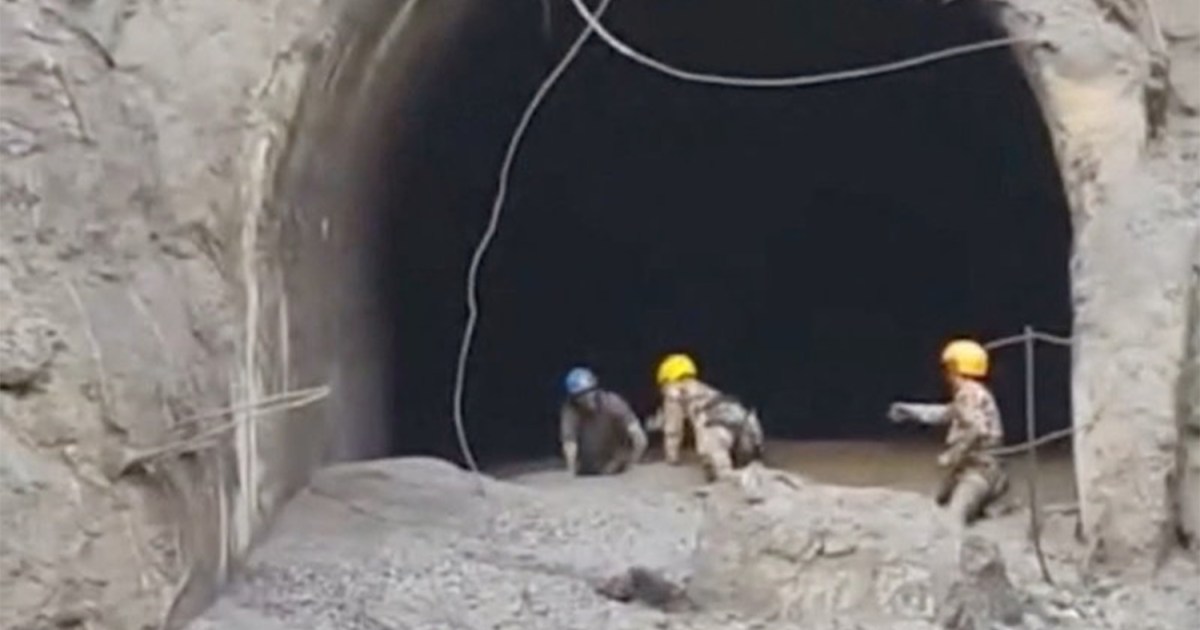
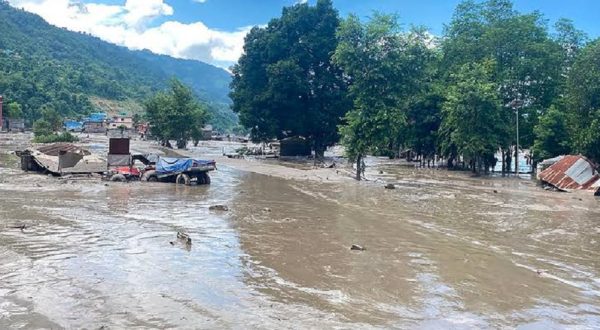
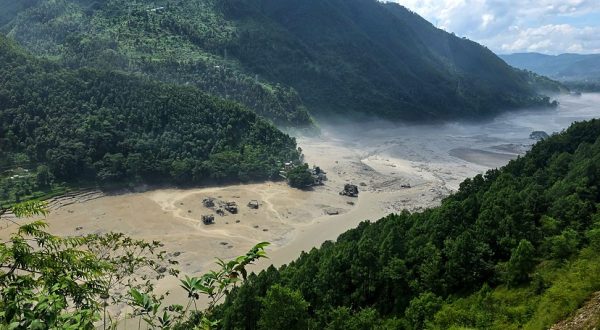
Kathmandu— Nepali army teams have resumed drilling into tunnels at multiple hydroelectric facilities in an attempt to reach over 100 workers feared trapped following devastating flash floods that occurred on Wednesday, impacting the Rasuwa, Nuwakot and Dhading districts of Nepal. The floods were triggered by a glacial collapse near the border with Tibet, sending a surge of water and debris down riverbeds, raising some rivers by as much as nine meters in just half an hour. Rescue efforts had been hampered by continued rainfall and rising waters, but have now recommenced as conditions improve.
Glacier Collapse and Initial Impact
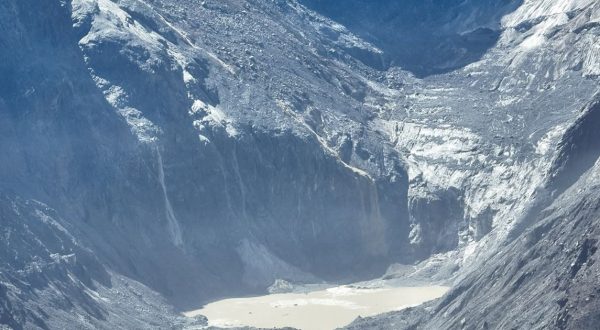
The catastrophe began when a portion of a glacier at approximately 5,200 metres (17,060 feet) in the Himalayas collapsed, falling roughly 1,200 metres and gathering rock and debris as it descended. This surge then slammed into the Lende River, causing widespread devastation downstream. The US Geological Survey initially investigated whether an earthquake had triggered the event but later determined that the seismic signal originated from the landslide itself.
Rescue Operations Underway
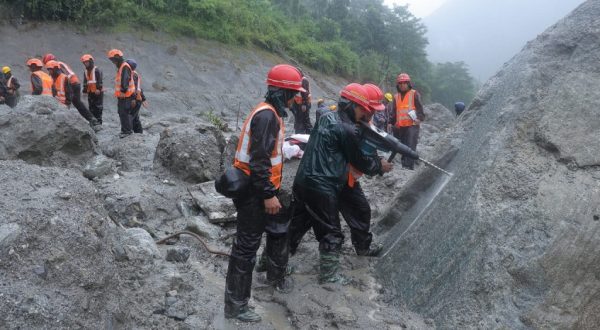
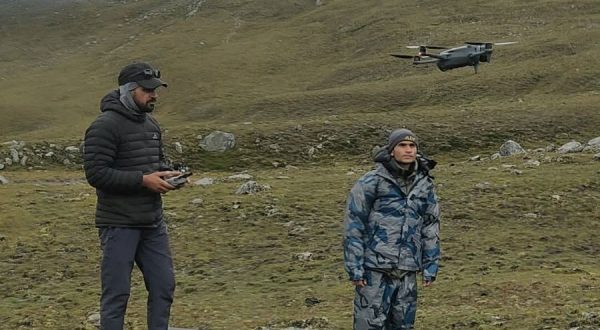
At the Trishuli 3A site in Rasuwa District on Saturday evening, rescue teams successfully broke through into a mud-swamped tunnel using drills and began pumping air and deploying a camera. However, overnight rain caused water to fill the excavated area, temporarily halting progress. The Nepal Army confirmed that with receding floodwaters, efforts have resumed utilizing drilling machines, excavators, hydraulic cutters, and other equipment. Al Jazeera’s Minelle Fernandez reported from Kathmandu that the government has requested specialist assistance from India and China to address gaps in their rescue capabilities.
Widespread Devastation and Missing Persons
As of Sunday, Nepal’s National Disaster Management Authority had recovered 734 bodies. At least 2,498 people remain missing on the Nepalese side of the border, including 933 hydropower workers. Chinese authorities report 16 deaths in Tibet with 546 people still unaccounted for, among whom are 261 foreigners from 23 countries. In Dhading district, Al Jazeera’s Jessica Washington reported that floodwaters had destroyed many homes, leaving only foundations behind and rendering those remaining in a state of disrepair.
International Aid Pledged
International aid has begun to arrive from various sources including the United Nations, the Red Cross Federation, Australia, India, South Korea, and the United States. The US and Canada have each pledged $3.6 million in humanitarian assistance, while the UK has offered $6.8 million. The UN released $2.5 million in emergency funding, and the European Union committed $2.3 million. The International Federation of Red Cross and Red Crescent Societies (IFRC) allocated over $1 million and launched an appeal for $31 million.
Authorities have not yet transitioned to the second phase of relief operations – humanitarian assistance and road reopening – due to challenging terrain and limited resources, with Nepal’s finance minister estimating total losses from the disaster at more than $4 billion.
(With inputs from Al Jazeera)
Originally published on abcnews.com.np.
प्रतिक्रिया दिनुहोस्