

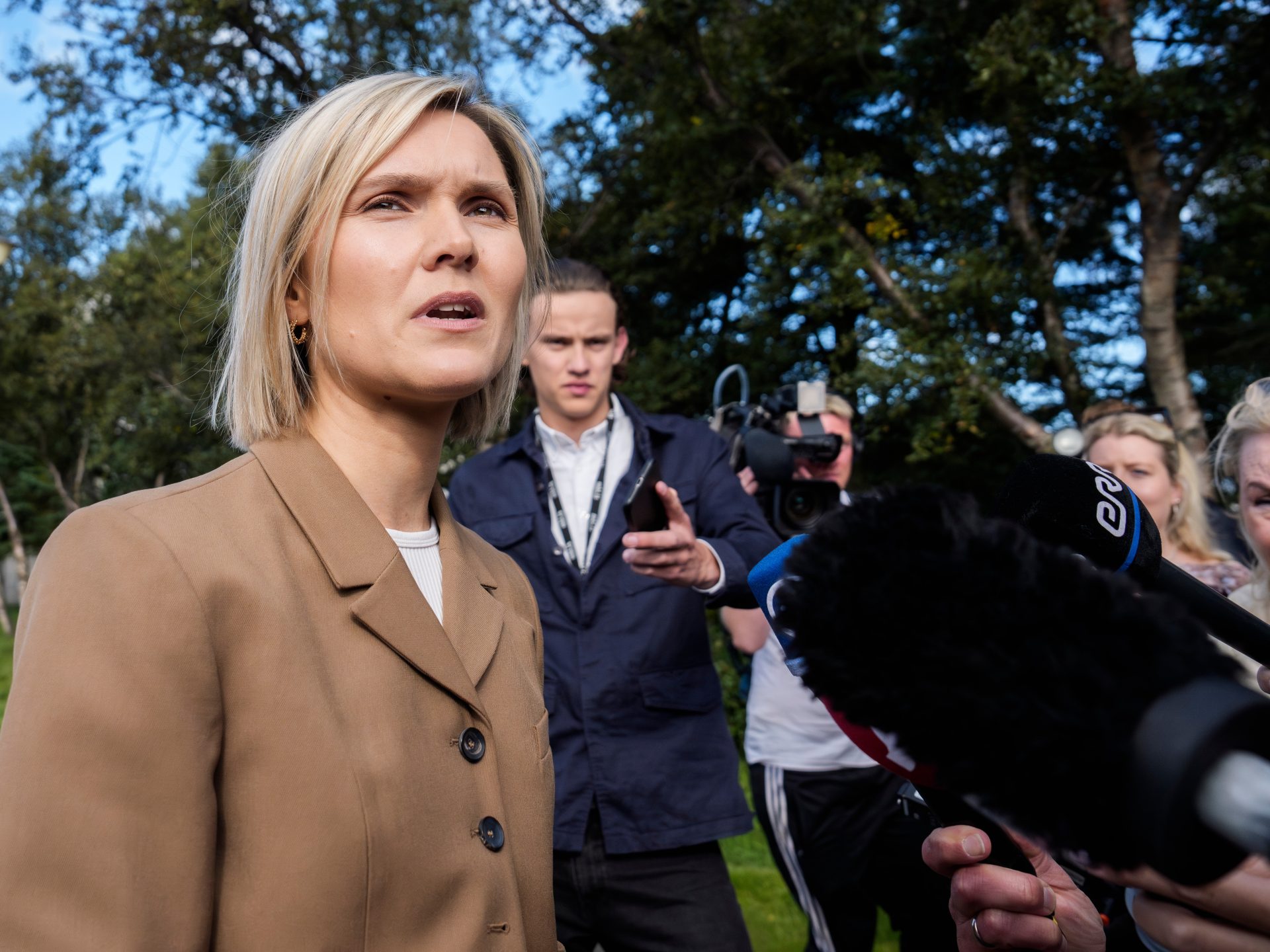
Kathmandu— Voters in Iceland have rejected a proposal to resume negotiations for potential membership in the European Union, marking a setback for the government’s efforts to strengthen ties with the bloc. With nearly all votes tallied, the ‘no’ side led by 52.5 percent to 47.5 percent according to national broadcaster RUV. The referendum did not concern full EU membership itself, but rather whether Iceland should restart accession talks that were paused over a decade ago, prompted by concerns about economic pressures and Arctic security.
Vote Outcome And Government Response
The final results of the referendum showed a clear victory for the ‘no’ side with 52.5 percent opposing the resumption of negotiations, compared to 47.5 percent in favor. While the result is nonbinding, Prime Minister Kristrun Frostadottir has pledged to respect the will of the voters. The outcome represents a significant challenge for her coalition government, which had framed the referendum as a crucial moment for Iceland’s relationship with the EU.
Key Arguments In The Debate
The debate surrounding potential EU membership largely focused on economic factors, fishing rights, and cost of living concerns. Opponents argued that joining the bloc would jeopardize Iceland's vital fishing industry, a cornerstone of its economy. Gudrun Hafsteinsdottir, opposition leader and proponent of the ‘no’ vote, asserted that “These are not problems that Brussels will solve for us. These are problems that Icelandic politicians must solve.” Supporters countered that EU membership could help address high inflation and interest rates currently impacting Iceland, with some suggesting adopting the euro would provide economic stability.
Iceland's Existing Ties To Europe
Despite this rejection of renewed accession talks, Iceland already maintains close economic ties with the European Union. As a member of the European Economic Area (EEA) and the Schengen free-travel zone, Iceland benefits from access to the EU’s single market without being a full member state. This existing framework allows for trade and movement between Iceland and the EU, even outside formal membership.
Geopolitical Factors And Referendum Trigger
The push for a referendum was accelerated by geopolitical developments, particularly surrounding Arctic security. The country's left-leaning coalition government, elected in 2024, moved up its planned vote after US President Donald Trump repeatedly misidentified Iceland while discussing policy towards Greenland. This prompted the government to argue that closer ties with Europe could bolster Iceland’s defense and strengthen its position amidst growing regional tensions.
It is unlikely that Iceland will resume EU accession negotiations during the current term of the governing coalition, which extends until 2028. The government is also expected to consider whether to formally withdraw Iceland's existing application for EU membership.
(With inputs from Al Jazeera)
Originally published on abcnews.com.np.


प्रतिक्रिया दिनुहोस्