

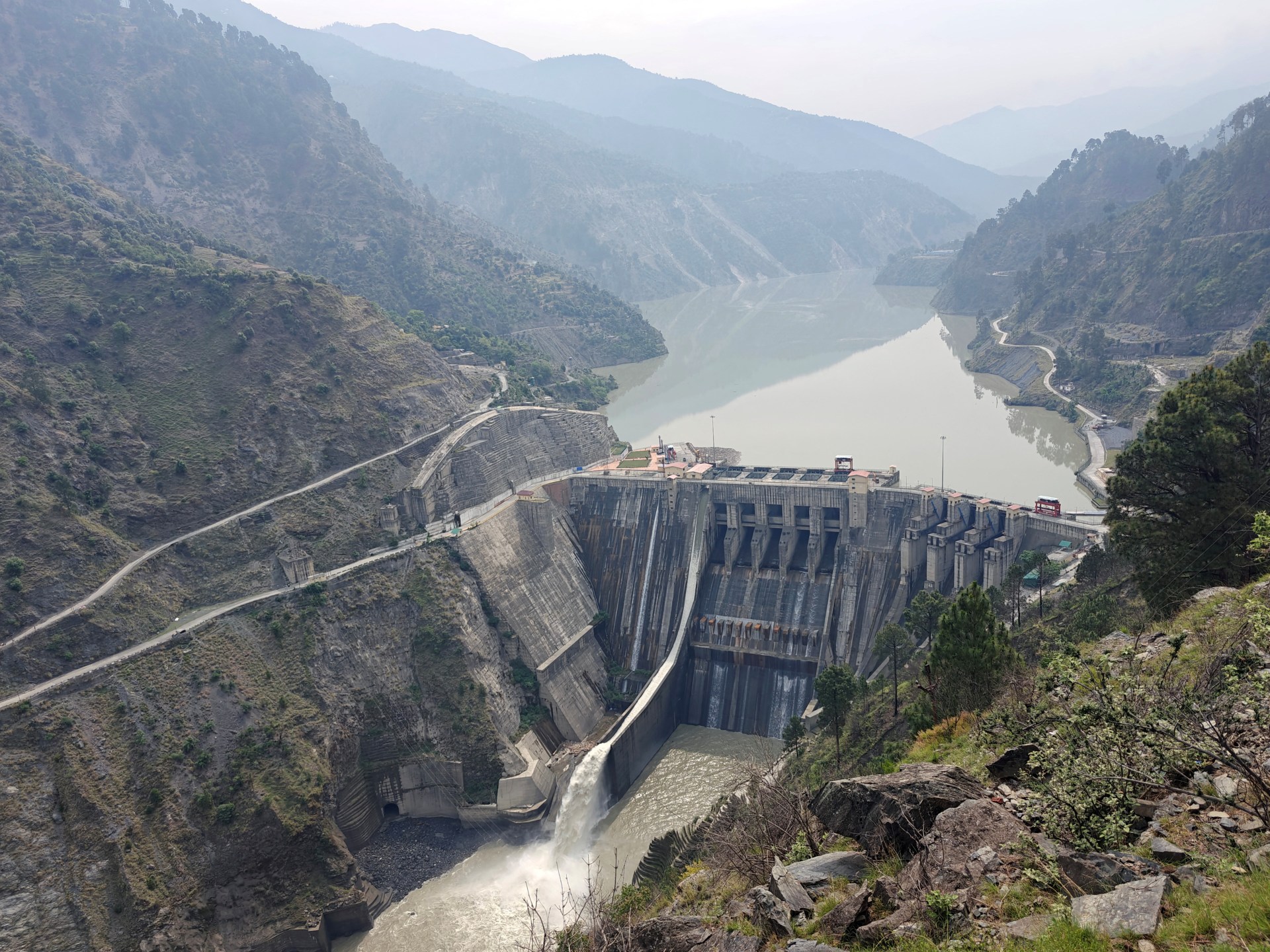
Kathmandu— In a significant legal victory for Pakistan, the Permanent Court of Arbitration (PCA) in The Hague has ruled that India cannot unilaterally suspend the Indus Waters Treaty. The unanimous decision issued on Monday found that the treaty 'remains fully in force' and that India must observe its obligations under it, including those governing hydropower projects on rivers flowing into Pakistan. However, India has rejected the ruling, leaving questions about its implementation.
Court's Ruling
The PCA ruled against every argument presented by India to justify placing the treaty 'in abeyance' since April 2025. The court found that no rule of international law allows a state to unilaterally suspend a treaty on grounds of sovereignty or other reasons cited by India. Pakistan's Deputy Prime Minister and Foreign Minister Ishaq Dar welcomed the ruling, stating that it decisively rejects India’s unlawful attempt to place the treaty in abeyance.
India's Rejection
Despite the PCA's decision, India has rejected the ruling. In a statement, India’s Ministry of External Affairs called the court 'illegally constituted' and maintained that the treaty remains suspended until Pakistan ends support for cross-border attacks, a charge Islamabad denies. This rejection leaves the legal and diplomatic victory for Pakistan with uncertain practical implications.
Legal Implications
While the ruling strengthens Pakistan’s position legally, it offers no formal enforcement mechanism to compel India's compliance. Legal experts like Ahmer Bilal Soofi argue that this judgment provides a clear legal basis for Pakistan to consider countermeasures under international law if necessary. However, without a UN Security Council order or similar enforcement mechanism, the practical impact remains limited.
Existential Threats
Pakistani officials and military leaders have framed the dispute in existential terms. Prime Minister Shehbaz Sharif warned that any threat to Pakistan’s water would result in a 'crushing response.' However, hydrology expert Hassan Abbas argues that while the treaty is important, an immediate existential threat from India's actions on water flow does not currently exist due to geographical protections and limited Indian storage capacity.
(With inputs from Al Jazeera)
Originally published on abcnews.com.np.




प्रतिक्रिया दिनुहोस्