

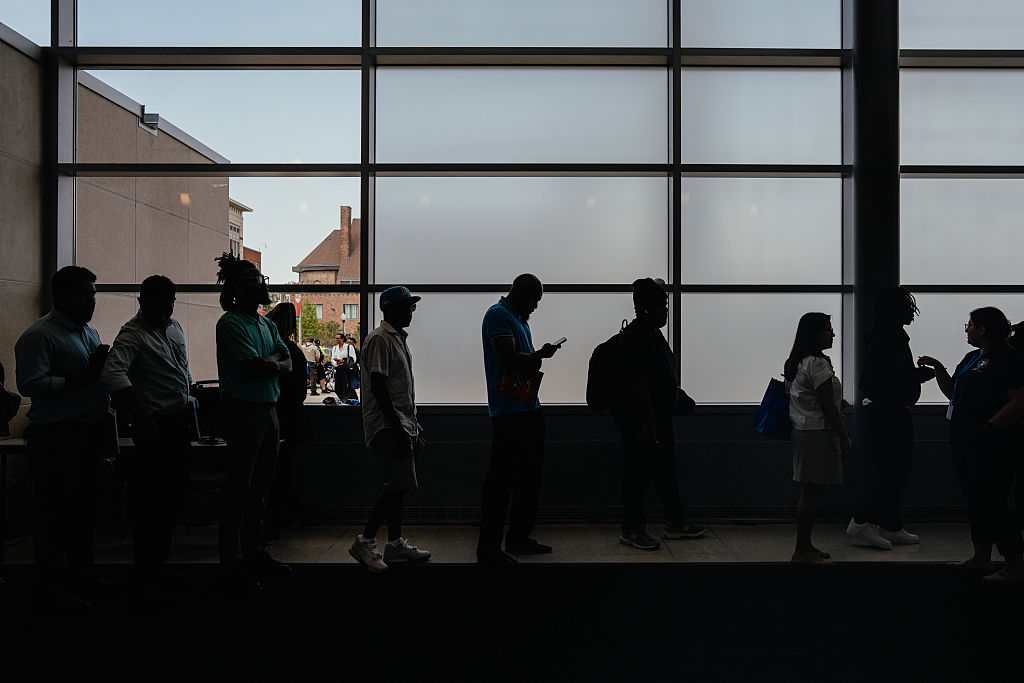
Kathmandu— Under capitalism, being unemployed is usually a hardship and can be financially devastating. However, this experience varies significantly between countries with strong welfare systems and those without. In Norway, for example, where cultural anthropologist Nina Witoszek has conducted extensive research since 2010, unemployment does not carry the same stigma or financial burden as it does in the United States.
Cultural Differences in Unemployment
In Norway, the term 'loser' (taper) often lacks the negative connotation of individual moral failure that is common in American English. The Norwegian word can describe someone who has been wronged or violated through no fault of their own. This cultural difference extends to how unemployment is perceived and managed.
Welfare Regimes
The concept of welfare regimes, as defined by Danish sociologist Gøsta Esping-Andersen, refers to institutional arrangements where state activities are interlinked with market roles in social provision. In liberal welfare regimes like those found in the Anglo-American world, public benefits were minimal and viewed negatively. Social democratic regimes, such as those in Nordic countries, use high-quality public goods and services to reduce dependence on the market for well-being.
Experiences of Unemployment
In Norway, unemployment benefits can provide up to 62.4 percent of previous annual salary for two years, along with additional cash transfers like child benefits. Health care is universal and education is free from daycare through university, reducing financial burdens on the unemployed. In contrast, Americans often face significant financial hardships when losing a job.
(With inputs from Jacobin)
Originally published on abcnews.com.np.



प्रतिक्रिया दिनुहोस्