

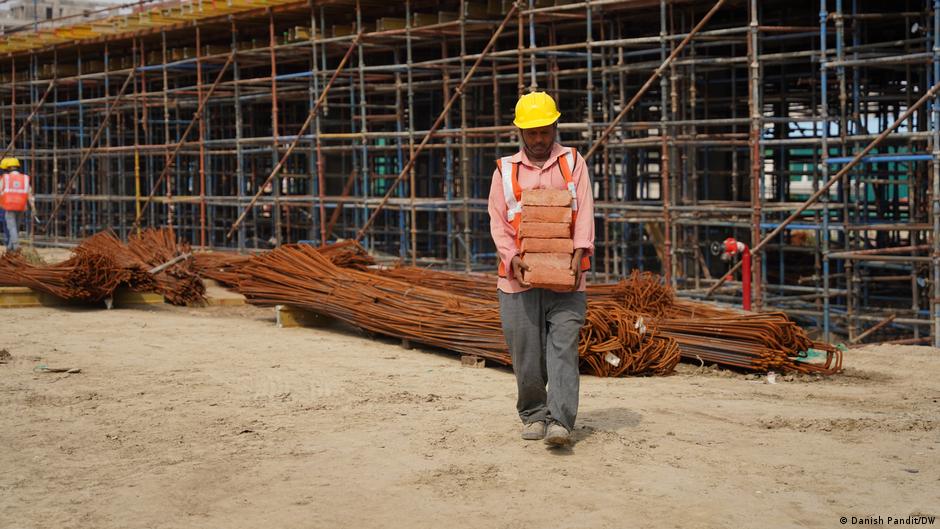
Kathmandu— Brijpal Singh works long hours in the scorching sun on construction sites in Noida, India. Despite daily wages as low as $6, missing work due to extreme heat is not an option for him or millions like him who support families with meager earnings. Rising temperatures are straining workers' health and productivity across Asia's informal economy.
Health Risks Mount in the Heat
The past decade has seen India experience its warmest years on record, leading to more frequent and intense heat waves. For informal workers like Brijpal Singh, these conditions pose severe health risks. Extreme temperatures are linked to respiratory illnesses, gastrointestinal issues, stroke, and kidney disease.
Ameena Kidwai, lead researcher at People's Courage International, noted that rising temperatures could cost India’s informal economy the equivalent of 2% of its GDP annually, or nearly $80 billion. Workers must now put in longer hours to complete tasks previously done in eight hours, exacerbating health issues and increasing medical expenses.
Urban Heat Exacerbates Living Conditions
Many informal workers live in densely packed urban areas with poor ventilation and heat-absorbing concrete. Patricia Samantha Narvaez of IDEALS described these neighborhoods as 'concrete jungles' where temperatures remain high even at night, making it difficult for workers to recover from the day's heat.
Brijpal Singh returns home to a single room in Noida with poor ventilation and frequent power cuts during hot months. Similarly, Aida Tano, who worked in a garment factory in Quezon City, Philippines, faced soaring temperatures exacerbated by machinery and lack of air conditioning.
Women Bear the Brunt
The economic impacts of climate change disproportionately affect women, particularly those in informal economies. Women often combine paid work with unpaid caregiving responsibilities, making them more vulnerable during heat waves.
Shanti Devi, a daily wage laborer in Noida, has been her family's sole breadwinner since her husband was injured at work. During extreme heat, she must balance caring for her children and managing household duties while trying to earn a living.
(With inputs from DW)
Originally published on abcnews.com.np.

प्रतिक्रिया दिनुहोस्