

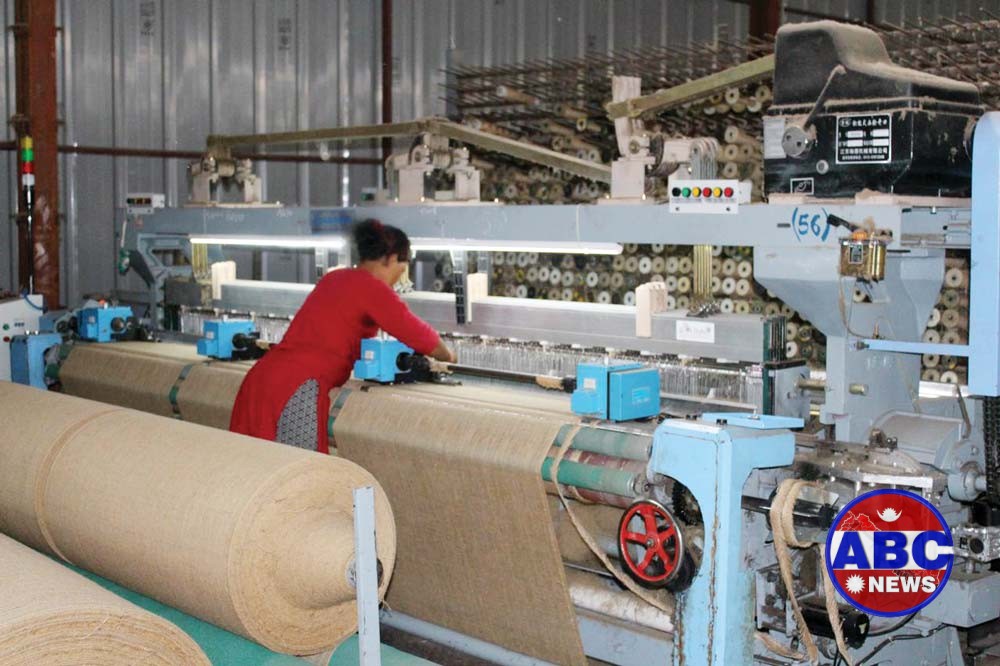
Kathmandu— Once a major exporter of jute to India and Bangladesh, Nepal has seen a dramatic shift in its jute trade dynamics. In fiscal year 2082/83 BS, raw jute imports through Kakarbhitta customs point reached Rs 4.91 billion, marking a significant increase from the previous year's Rs 4.34 billion. This reversal is attributed to rising production costs and low market prices for jute products.
Shift in Trade Dynamics
The import of raw jute has become a critical component of Nepal’s trade balance, with the commodity now ranking third after petrol and diesel at the Kakarbhitta customs point. Shivaram Neupane, chief of the Mechi Customs Office, highlighted this shift, noting that the country's reliance on imports is growing as local production wanes.
Historically, districts such as Jhapa, Morang, and Sunsari were significant producers and exporters of jute since the early 1980s. However, due to escalating costs in cultivation coupled with low market prices for jute products, farmers have increasingly turned to other crops like paddy that offer better returns.
Impact on Local Farmers
Sagar Bista, chief of the Agriculture Knowledge Centre in Jhapa, explained that jute cultivation has been limited to around 5,000 hectares of land. "Jute production has declined sharply over the past few years due to rising cultivation costs and limited income from jute farming," he said. This shift underscores a broader trend where farmers are opting for more profitable crops.
(With inputs from Rising Nepal)
Originally published on abcnews.com.np.






प्रतिक्रिया दिनुहोस्