

Kathmandu— Intern doctor Dilli Harijan has been on a hunger strike since Tuesday, demanding remuneration and respect for intern doctors' labor. Despite four months of discussions with various government bodies, no concrete decisions have been made to address his demands.
Government's Response
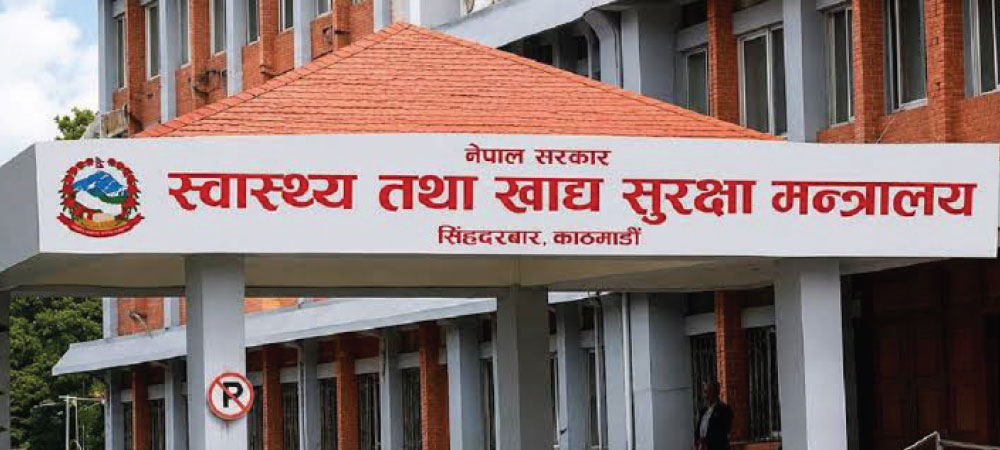
The Ministry of Health and Food Safety has expressed its commitment to addressing the concerns raised by Dr. Harijan and other health professionals. President Dr. Badri Rijal urged the government to immediately address these demands, emphasizing that an intern doctor should not have to resort to such extreme measures.
Dr. Bikash Devkota, secretary at the Ministry of Health, stated that the government is always open to dialogue and committed to addressing genuine concerns. However, some officials argue that a series of protests in the health sector are due to the government's low priority given to these issues.
Historical Context
The current situation follows a pattern of hunger strikes by healthcare workers over the past few months. Nurse Jyoti Ranabhat ended her six-day hunger strike with a 19-point agreement, while renowned physician Dr. Govinda KC concluded his own protest with a seven-point agreement.
These protests have raised questions about whether such extreme measures are necessary to address demands in the health sector.
Broader Implications
Pawan Thapa, an activist and member of Dr. Govinda KC’s negotiation team, argued that the government must avoid repeating past mistakes by failing to implement previous agreements. He warned that if these issues are not comprehensively addressed, it could lead to further disillusionment among health workers and the public.
Health Minister Nisha Mehta expressed concern over the hunger strike of Jyoti Ranabhat but acknowledged the broader challenges facing the sector.
(With inputs from Rising Nepal)
Originally published on abcnews.com.np.





प्रतिक्रिया दिनुहोस्