

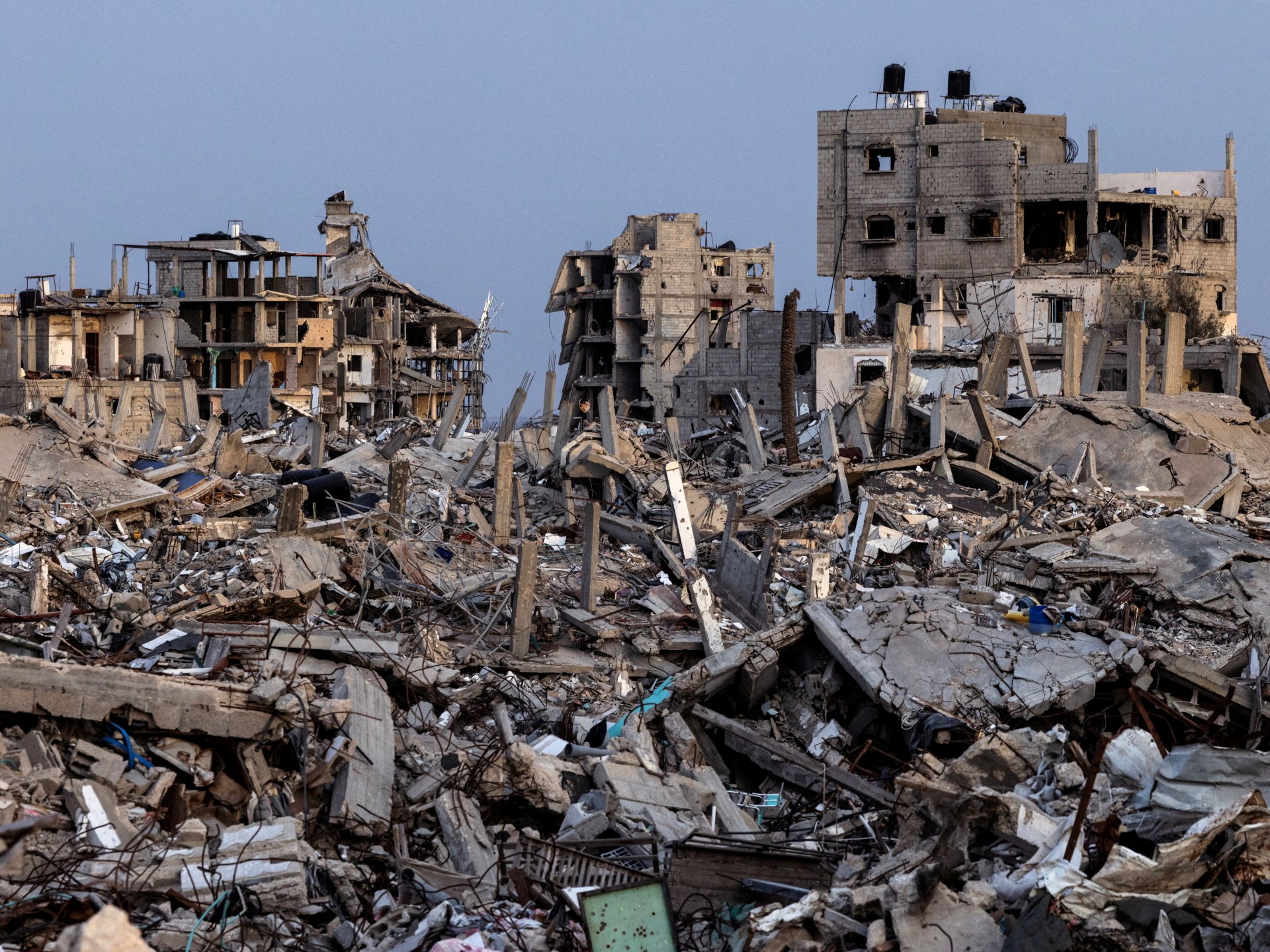
Kathmandu— Israel has begun infrastructure work in eastern Rafah, a designated area of southern Gaza, as part of a post-war vision dubbed “Green Rafah” that experts say is designed to permanently fragment the enclave and exert greater control over its population. Backed by Prime Minister Benjamin Netanyahu and Defence Minister Israel Katz, the Emirati-backed pilot project aims to establish temporary housing near the unilaterally imposed “Yellow Line,” while Palestinian laborers face intense security screenings. The move comes as political negotiations stall and Israel rejects a US-led plan for Gaza’s future, raising fears of forced displacement and the erosion of Palestinian national aspirations.
Project Details and Israeli Objectives
The ‘Green Rafah’ project focuses on installing water, sewage, and electrical infrastructure in eastern Rafah. Israeli media reports that the Prime Minister’s Office frames it as a temporary housing solution independent of Hamas influence. However, analysts warn this is part of a broader strategy to isolate Palestinian communities and establish administrative zones under full Israeli control. Ahmed al-Atawneh, a Palestinian political researcher, argued that Israel offers Palestinians only three choices: “Either they fully submit to Israeli policies, face death or imprisonment if they resist, or emigrate.”
Stalled Reconstruction and Ceasefire Violations
Experts point out that the project violates agreements made under last year’s Sharm el-Sheikh ceasefire deal, which mandated the entry of temporary housing and repair of civilian infrastructure. Mohammad Hamed al-Aila, a Palestinian researcher, noted that Israel has not adhered to these obligations despite ten months passing since the agreement was signed. The ban on mobile homes and delays in reconstruction are seen as deliberate tactics to perpetuate the humanitarian crisis and pressure Palestinians towards migration. Al-Aila stated, “Preventing the entry of caravans and postponing any serious reconstruction track cannot be separated from the broader Israeli goal of perpetuating the humanitarian catastrophe.”
Political Maneuvering and International Force Concerns
Netanyahu’s rejection of the US-led 15-point plan for Gaza, which called for Hamas disarmament and phased Israeli withdrawal, further complicates the situation. Al-Atawneh suggests Netanyahu is using these delays to bolster his position ahead of October elections while pursuing long-term goals of demographic engineering. Simultaneously, preparations are underway for a limited International Stabilization Force (ISF), with countries like Morocco and Uganda potentially sending small contingents – far short of initial plans. The mandate of the ISF remains contentious, with Palestinians seeking a protective force and Israel wanting one to disarm resistance groups.
Call for Palestinian Unity
Experts emphasize that robust Palestinian unity is crucial to counter what they describe as engineered fragmentation. Al-Atawneh stressed the need for a unified Palestinian administration, national consensus government, and rebuilt political institutions based on partnership. However, he expressed frustration with the current Palestinian leadership, stating, “Unfortunately, there appears to be no decision, will, or capability from the official political leadership – namely the Palestinian Authority and the PLO.” He added that they continue to ignore attempts to unify the Palestinian front.
The future of Gaza remains uncertain as Israel advances its plans for administrative control and reconstruction efforts stall. The success of any long-term solution will likely depend on addressing the concerns of all parties involved and fostering genuine political negotiations.
(With inputs from Al Jazeera)
Originally published on abcnews.com.np.


प्रतिक्रिया दिनुहोस्