

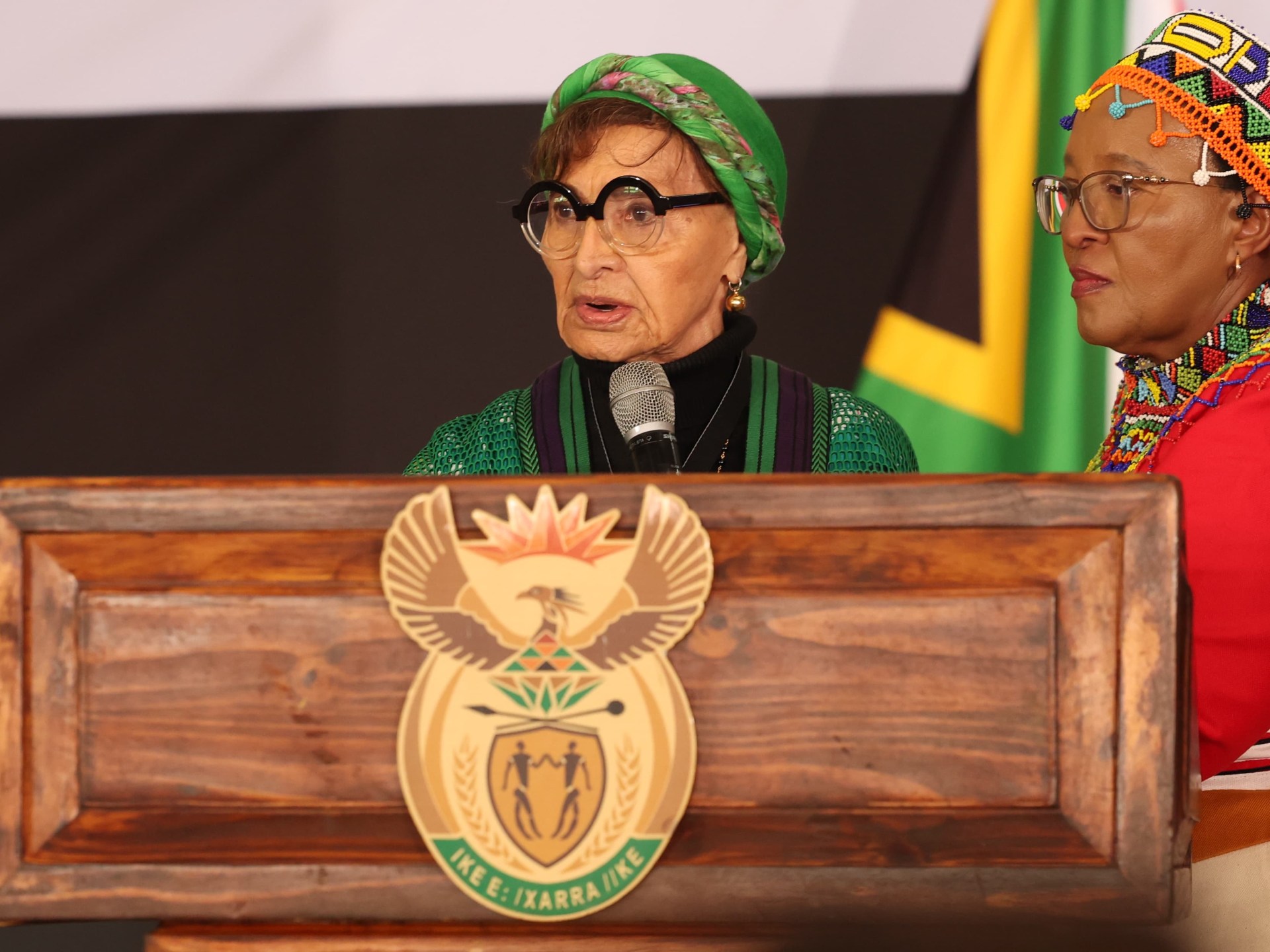
Kathmandu— In 1956, approximately 20,000 women marched to the Union Buildings in Pretoria to protest the extension of apartheid’s pass laws to Black women. Led by activists like Sophie Williams-de Bruyn, then just 18 years old, the march became a defining moment in South Africa's liberation struggle and is now commemorated annually as National Women’s Day. While apartheid has ended and South Africa boasts a constitution guaranteeing equality, many women still grapple with violence, poverty, and unemployment, prompting reflection on the unfinished promise of freedom.
A Legacy of Resistance
The 1956 march directly challenged one of apartheid’s key instruments of racial control: pass laws that regulated where Black South Africans could live and work. The women delivered petitions to the Union Buildings and held a silent protest lasting thirty minutes, symbolizing their resistance. Nearly four decades later, with the dismantling of apartheid in 1994, South Africa underwent a political transformation, adopting a constitution centered on equality and human dignity.
Political Gains, Economic Disparities
The first democratic elections in 1994 saw women enter Parliament in significant numbers and assume leadership roles across government, the judiciary, and other institutions. President Cyril Ramaphosa highlighted these gains during this year’s commemoration, noting progress in areas like political representation, education, financial inclusion, and decision-making. Women now hold prominent positions including chief justice, parliament speaker, and public protector. However, Ramaphosa acknowledged that political representation has not translated into equal economic security, stating, “Women are more than half of our population, but they do not yet hold an equal share of our country’s wealth, its land or its enterprises.” Cassandra Dorasamy, a campaigner at Amnesty International South Africa, echoed this sentiment, noting progress in representation hasn't matched improvements in the lives of most women.
Crisis of Gender-Based Violence
South Africa continues to grapple with a severe crisis of gender-based violence. Police recorded 9,782 reported rapes and 12,590 sexual offences between January and March 2026 – roughly 108 reported rapes each day. Nearly half of these incidents occurred at the victim’s or perpetrator’s home. The National Disaster Management Centre classified gender-based violence and femicide as a national disaster last year following pressure from civil society organizations. While Ramaphosa stated that women continue to face threats of violence “in the streets, even in their homes,” rights groups like Amnesty International point out systemic issues within the justice system, with some women struggling to report incidents or receiving inadequate support after filing complaints.
Economic Challenges and Inequality
The economic outlook for South African women remains challenging. The unemployment rate stood at 32.7 percent in the first quarter of 2026, rising to 36.4 percent for women and reaching 40.5 percent among Black African women. Female labor force participation is also lower than that of men (53.8% vs. 65.6%). Among young adults aged 15-24, nearly 39.2% of young women are neither employed nor in education or training, compared to 36% of their male counterparts. These economic pressures can exacerbate dependence and make it harder for women to escape abusive situations. The roots of these inequalities lie in the historical dispossession under apartheid and earlier systems that denied Black South Africans access to resources.
An Unfinished Revolution
Sophie Williams-de Bruyn, reflecting on the past seventy years, described women as still being “prisoners in their own homes” despite democratic freedoms. She spoke of persistent issues like poverty, lack of clean water, and systemic corruption. “We fought to dismantle the yokes of systemic oppression of women as a race, class and gender,” she said, receiving a standing ovation. Nobel Peace Prize winner Malala Yousafzai also attended the commemorations, with Ramaphosa expressing solidarity with Afghan women facing restrictions on education and employment.
Despite significant political progress, South Africa continues to confront deep-seated economic inequalities and pervasive violence against women, highlighting the ongoing struggle for true liberation.
(With inputs from Al Jazeera)
Originally published on abcnews.com.np.

प्रतिक्रिया दिनुहोस्