

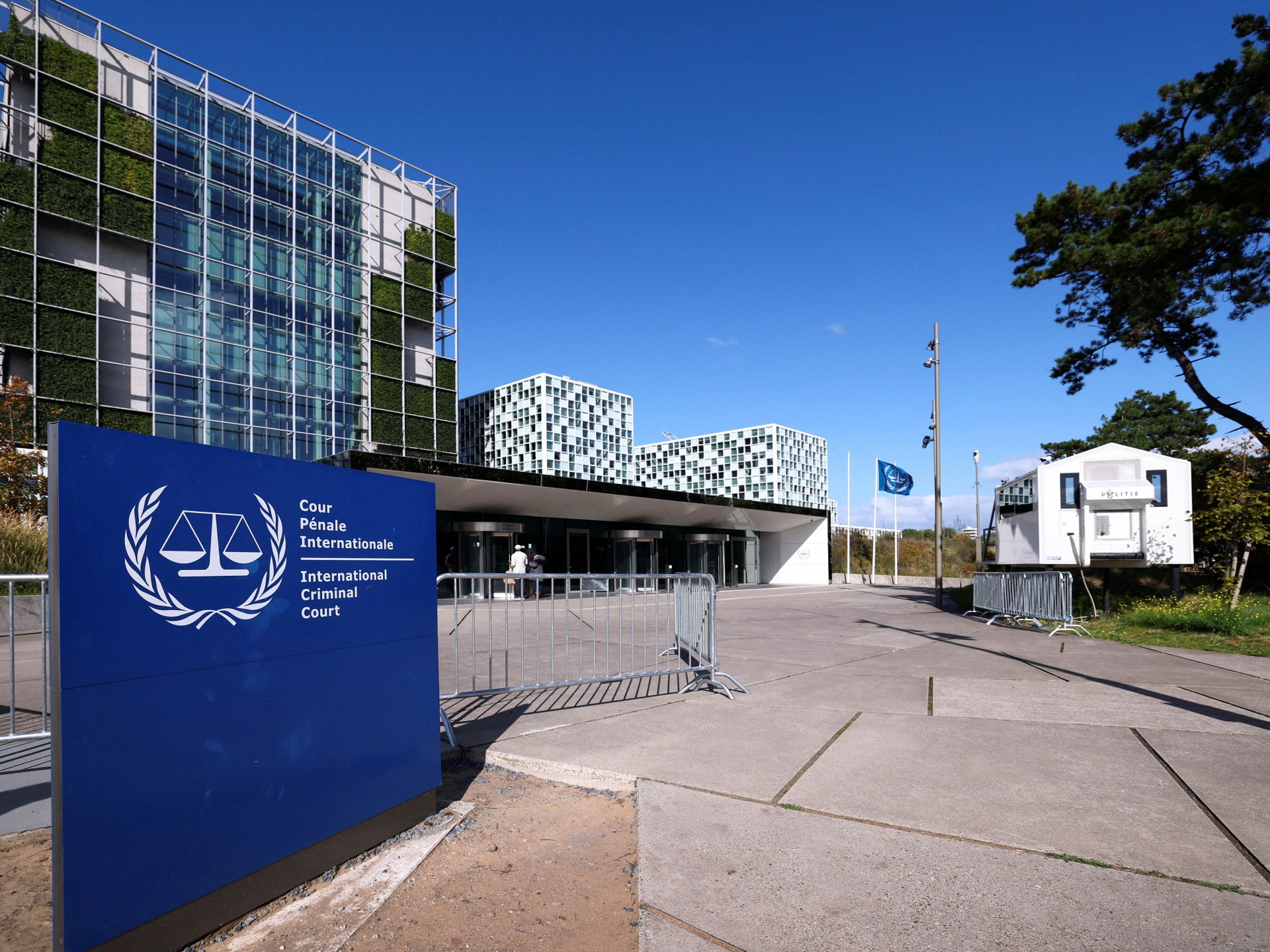
Kathmandu— Four US-based human rights groups have filed a new lawsuit challenging the Trump administration’s campaign of sanctions against the International Criminal Court (ICC), arguing the measures infringe upon constitutional rights and obstruct vital advocacy work. The suit, filed Tuesday, builds on previous legal challenges asserting that the broad sanctions risk trampling the freedoms of speech and due process for US citizens and organizations cooperating with the ICC. It alleges the administration’s actions are based on a fabricated “national emergency” and seeks to dismantle international justice efforts.
Legal Basis of the Challenge
The American Friends Service Committee, the Centre for Constitutional Rights, Human Rights Watch, and the Open Society Institute claim the sanctions “force them to curtail a wide range of human rights and legal work.” They argue this directly violates their First Amendment right to freedom of speech and Fifth Amendment right to due process. The lawsuit contends that former President Trump exceeded his presidential authority by issuing an executive order based on unsubstantiated claims, effectively punishing those seeking justice for serious human rights violations.
Escalation of US Opposition to the ICC
The Trump administration significantly escalated its opposition to the ICC in February 2025 with a sweeping executive order authorizing sanctions against ICC prosecutors, judges, and officials, as well as any individuals or groups supporting investigations. This action specifically targeted the court’s issuance of arrest warrants for Israeli Prime Minister Benjamin Netanyahu regarding alleged war crimes in Gaza, and an ongoing investigation into potential abuses committed by foreign forces – including US personnel – in Afghanistan. Since then, numerous ICC officials and Palestinian rights groups providing evidence to the court have been sanctioned, along with UN Special Rapporteur Francesca Albanese.
Broader Impact of Sanctions
The human rights groups assert that the sanctions are not limited to those directly involved with the ICC but extend to organizations worldwide due to the dominance of US financial and technological systems. They state these measures have halted critical work, including legal representation for war crime victims, policy submissions to the court, collaboration with Palestinian human rights groups, research into violations, and humanitarian aid delivery. Joyce Ajlouny, general-secretary of the American Friends Service Committee, stated, “This executive order seeks to intimidate human rights defenders and deter people of conscience from advocating for the rights and dignity of others.” James Goldston, executive director of the Open Society Justice Initiative, added that the sanctions are “an assault on the rule of law” and a betrayal of US leadership in international justice.
International Response and Concerns
The US is not a signatory to the Rome Statute, the treaty establishing the ICC, and therefore isn’t subject to its jurisdiction—though crimes committed within member states can be investigated. International law experts have noted the timing of the US campaign is perplexing, as no US citizens are currently under investigation by the court. Despite this, Secretary of State Marco Rubio recently pledged to increase pressure on the ICC, accusing it of targeting the United States and vowing increased scrutiny of countries receiving US aid that engage with the court. Chad recently announced its withdrawal from the ICC, citing pressure from Washington.
The lawsuit joins previous legal challenges against the Trump administration’s actions regarding the ICC, including rulings last year in Maine and New York finding the executive order violated constitutional rights. The outcome of these ongoing legal battles will determine the future of US policy toward the International Criminal Court.
(With inputs from Al Jazeera)
Originally published on abcnews.com.np.


प्रतिक्रिया दिनुहोस्