

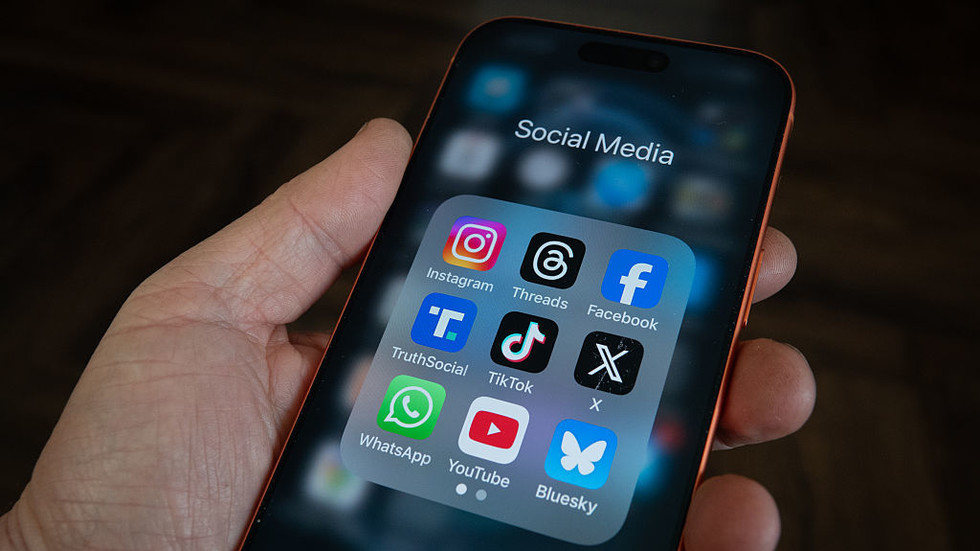
Kathmandu— Thousands of lawsuits accusing Meta, TikTok, Google, Snap, and other social media companies of intentionally designing addictive features that harm children and teenagers can move forward after the Ninth Circuit Court of Appeals dismissed the companies’ appeals on Monday. The cases, brought by individuals, school districts, states, and local authorities, allege these platforms contribute to addiction, depression, anxiety, and other mental health issues in young people. While the ruling does not determine liability, it allows over 3,000 federal cases to proceed through the legal process, challenging a key defense previously used by social media companies.
Section 230 Defense Rejected
Meta and TikTok attempted to halt the lawsuits by invoking Section 230 of US law, which generally protects online platforms from liability related to user-generated content. However, the appeals court ruled that this protection does not extend to preventing the cases from being heard. The court stated that Section 230 “merely provides a defense to liability – not immunity from suit.” This decision clarifies the scope of Section 230 and allows plaintiffs to pursue claims against the companies regarding their platform designs and alleged harmful effects.
State Attorneys General Case Advances
In addition to dismissing the broader appeals, the court also rejected Meta’s request for a delay in a separate case brought by attorneys general from 29 US states. Jury selection is scheduled to begin Wednesday in that case, which accuses Meta of improperly collecting data from children, utilizing features designed to maximize engagement among young users, and misleading consumers about the safety of its platforms. Meta has denied these allegations.
Recent Verdict Signals Growing Legal Risk
This ruling follows a March verdict in Los Angeles where a jury found both Meta and Google negligent in a social media addiction case, awarding $6 million to a plaintiff who claimed addiction to Instagram and YouTube as a child. Both companies are challenging that verdict, but it signaled a growing legal risk for the industry. The outcome of these cases could have significant implications for how social media platforms operate and their responsibility for user well-being.
Global Scrutiny of Youth Access
The US legal battles coincide with increasing global scrutiny of children’s access to social media. Several countries are implementing stricter regulations to address concerns about addictive features, harmful content, and inadequate age verification processes. Australia was the first nation to require platforms to prevent accounts for individuals under 16, while Indonesia, Malaysia, France, and Britain have also introduced or announced restrictions on underage users.
The lawsuits against Meta, TikTok, and other social media companies are ongoing, with jury selection in the state attorneys general case set to begin this week. These cases represent a significant challenge to the industry's legal protections and could reshape how platforms address concerns about youth mental health.
(With inputs from RT)
Originally published on abcnews.com.np.





प्रतिक्रिया दिनुहोस्