

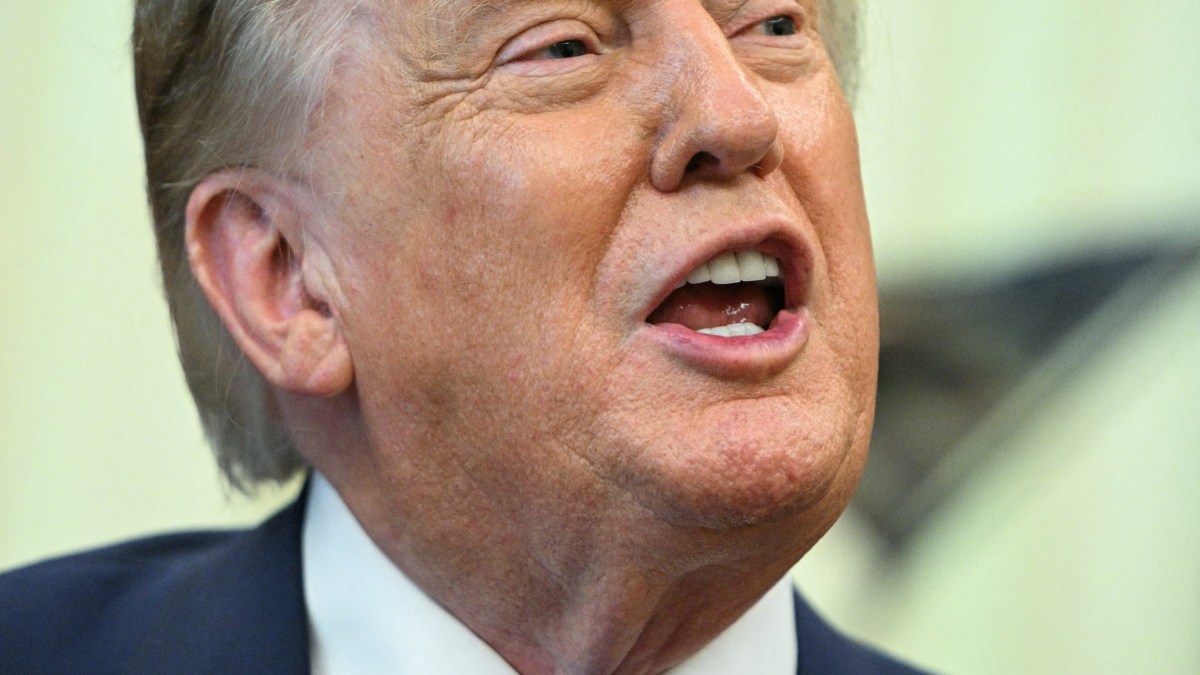
Kathmandu— Former United States President Donald Trump described Democratic candidates in the upcoming midterm US elections as “jihadists” during remarks made in the Oval Office, referencing recent primary wins by candidates like Abdul El-Sayed, a Muslim Democrat who secured his party’s nomination for a Senate seat in Michigan last week. The pronouncements have fueled a wave of Islamophobic discourse among Republican lawmakers as they campaign to secure ballots before November's elections, and come as Democrats navigate internal ideological divisions with less than 90 days until all 435 House seats and 34 Senate seats are contested.
Escalating Rhetoric and Accusations
Trump told reporters he had been advised by a friend to use the term “jihadist” when describing some Democratic nominees, stating, “We have jihadists being elected all over the place.” He also launched an attack on people of Somali descent, calling them “not smart” and claiming they lack the ability to contribute to governing the country. Following Trump’s initial comments, he specifically targeted El-Sayed, sharing a photo on Truth Social depicting the candidate with two women wearing headscarves alongside the caption: “They are coming for your home and your belongings.”
Republican Support for Anti-Muslim Sentiment
Several other Republican figures echoed Trump’s rhetoric following El-Sayed's primary win. Representative Nancy Mace of South Carolina claimed on social media that all Muslim public officials represent a threat to national security, labeling them “Trojan horses.” Alabama Senator Tommy Tuberville went further, directly calling El-Sayed a “TERRORIST” and describing him as a “RADICAL ISLAMIST.” Trump previously shared a social media post comparing photos of himself and his wife with those of El-Sayed and his wife, Dr. Sarah Jukaku, with the caption: “Two VERY DIFFERENT America’s.”
Response from Democratic Candidate
Abdul El-Sayed responded to Trump's attacks during an appearance on CNN’s State of the Union, stating, “Sarah and I actually like each other,” in a pointed contrast to reports about the relationship between Trump and First Lady Melania Trump. He also directly addressed the former president’s claims, implying a strained dynamic within the Trump marriage.
Broader Political Context
The escalating rhetoric comes as Democrats face an internal ideological divide between moderate leaders and progressive candidates. This division is playing out against the backdrop of the highly anticipated midterm elections, where control of both the House and Senate are at stake. Trump characterized these progressive candidates as “radical lunatics” who should not be involved in running the country.
With less than 90 days until the midterm elections, the heightened rhetoric from both sides is expected to continue as campaigns intensify.
(With inputs from Al Jazeera)
Originally published on abcnews.com.np.



प्रतिक्रिया दिनुहोस्