

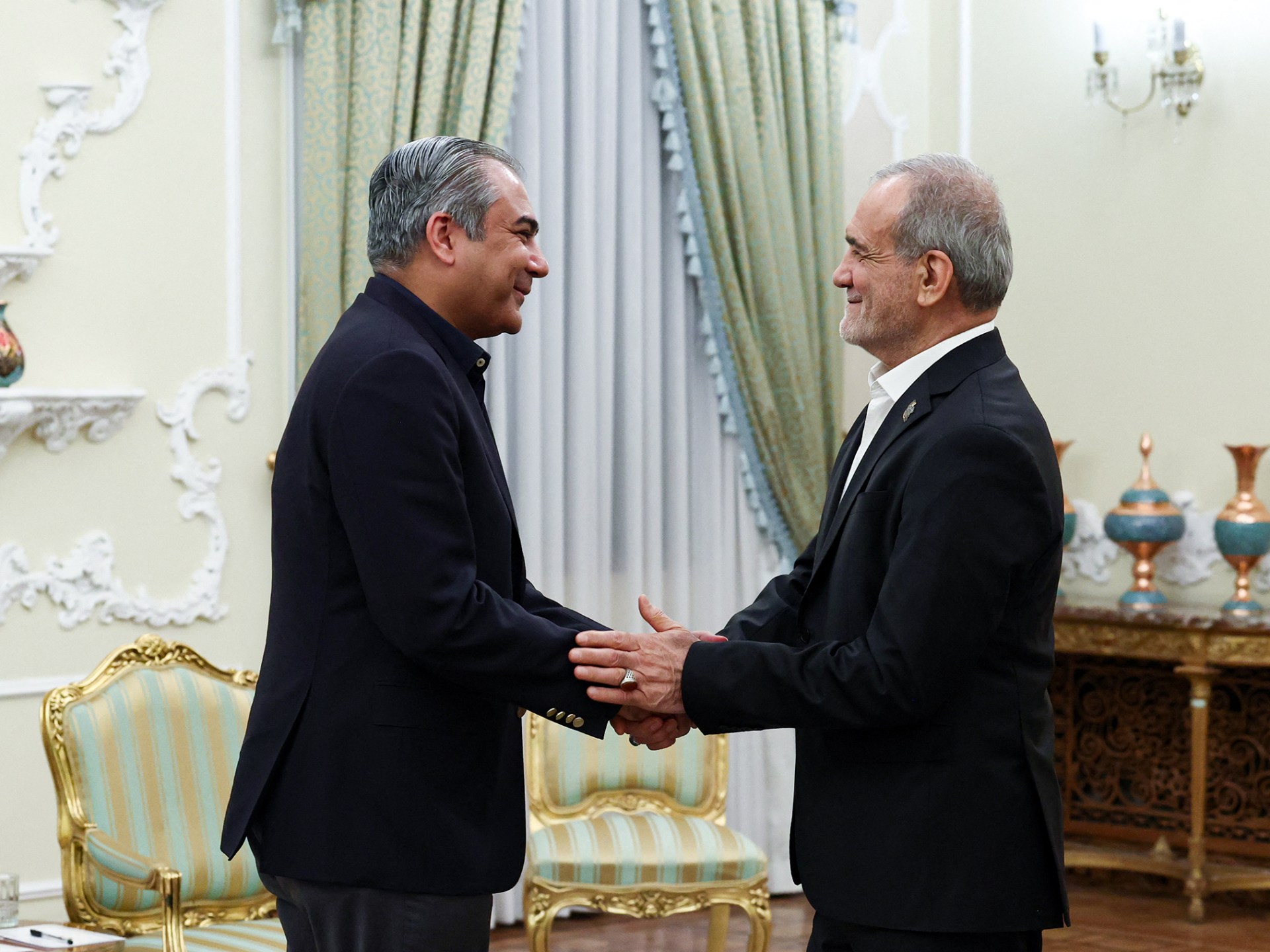
Kathmandu— Iran is holding firm on its conditions for reopening the Strait of Hormuz, a critical waterway for global oil transport, as Pakistan’s interior minister, Mohsin Naqvi, visited Tehran to mediate amidst escalating regional tensions. The developments come amid ongoing attacks by both the United States and Yemen's Houthi forces on shipping in the Gulf and Red Sea, and despite claims of progress towards a resolution to the conflict between the US and Israel. Iranian officials are demanding an end to the U.S.’s naval blockade of Iranian ports, the release of frozen Iranian funds, and a comprehensive ceasefire across the region – including in Gaza and Lebanon – as prerequisites for allowing unrestricted passage through the Strait.
Iranian Conditions Remain Unchanged
Mohsen Rezaei, recently appointed head of Iran’s Supreme National Security Council, conveyed Tehran's position to China’s ambassador, stating that Washington must alter its behavior and meet Iran’s conditions for the full reopening of the Strait of Hormuz. According to Iranian media reports, Rezaei emphasized the need for an end to the U.S.’s naval blockade on Iranian ports alongside a region-wide ceasefire encompassing Gaza and Lebanon. He reiterated this stance in a post on X, stating, “The Strait of Hormuz will not reopen until the U.S. ends the war and blockade, releases Iran’s frozen assets, and agrees to a region-wide ceasefire.”
Mediation Efforts Underway
Pakistan is actively involved in mediating efforts to de-escalate the conflict, with Interior Minister Mohsin Naqvi meeting with Iranian President Masoud Pezeshkian and Foreign Minister Abbas Araghchi in Tehran. Discussions focused on strengthening political, economic, trade, cultural, and security ties between the two nations. Qatar, another key mediator, reported that talks between Iran and Oman regarding shipping routes in the Strait of Hormuz had reached an advanced stage, expressing optimism about a potential reopening and sustained ceasefire. However, Iranian officials clarified that any agreement with Oman on shipping lanes would not independently lead to the waterway’s full reopening.
Escalating Military Actions
The United States engaged in direct military action on Tuesday when US Central Command reported that a Navy helicopter fired upon a Panama-flagged cargo ship in the Strait of Hormuz after it disregarded warnings related to the U.S. naval blockade of Iranian ports. Simultaneously, at the southern end of the Red Sea, a suspected Houthi attack on a small cargo vessel in the Bab al-Mandeb strait resulted in the deaths of four crew members and two Yemeni rescuers. The Houthi-run Saba news agency claimed responsibility for attacking a Saudi ship carrying military equipment in the same area, though Saudi authorities have yet to respond.
Widespread Casualties Reported
The conflict, which began on February 28th with strikes launched by the US and Israel against Iran, has resulted in significant casualties. Iranian sources report at least 3,527 deaths and over 27,000 injuries within Iran itself, while at least 18 Americans have also perished. The conflict’s impact extends to Lebanon, where clashes between Israel and Iran-backed Hezbollah have killed more than 4,300 people and injured over 12,000 since March 2nd. In Israel, Iranian and Hezbollah attacks have claimed the lives of at least 60 individuals.
As mediation efforts continue, Iran remains steadfast in its demands for concrete concessions from the United States before allowing normal shipping traffic to resume through the Strait of Hormuz, further complicating the already volatile situation in the region.
(With inputs from Al Jazeera)
Originally published on abcnews.com.np.


प्रतिक्रिया दिनुहोस्