

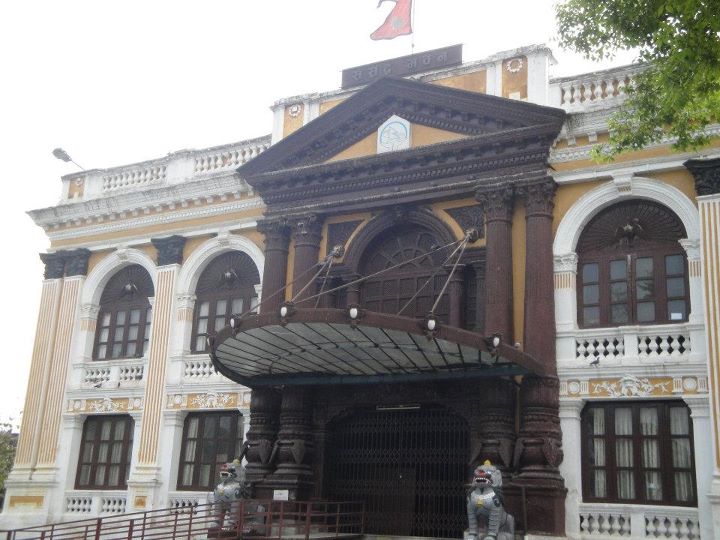
Kathmandu— During a meeting of the Nepali House of Representatives (HoR) held on Tuesday, lawmakers from multiple parties addressed pressing national issues ranging from the safety of healthcare workers to ongoing shortages of cooking gas and border disputes with neighboring countries. Concerns were voiced regarding attacks on medical personnel, particularly in light of their service during the COVID-19 pandemic, alongside accusations of artificial scarcity and black marketing within the cooking gas supply chain.
Healthcare Worker Safety Under Debate
Nepali Congress lawmaker Shahjan Khatun urged the government to prioritize the safety of healthcare workers, calling for a legal provision allowing ‘jail without bail’ for those who assault or misbehave with them. She highlighted the risks faced by medical staff, from facilities like Palata Hospital in Kalikot to Narayani Hospital in Birgunj, and lamented that despite their crucial role during the COVID-19 pandemic—when they were hailed as “frontline heroes”—they now face unsafe working conditions. Khatun also pointed to issues with stipends for interns and resident doctors, describing them as essential to medical colleges.
Gas Shortages Spark Criticism
Lawmakers questioned the government’s supply and distribution system as cooking gas shortages persist, forcing consumers to wait in long lines. Members of the ruling Rastriya Swatantra Party (RSP) criticized what they described as an artificial shortage, black marketing, and distribution irregularities, demanding action against those responsible. RSP lawmaker Ashika Tamang satirized the situation, noting that people are forced to travel long distances between Thankot, Balaju, and Teku in search of gas cylinders. Other lawmakers called for greater transparency from gas companies regarding depot-level distribution details.
Differing Views on Supply Chain Issues
While many pointed fingers at systemic failures, some lawmakers offered alternative perspectives on the gas shortage. RSP lawmaker Apsana Banu suggested that consumer behavior—returning partially full cylinders for refills—contributed to market pressure. Meanwhile, Nepali Congress’s Geeta Gurung challenged the government's claims of adequate supply, contrasting official statements with the ongoing struggles faced by citizens. She questioned why long lines persist despite assurances from the government.
Calls for National Unity and Border Security
Beyond healthcare and gas, lawmakers also addressed issues of national sovereignty and diplomatic relations. Rastriya Prajatantra Party (RPP) lawmaker Bharat Giri demanded a clear government stance on border disputes, particularly concerning Lipulek. Shram Sanskriti Party lawmaker Dhruvraj Rai emphasized the need for unity among political parties and citizens regarding matters of nationality, urging collaborative solutions to sensitive issues.
The House of Representatives is expected to continue discussions on these critical issues in upcoming sessions, with lawmakers pressing the government for concrete action to address healthcare worker safety, resolve cooking gas shortages, and safeguard national interests.
(With inputs from RN)
Originally published on abcnews.com.np.



प्रतिक्रिया दिनुहोस्