

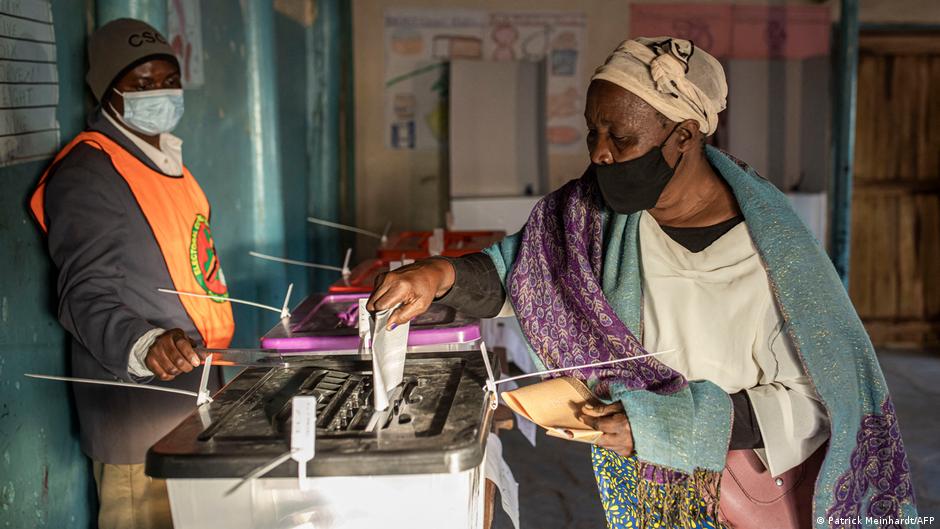
Kathmandu— Zambia will hold its general election on Thursday, August 12, 2026, with voters set to choose between incumbent President Hakainde Hichilema and fourteen other candidates, including prominent challenger Brian Mundubile. The election is being contested on key issues of economic recovery, governance reforms, and a significant redrawing of the parliamentary map which adds 70 new constituencies bringing the total number of seats to 226. Over 8.7 million voters are expected to participate, with a majority being women, as the country seeks to maintain its status as a stable multi-party democracy in Southern Africa.
Economic Hardship Drives Voter Concerns
Economic issues are at the forefront of Zambia’s election campaign, as over 70% of the population lives on less than three dollars a day. Many households struggle with monthly incomes between $60 and $100 while facing rising grocery prices. Lucky Mutelo, a security guard, expressed a common sentiment: “I would like the new government to increase our salaries. [Maize meal] is very expensive. Everything is expensive.” Rebecca, a market shopper, echoed this concern, stating that “the cost of living is still too high.”
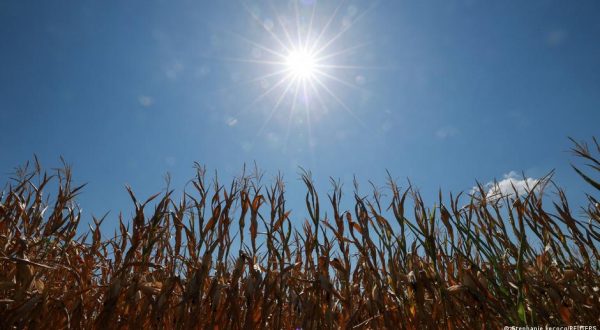
The Hichilema administration has made strides in addressing these issues, securing a landmark debt restructuring agreement and restoring an International Monetary Fund program which supports economic growth; inflation fell to 6.5% in June. The government has also implemented free education and expanded the Constituency Development Fund, allocating public funds directly to local development projects. However, a severe drought impacted agriculture and led to hydropower load-shedding, straining household finances.
Fragmented Opposition and Shifting Demographics
To win the presidency, a candidate must secure 50% plus one of the total votes cast; if no contender reaches this threshold, a second round will be held. With fourteen candidates on the ballot, even small shifts in support across Zambia’s ten provinces could determine whether a runoff election is necessary. Analysts believe that urban centers like Lusaka and the Copperbelt – where cost-of-living pressures are most acute – will be crucial battlegrounds, while rural areas traditionally adhere to established party loyalties.
The United Party for National Development (UPND) historically receives strong support in the Southern, Western, and North-Western provinces, while the opposition targets the Northern, Luapula, and Eastern provinces. A high youth turnout, similar to that which propelled Hichilema to victory in 2021, is expected to be a decisive factor again, particularly in densely populated urban districts; nearly half of registered voters are between the ages of 18 and 35.
Calls for Greater Gender Representation
Gender representation remains a significant theme in this election, with one female presidential candidate and four female running mates. Mwaka Nyirenda, contesting for a parliamentary seat, noted that “Politics is still a man's world. People doubt you, underestimate you and try to intimidate you,” adding that male candidates often receive greater financial support.
Women comprise roughly 51% of Zambia’s population but hold only about 15% of parliamentary seats and fewer than 20% of political leadership positions. Leah Diana Mitaba, publicity secretary of the Non-Governmental Coordinating Council, warned that these figures “demonstrate that Zambia remains far from achieving the 50:50 gender representation envisaged in the Constitution.” Groups like Girls Gone Political are campaigning for greater female participation and increased civic education to encourage more women to enter politics.
Concerns Over Judicial Independence
This election has also raised questions about the independence of Zambia’s judiciary. In 2024, President Hichilema suspended three Constitutional Court judges who ruled in favor of his rival, former President Edgar Lungu. Lawyer Linda Kasonde argued that “judicial independence is the ability to adjudicate on any matter, without fear or favor, regardless of the stakes involved in the case.”
Kasonde identified concerns regarding an executive-approved salary increase for judges bypassing the constitutional emoluments commission and the appointment of 16 new judges in early 2026, many from the incumbent’s strongholds. She concluded that “These appointments call into question whether any decisions that will be made regarding the elections will be done independently.” Chief Justice Mumba Malila recently reassured the public that the judiciary would fulfill its constitutional responsibilities independently and professionally.
Regional Implications of Zambia's Election
Zambia’s status as a stable multi-party democracy in the Southern African Development Community (SADC) means this election will influence regional democratic norms. The country’s ability to host a peaceful transition or renewal of power is seen as a barometer for neighboring states, particularly after recent defeats of incumbents in Botswana and Malawi.
Polls will be open from 6:00 a.m. to 6:00 p.m., with Zambians electing a president, National Assembly members, mayors, councilors, and council chairs. This election holds the potential to either consolidate President Hichilema’s reform agenda or usher in a new administration.
The outcome of this election will be closely watched both within Zambia and across the Southern African region as it could set a precedent for democratic transitions in neighboring countries.
(With inputs from DW)
Originally published on abcnews.com.np.

प्रतिक्रिया दिनुहोस्