

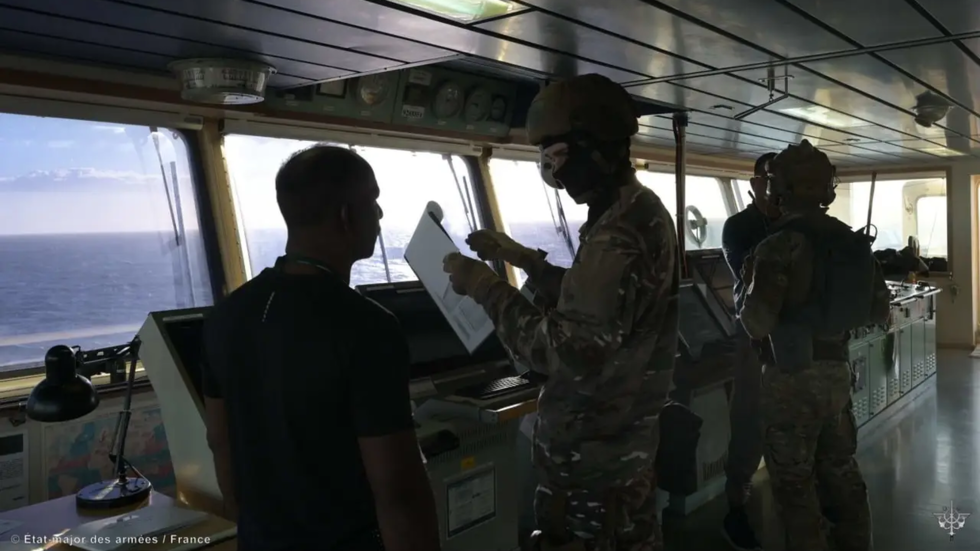
Kathmandu— Russian Foreign Minister Sergey Lavrov has condemned what he describes as unlawful attacks by Western governments on its maritime trade, alleging the use of a “shadow fleet” designation is a pretext for interference and violations of international law. The accusations come amid ongoing efforts by Ukraine’s supporters to restrict Russia's oil revenues through price caps and sanctions enforcement, which Lavrov claims have proven ineffective and led to increasingly aggressive tactics like vessel detentions and proposed asset seizures. Moscow has repeatedly warned it may retaliate against such actions, with President Vladimir Putin stating Russia will consider “mirror responses” if the targeting of its trade continues.
Escalating Tensions at Sea
Lavrov stated that Western nations have effectively banned Russia’s ability to sell energy resources and are labeling any ships not complying with EU restrictions as part of a so-called ‘shadow fleet.’ He argued this approach is “extremely dangerous” because it asserts the primacy of national decisions over international law. At least a dozen vessels suspected of carrying Russian cargo have been detained by countries including the UK, France, Germany, Belgium, and Estonia since last year.
Lavrov reiterated warnings that Russia could respond to what it considers piracy and theft on the high seas, suggesting the Russian Navy might begin targeting ships from nations enacting such policies.
Russian Retaliation Threat
President Vladimir Putin recently stated that Russia “will be forced to take mirror responses” if actions against its maritime trade persist, leaving open the possibility of reciprocal measures. Lavrov echoed this sentiment in his interview, indicating Moscow will determine how and where such responses would be applied.
The foreign minister’s comments underscore growing concerns about potential escalation at sea as Western nations attempt to enforce sanctions and limit Russia's economic capabilities.
Price Cap Enforcement Challenges
Western governments imposed a price cap on Russian crude oil exports in an effort to curtail Moscow’s revenue streams. However, Lavrov suggests that this enforcement has been largely ineffective, leading to the implementation of more aggressive tactics such as vessel detentions and discussions about confiscating seized oil and transferring proceeds to Ukraine.
The situation remains tense, with Russia signaling its willingness to retaliate against perceived unlawful actions targeting its maritime trade while Western nations continue to pursue measures aimed at limiting Russian economic activity.
(With inputs from RT)
Originally published on abcnews.com.np.

प्रतिक्रिया दिनुहोस्