

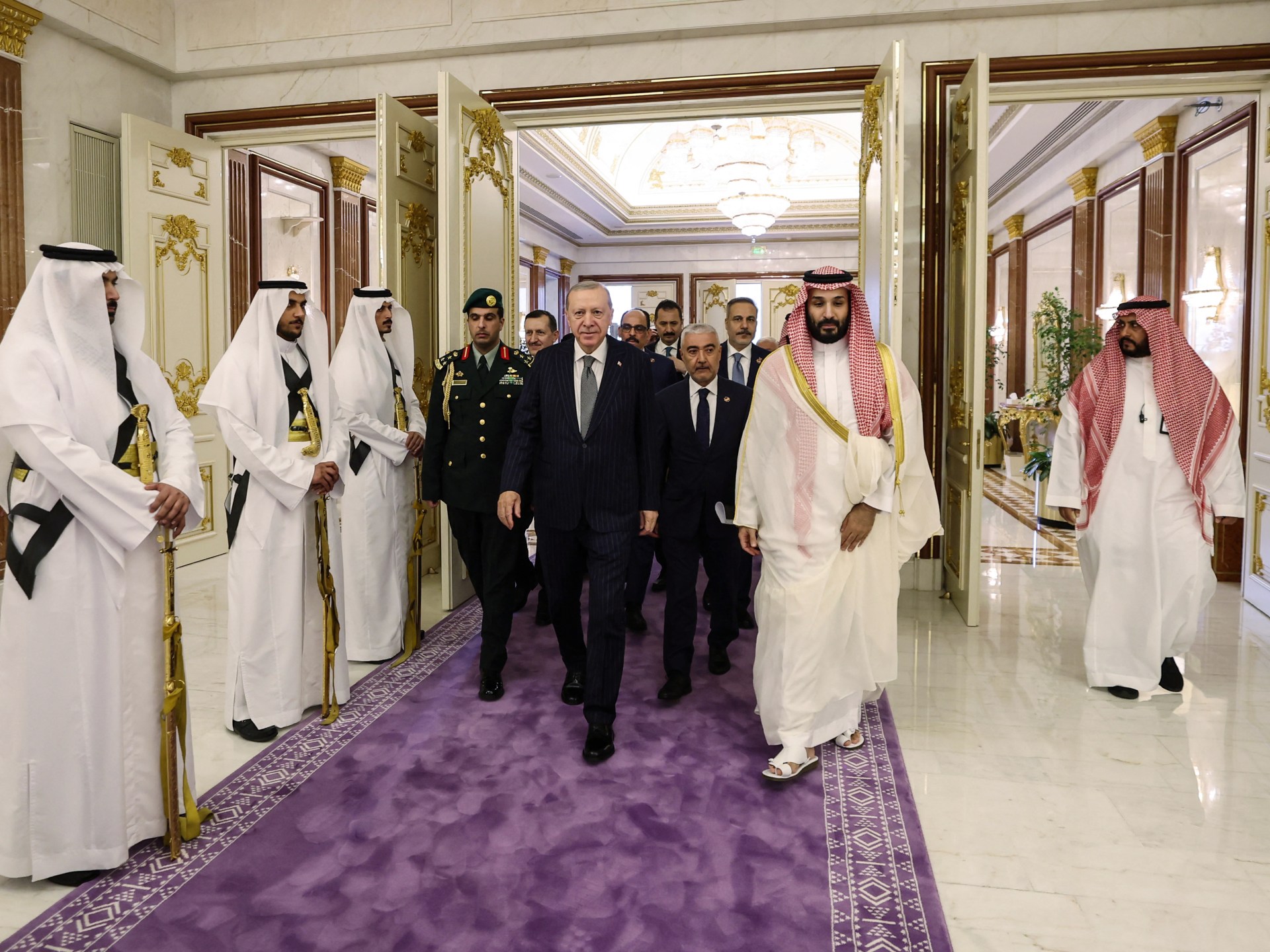
Kathmandu— Saudi Arabia, Pakistan, and Turkey signed a joint defence agreement last week, stipulating that an armed attack on any one of the three nations would be considered an attack against them all. The Turkish defense ministry detailed plans for joint military exercises and increased cooperation within their defense industries, signaling a bid to strengthen security ties among these major Muslim-majority economies as conflicts escalate in the Middle East. Pakistan’s foreign ministry confirmed the agreement mirrors NATO's Article 5 collective defence clause, while Turkey indicated the pact is open to expansion, with Egypt potentially joining.
Pact Details and Objectives
The Turkish defense ministry stated on Thursday that the fundamental goal of the pact is to establish more institutional and sustainable defense and military ties. Strategic political and military mechanisms will be established involving defence ministers, foreign ministers, and armed forces commanders, ensuring coordination at the highest level. The agreement follows visits by Pakistan’s Prime Minister Shehbaz Sharif and Turkish President Recep Tayyip Erdogan to Saudi Arabia, underscoring a commitment to closer collaboration.
Historical Precedents: Alliances with Mixed Results
The new pact echoes numerous other mutual defense agreements established globally, but their effectiveness has often been limited. Analysts note that while such alliances can deter large-scale interstate wars, they struggle to address conflicts in ‘grey zones’ – encompassing military occupation, internal repression or proxy violence. Often, these pacts function more as signals of political alignment than genuine collective defense mechanisms.
NATO: A Cold War Success Story
The North Atlantic Treaty Organisation (NATO), formed in 1949, stands out as a relatively successful example. Initially comprising twelve members, it has expanded to thirty-two, most recently with the addition of Sweden. Many believe NATO deterred direct Soviet attacks on Western European states during the Cold War, and vice versa through the Warsaw Pact. Article 5, the core principle of collective defense, was invoked only once after the September 11th terrorist attacks.
Regional and International Pacts
Beyond NATO, numerous other regional alliances have been formed with varying outcomes. The Arab League signed a mutual defence treaty in 1950, while the Inter-American Treaty of Reciprocal Assistance was signed in 1947 and invoked during both the Cuban missile crisis and the September 11th attacks. The ANZUS Treaty between the US, Australia, and New Zealand faced disruption when the US suspended its security obligations to New Zealand due to Wellington’s anti-nuclear policy. Similarly, bilateral agreements like the US-Japan Security Treaty have fostered long-term strategic partnerships, with approximately 50,000 US military personnel stationed in Japan.
Recent Alliances and Collective Responses
More recently, the Gulf Cooperation Council (GCC) established the Peninsula Shield Force in 1984 to defend its member states during the Iran-Iraq War. The Treaty on European Union (TEU), signed in 2009, created a mutual defense obligation for EU members, invoked by France following the 2015 Paris attacks. The Collective Security Treaty Organisation (CSTO), led by Russia, deployed troops to Kazakhstan in 2022 at the request of its president to manage civil unrest.
The long-term efficacy of the Turkey-Pakistan-Saudi Arabia pact remains to be seen, but it represents a significant step towards deepening security cooperation among these key regional players.
(With inputs from Al Jazeera)
Originally published on abcnews.com.np.



प्रतिक्रिया दिनुहोस्