

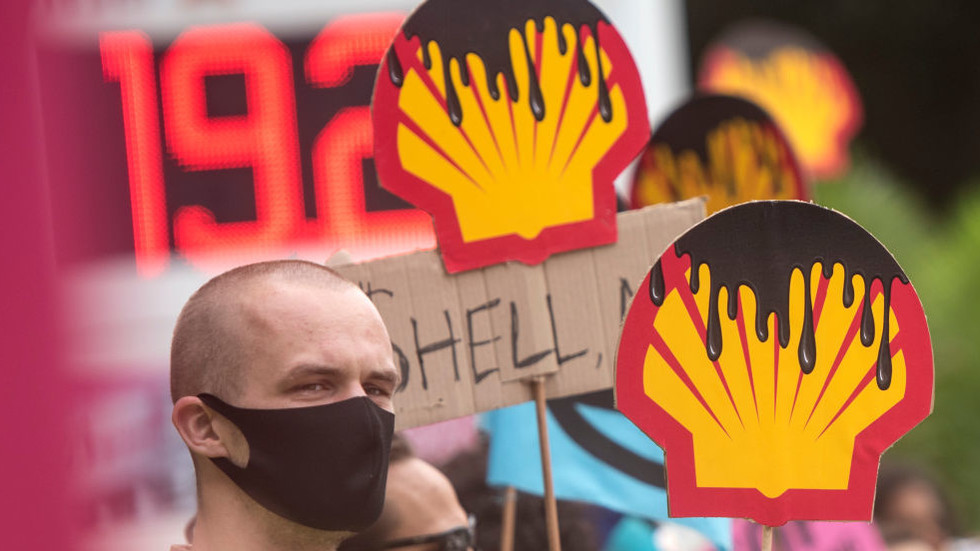
Kathmandu— South Africa’s Constitutional Court on Friday ruled against British energy giant Shell’s plan to conduct oil and gas exploration off the country's Wild Coast, overturning a 2024 Supreme Court of Appeal decision that had offered a path for continued project approval. The court found that initial exploration rights granted in 2014 were fatally flawed due to a lack of meaningful consultation with local communities who rely on the coastline for customary fishing and spiritual practices, and that attempting consultation after such a delay would not remedy the constitutional violation. Shell and Impact Africa had invested approximately R1.1 billion (roughly $58 million USD) in the project before it was initially halted by a lower court in 2022.
Legal Battle and Initial Ruling
The exploration right was first granted to Impact Africa in 2014, with Shell acquiring a half share seven years later. A Makhanda High Court ruling in 2022 initially scrapped the project, finding that coastal communities had not been adequately informed about the proposed seismic surveys. The Supreme Court of Appeal subsequently overturned this decision, allowing for potential renewal if proper public consultation occurred. However, Friday’s Constitutional Court order reinstated the original high court judgment, effectively ending Shell's exploration bid.
Constitutional Concerns and Community Rights
The court emphasized that simply offering belated consultation would not address the violation of communities’ rights to dignity and cultural practices. Justice Jody Kollapen, writing for the majority, stated, “To tell communities, more than a decade after the fact, that they may now be consulted, would not be curative to their right to dignity.” The ruling also highlighted concerns that allowing financial investment to override constitutional violations would subordinate the rights of affected parties to commercial interests. The Wild Coast is a 250km stretch of Eastern Cape shoreline with significant cultural and economic importance for local communities.
Dissenting Opinion and Project Future
Justices Owen Rogers and Savage dissented, arguing that the Supreme Court of Appeal’s remedy – allowing for further consultation – should have been preserved. They believed this would have accommodated all parties involved and potentially allowed for a final three-year exploration period after proper engagement with communities. However, the majority held firm that the original application was fundamentally flawed and any attempt to revive it would be inappropriate. The ruling also prevents the companies from circumventing a government moratorium on new coastal exploration rights.
Interdict and Previous Findings
Shell initially announced plans for a 3D seismic survey in October 2021, prompting an interdict – a legal injunction – from groups including Sustaining the Wild Coast, All Rise Attorneys for Climate and Environmental Justice, and local fishing communities. The high court’s 2022 ruling cited failures to adequately inform affected parties about the survey's impacts, consider harm to marine life or address cultural and religious concerns, and substantiate claims of job creation.
The Constitutional Court’s decision brings a definitive end to Shell’s exploration plans off the Wild Coast, reinforcing the importance of meaningful community consultation in resource extraction projects. The ruling is expected to set a precedent for similar cases involving environmental and social rights.
(With inputs from RT)
Originally published on abcnews.com.np.


प्रतिक्रिया दिनुहोस्