

Kathmandu— Following the collapse of the Afghan government in 2021, thousands sought refuge in Europe, particularly those who had worked with Western organizations and faced threats from the Taliban. While many were initially granted refugee status, a growing trend towards stricter immigration controls across the continent is now jeopardizing their new lives, as governments explore options for returning refugees to Afghanistan despite ongoing instability and concerns about safety.
A Promise Unraveling
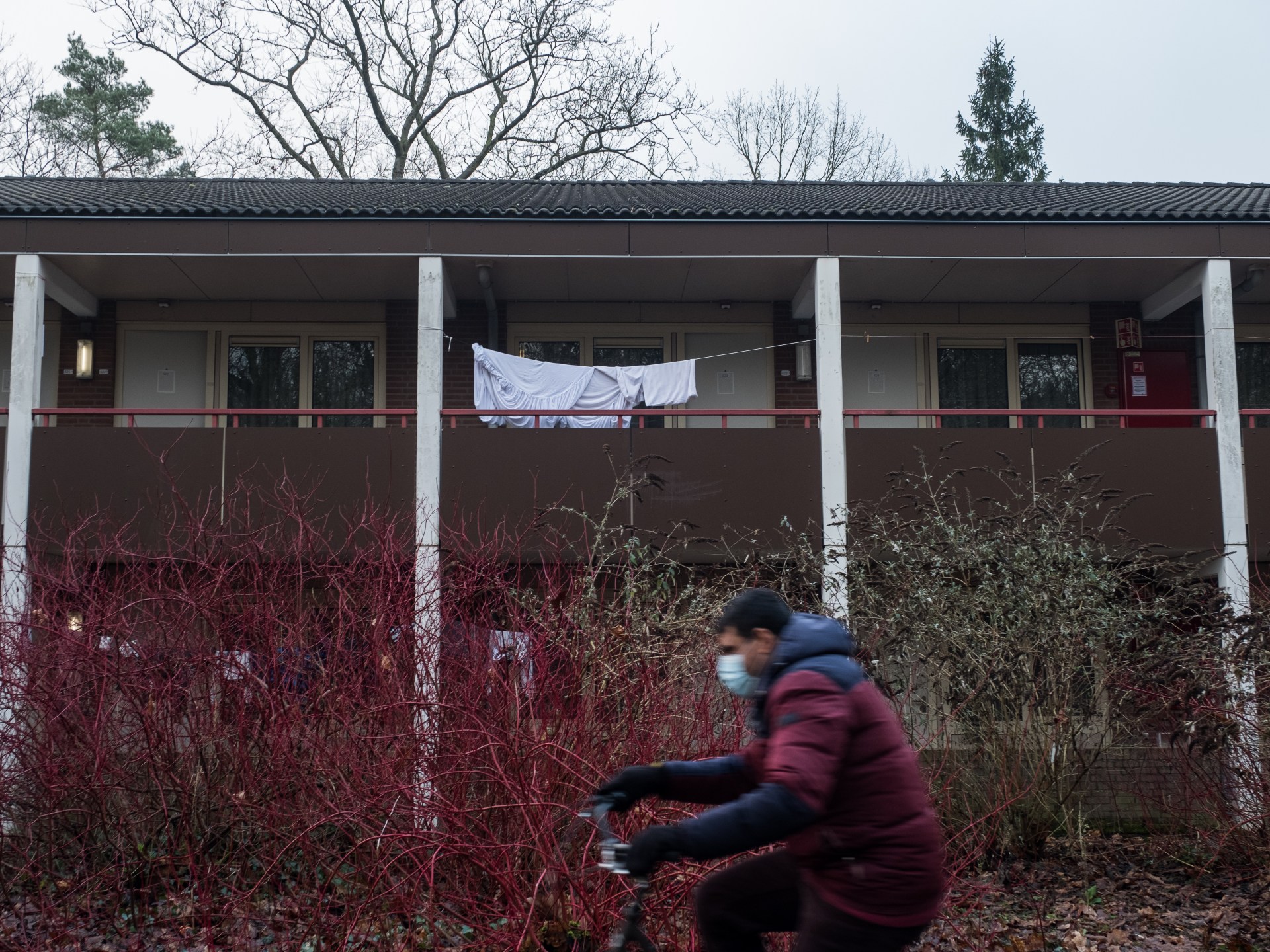
Abdul Wali, an Afghan man who worked with Dutch NGOs and received recognition from the Dutch government for his service, exemplifies this precarious situation. Arriving in the Netherlands in 2021 after a harrowing evacuation, he and his family built a life in Steenwijk, learning the language and integrating into the community. Their hopes of securing permanent residency through Dutch passports were dashed when the government altered its policies, leaving them with only temporary permits and an uncertain future. “We are a targeted group of the Taliban; we are known to them,” Wali explained, highlighting the dangers they face if forced to return.
EU Shifts Towards Engagement With The Taliban
The changing stance is not limited to the Netherlands. Approximately half a million Afghans have sought asylum in the EU since 2021, but European governments are increasingly focused on implementing stricter refugee policies. This shift has led to unprecedented steps, such as Germany’s decision to lift a de facto ban on deportations to Kabul and the first deportation of an Afghan national without a criminal record. A leaked Swiss document reveals plans among several EU nations – including the Netherlands, Germany, Denmark, and Norway – to significantly increase deportations to Afghanistan. The move comes after 15 European ambassadors met with a Taliban delegation in Brussels, raising concerns about collaboration on refugee returns.
Critics Warn of Counterproductive Policies
Former Dutch Deputy Ambassador Cees Roels, who was stationed in Kabul during the Taliban takeover, expressed shock at the EU’s move to improve relations with the Taliban. “What the EU wants to do is create a system where the Taliban is the gatekeeper of European migration policies,” he said, adding that it overlooks the fact that the Taliban itself contributes to the conditions driving Afghans to flee. Fridoon, another Afghan refugee in the Netherlands and a former legal professional who worked with EUPOL Afghanistan, echoed these concerns, stating, “We didn’t choose to come here; we didn’t have a choice then to leave our country.” He pleaded for continued protection, especially for his children, fearing that returning would mean facing death.
Families Caught in Limbo
The uncertainty is taking a heavy toll on Afghan families attempting to rebuild their lives. Abdul Wali worries about the future of his daughters’ education should they be forced back to Afghanistan, where access to schooling for girls has been severely restricted. Fridoon struggles with sleepless nights, fearing deportation and the dangers that await his family if they are returned. These Afghans, who once risked their lives assisting European efforts in Afghanistan, now find themselves trapped in a state of limbo, their futures hanging in the balance as Europe grapples with its evolving approach to migration.
The situation remains fluid, with ongoing debate within and between European nations regarding the implementation of stricter deportation policies. The fate of thousands of Afghan refugees hangs on these decisions, raising questions about responsibility towards those who assisted Western missions and the safety of returning to a country under Taliban rule.
(With inputs from Al Jazeera)
Originally published on abcnews.com.np.


प्रतिक्रिया दिनुहोस्