

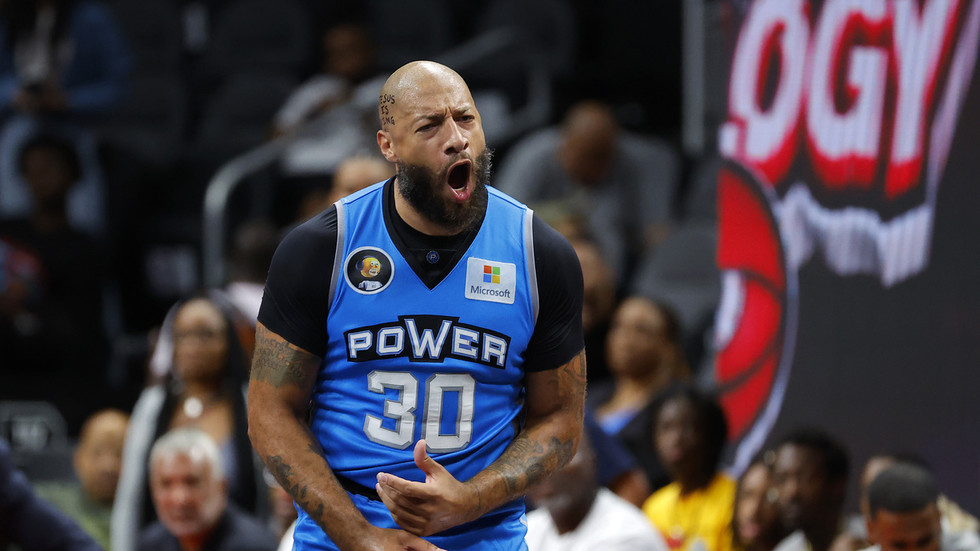
Kathmandu— A debate is currently unfolding within the Women’s National Basketball Association (WNBA) regarding the eligibility of transgender athletes, specifically following comments made by former NBA player Royce White who stated he identifies as a woman “sometimes… for [the] purpose of basketball.” White, standing at 6 feet 8 inches and weighing 260 pounds, expressed his desire to play in the WNBA despite the significant physical differences between male and female athletes, sparking widespread discussion about fairness, competitive balance, and the protection of women’s sports.
Athlete's Transgender Declaration
Royce White, a former first-round NBA draft pick, recently announced to Fox News that he identifies as a woman for the purpose of competing in professional basketball. He believes he would be “unstoppable” in the WNBA, where the average player height is approximately 6 feet 0.8 inches, compared to the average male player height of 6 feet 7 inches. White’s declaration has brought the issue of transgender inclusion in women's sports into sharp focus.
Player and Political Reactions
Indiana Fever star Sophie Cunningham voiced concerns about protecting female athletes, stating she wants to “protect young girls in a locker room, or young girls in sport who shouldn’t have to go against biological men.” Her comments drew both support and criticism, with fans displaying shirts referencing the XX-XY chromosome pairing as a symbol of biological differences. Minnesota Lynx head coach Cheryl Reeve countered by wearing a shirt stating “Trans Kids belong,” though the debate centers on adult athletes. The controversy even reached the White House, where Press Secretary Karoline Leavitt defended Cunningham and highlighted public opinion leaning towards prioritizing biological fairness.
Legal and Olympic Precedents
Recent legal rulings and policy changes suggest a growing trend toward recognizing biological differences in sports competition. The US Supreme Court upheld laws allowing states to ban transgender women from female school and college teams, concluding such policies do not violate anti-discrimination laws. Furthermore, the International Olympic Committee (IOC) announced that starting with the 2028 Los Angeles Olympics, eligibility for the female category will be restricted to biological females verified through gene screening. The NCAA has also updated its guidelines to restrict participation in women’s sports categories strictly to athletes assigned female at birth.
Concerns Over Competitive Equity
The central concern driving the debate is the potential impact on competitive equity within women's sports. Proponents of biological-based eligibility argue that allowing individuals assigned male at birth, who may possess inherent physical advantages, could displace or disadvantage female athletes and ultimately diminish opportunities for women in their respective sports. The author suggests a future where men unable to compete at the highest levels in men’s sports might dominate women's leagues.
The debate surrounding transgender athlete eligibility remains ongoing, with legal precedents and policy changes continuing to evolve as stakeholders grapple with balancing inclusion and fair competition.
(With inputs from RT)
Originally published on abcnews.com.np.



प्रतिक्रिया दिनुहोस्