

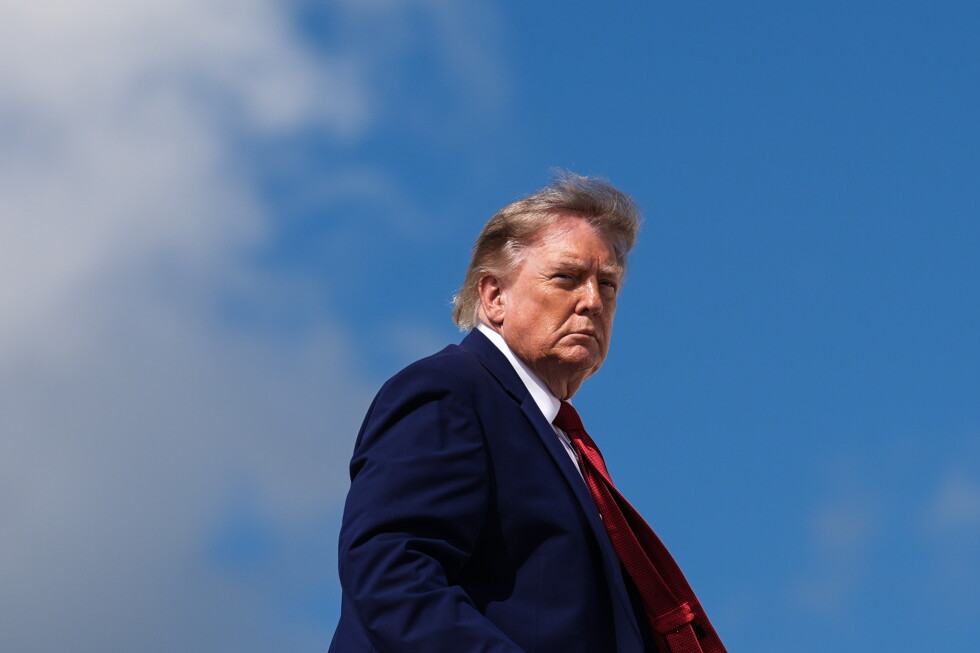
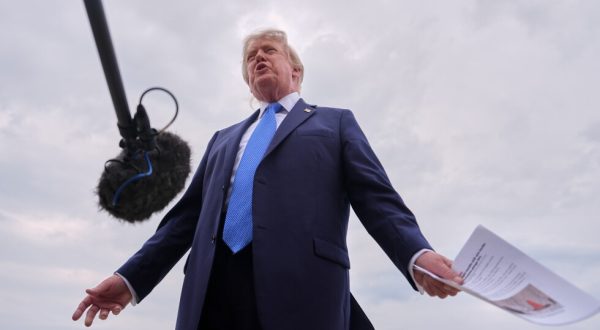
Kathmandu— President Donald Trump has distinguished himself by rarely accepting responsibility for negative developments during his time in office. From attributing current economic challenges to the policies of his predecessor, Joe Biden, despite Biden having left office over 18 months prior, to blaming vandalism for issues with the Lincoln Memorial Reflecting Pool even when internal assessments pointed to workmanship flaws, Trump consistently deflects blame. This pattern extends to international affairs, where he frames the ongoing conflict in Iran as a correction of past presidential inaction, and has become increasingly apparent as Republicans approach November’s midterm elections.
A Break From Presidential Tradition
The phrase “the buck stops here” is deeply ingrained in American political culture, popularized by President Harry S. Truman who kept a sign with that motto on his desk. However, Trump has effectively adopted the opposite approach—taking credit for successes while distancing himself from failures. While most modern presidents acknowledge responsibility to some degree, often blaming previous administrations or Congress, Trump’s tendency to avoid accountability is described as unprecedented. Historian Nicole Anslover notes that accepting responsibility is a fundamental characteristic of leadership.
Midterm Election Implications
Trump's unwillingness to accept blame is drawing increased scrutiny ahead of the midterm elections, where Republicans are vying to maintain control of Congress. His denials of problems and redirection of fault could leave GOP candidates struggling to reassure voters concerned about issues like inflation and international conflicts. The White House defends Trump by asserting he is actively addressing long-standing challenges and delivering on promises such as tax cuts and border security.
Pattern of Deflection Dates Back Years
This pattern of avoiding accountability isn’t new, dating back to his first term in office. In 2019, during a government shutdown, Trump stated “the buck stops with everybody.” More recently, in 2020, he explicitly denied responsibility for a lack of COVID-19 testing. Other presidents—Truman acknowledging the use of atomic bombs, John F. Kennedy admitting fault for the Bay of Pigs invasion, and George W. Bush listing his mistakes—have historically taken ownership of difficult decisions and outcomes.
Current Economic Concerns and Beyond
Trump currently attributes economic woes to policies enacted under President Biden, pointing to a peak inflation rate in 2022 before it declined. He also claims to have inherited “a total catastrophe” upon taking office. However, polling data indicates that a majority of Americans believe Trump’s economic policies have worsened conditions. Similarly, regarding the conflict in Iran and repairs to the Lincoln Memorial Reflecting Pool, Trump has shifted blame to past administrations or external factors like vandalism—despite evidence suggesting otherwise.
Shifting Norms and Core Support
Anslover suggests that after over a decade in public life, Trump demonstrates a willingness to disregard traditional norms of presidential behavior. She notes that many of his core supporters appear unconcerned by this deviation from established practice, potentially reflecting a broader shift in expectations or priorities among some voters.
As the midterm elections approach, Trump continues to deflect blame for challenges facing the nation, maintaining his pattern of attributing problems to predecessors and external factors. The impact of this strategy on voter perceptions remains to be seen.
(With inputs from AP)
Originally published on abcnews.com.np.
प्रतिक्रिया दिनुहोस्