

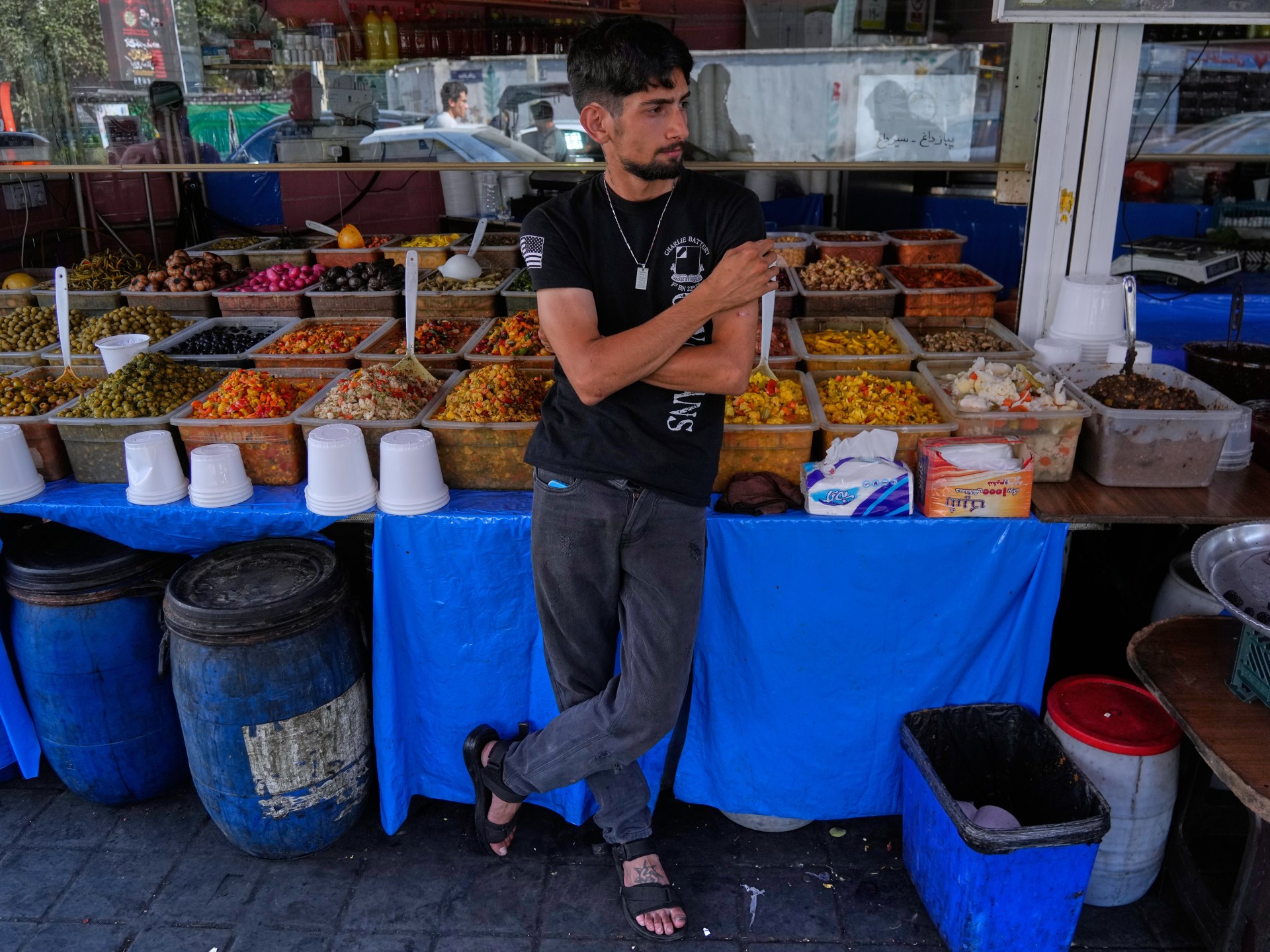
Kathmandu— Millions of Iranians are facing economic hardship as a prolonged war with the United States and a subsequent naval blockade devastate the nation’s economy, driving up prices for essential goods and limiting job opportunities. From teachers to shop owners, citizens report struggling to afford basic necessities like food, housing, and healthcare, despite Iran's relatively diversified economy and decades of efforts toward self-sufficiency. The crisis is compounded by existing issues of corruption, mismanagement, and longstanding US and UN sanctions, creating a challenging environment for both businesses and individuals.
Economic Strain on Iranian Workers
Saeed, a 26-year-old elementary school teacher in Tehran, expressed dismay at the limited employment options available despite holding a master’s degree. He noted that many jobs offer salaries below the minimum wage, often without benefits or insurance, and require long hours. “A lot of employers don’t offer insurance and are asking for 12 hours of work per day,” he said, adding that workers have few alternatives. The cost of essential goods is rapidly increasing; one kilogram of lamb now consumes approximately ten percent of a minimum wage earner's monthly income, while ten kilograms of rice accounts for over twenty percent.
Soaring Inflation and Declining Purchasing Power
According to the Statistical Center of Iran’s latest report from late July, year-on-year inflation reached 88 percent. Food inflation was even higher, exceeding 128 percent, meaning the cost of a typical food basket has more than doubled in a year. Specific items have seen dramatic price increases, with oils and fats rising by 261 percent, milk, cheese, and eggs by 147 percent, and meat and poultry by 145 percent. Despite government efforts to increase wages – a 60 percent rise was approved in March – the cost of living continues to outpace earnings.
Businesses Struggle Amidst Economic Hardship
Yashar, co-owner of a grocery shop in northern Iran, described how even owning assets provides little security. Despite also owning and renting out a second property, he said that rent and his mother’s pension barely cover basic expenses. “Business at the shop is terribly slow,” he explained, adding they are constantly short on funds to restock inventory. Ladan, who works in an office while running an online jewelry business, reported earning less than $11 profit after completing over a dozen sales last week, highlighting the difficulty of achieving sustainable growth even with additional income streams.
Government Response and Future Outlook
President Masoud Pezeshkian acknowledged the impact of the war and naval blockade on government revenue, stating that oil sales have been disrupted and factories damaged. He also indicated consideration of further increasing fuel prices despite previous hikes triggering protests. While Pezeshkian’s administration has expressed interest in a diplomatic resolution with Washington, no agreement is currently in sight, even as talks continue through Omani mediation regarding shipping lanes in the Strait of Hormuz. As tensions remain high and potential conflict looms, Iranians are bearing the brunt of the economic consequences.
The Iranian people continue to face significant economic challenges, with limited prospects for immediate relief despite ongoing diplomatic efforts and internal discussions about policy adjustments.
(With inputs from Al Jazeera)
Originally published on abcnews.com.np.


प्रतिक्रिया दिनुहोस्