

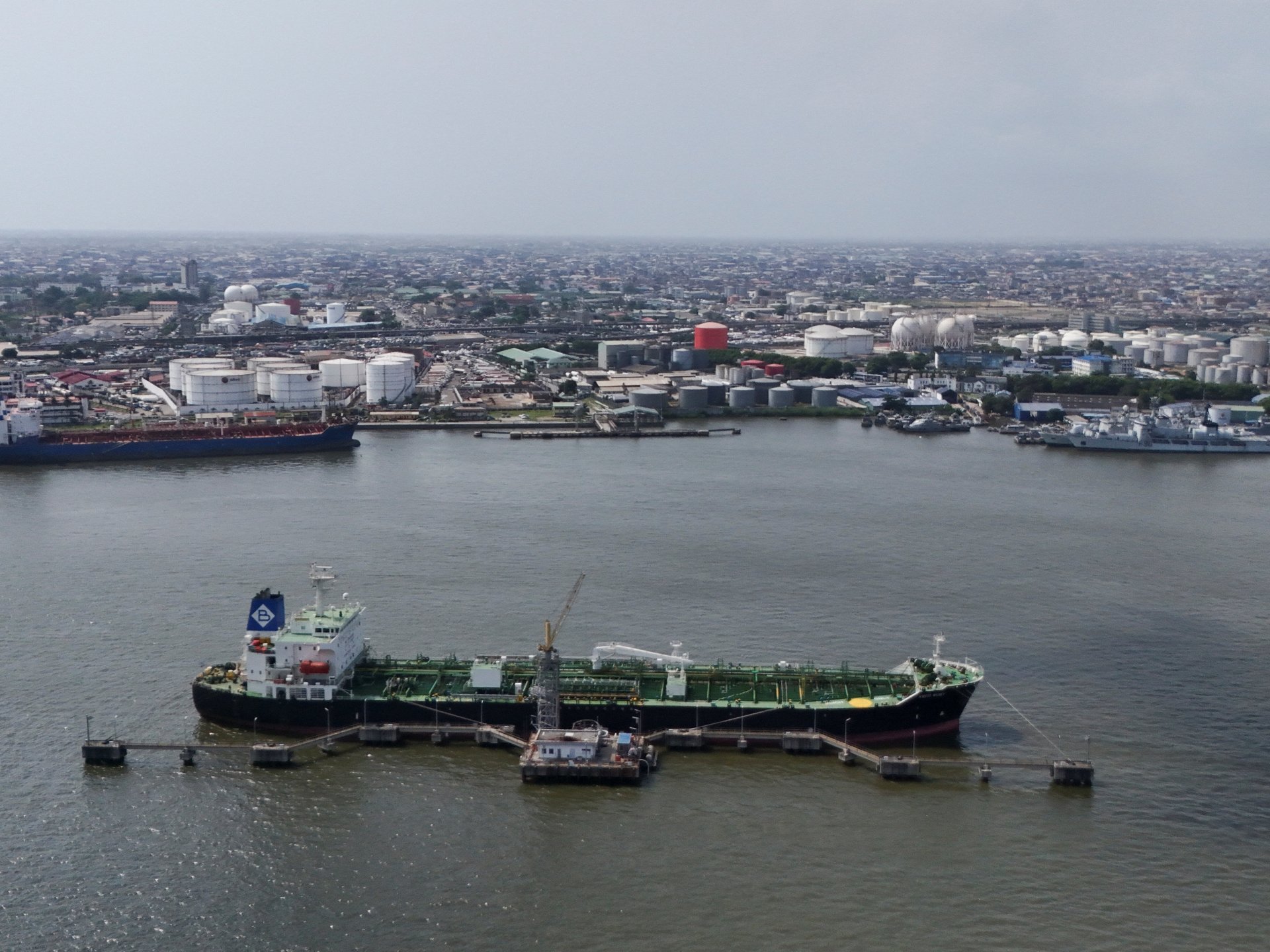
Kathmandu— Recent disruptions to traffic through the Strait of Hormuz, following similar impacts from the Russia-Ukraine war, have underscored Africa’s vulnerability despite its vast resources. However, as the world transitions into what analysts are calling a “post-Hormuz era” – one defined by multiple strategic maritime corridors rather than a single chokepoint – African nations have a unique opportunity to reshape their role in global geopolitics. Rather than remaining passive suppliers of raw materials, Africa can actively create its own geopolitical context through a coordinated and ambitious maritime strategy.
Overcoming Historical Maritime Neglect
For decades, African strategic thinking has prioritized land-based threats – liberation wars, civil conflicts, and border disputes – leaving the sea largely peripheral to both public policy and elite strategic culture. This historical tendency, termed ‘thalassophobia’ by some analysts, has resulted in limited investment in maritime power, the blue economy, and naval projection. Consequently, Africa has produced extensive analysis of land security but comparatively little focus on oceanic matters.
Challenges to a Unified Maritime Strategy
Despite recognizing the potential benefits of a common approach, African states face significant hurdles in forging a unified continental maritime strategy. The primacy of national sovereignty and adherence to established colonial borders create reluctance to share jurisdictional control over exclusive economic zones or pool resources for joint commands. Furthermore, diverse regional threats – piracy in the Gulf of Guinea, illegal fishing in the Indian Ocean, and migration across the Mediterranean – complicate efforts to establish a single agenda. Cost and capability also pose challenges, as building robust maritime security infrastructure is expensive and many states struggle to sustain it.
The Role of External Actors
A persistent reliance on foreign navies for maritime security further hinders the development of endogenous capacity. The presence of international missions, military bases, and bilateral agreements provides a functional dependence that discourages investment in local capabilities. Moreover, political and financial incentives often favor bilateral relations with external powers over regional integration, leading to resource flows from outside rather than within the continent. Internal issues such as insurrections and border disputes also divert attention and funding away from maritime priorities.
Seizing a Geopolitical Opportunity
The shift towards a polycentric global system – where economic security depends on multiple strategic corridors including Hormuz, Bab al-Mandeb, the Suez Canal, and the Mozambique Channel – presents Africa with a pivotal opportunity. By capitalizing on its central geographic position and abundant resources, Africa can move beyond being merely a region traversed by global flows to becoming an integral part of these critical maritime networks. The continent has already adopted strategies like the 2050 Africa’s Integrated Maritime Strategy and the African Charter on Maritime Security and Safety, but translating these documents into tangible action remains key.
Priorities for Action
To fully realize this potential, several concrete steps are necessary. These include ratifying existing maritime agreements, building shared maritime domain awareness through surveillance and intelligence sharing, establishing an African maritime security fund to reduce reliance on external donors, integrating maritime efforts with the African Continental Free Trade Area, strengthening energy resilience through refining capacity, and investing in human and industrial capital within the maritime sector. The Yaounde Architecture, a successful regional model for combating piracy in the Gulf of Guinea, offers a replicable framework for other areas.
The post-Hormuz era represents a significant window of opportunity for Africa to assert its geopolitical agency. Whether the continent can seize this moment depends on developing not only effective strategies and institutions but also the strategic vision necessary to become a subject – rather than an object – of history.
(With inputs from Al Jazeera)
Originally published on abcnews.com.np.






प्रतिक्रिया दिनुहोस्