

Kathmandu— Nepal, a nation with a rich and ancient history, is renowned for its temples, palaces, and stupas that reflect generations of artistic expression and religious belief. While significant efforts have been made to rebuild heritage sites damaged during the 2015 earthquake—which impacted nearly 920 cultural monuments—questions are being raised regarding the quality of reconstruction and adherence to traditional methods.
Earthquake Damage and Reconstruction Efforts
The 2015 earthquake caused widespread damage to Nepal’s cultural heritage, affecting approximately 2,900 structures according to a Post Disaster Need Assessment by the National Planning Commission. Of those affected, 920 were cultural monuments, with 133 completely destroyed, 233 heavily damaged, and 554 partially damaged. Officials from the Department of Archaeology (DoA) report that 825 of these damaged monuments have since been reconstructed. In the last fiscal year alone, ten heritage sites were restored as part of an ongoing project to rebuild 215 centuries-old monasteries.
Concerns Over Reconstruction Quality
Despite the progress in restoring physical structures, heritage experts are voicing concerns about the quality of the work and whether it aligns with established principles of heritage reconstruction. The Office of the Auditor General (OAG) has also flagged issues, noting in its 62nd annual report that the DoA did not adequately verify the reuse of salvaged materials – such as wood, doors, stones, and bricks – during the rebuilding process. Instead, demolition and new construction were treated as separate expenses.
Preserving Authenticity Through Traditional Methods
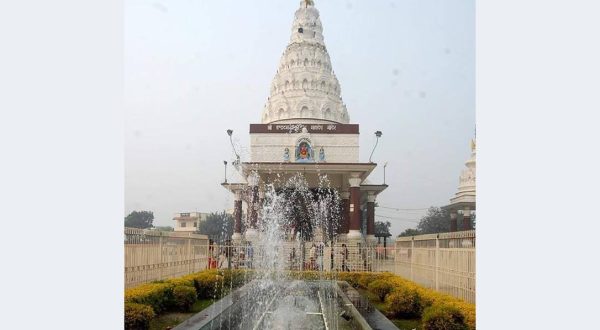
Experts emphasize the importance of utilizing original materials, skills, and construction techniques to maintain the authenticity of heritage sites, suggesting that up to 90 percent of materials from ruined structures could be reused. The DoA successfully applied these norms during the reconstruction of Kasthamandap, but deviations occurred in projects like the Rato Machhindranath temple in Bungamati. Beyond raw materials, experts stress the importance of preserving traditional craftsmanship and cultural values – as demonstrated by public pressure to remove modern concrete elements from the Rani Pokhari restoration project.
Growing public awareness regarding heritage reconstruction has played a crucial role in upholding originality and safeguarding Nepal’s traditional skills and knowledge following the 2015 earthquake, ensuring that restored monuments reflect both physical rebuilding and cultural preservation.
(With inputs from RN)
Originally published on abcnews.com.np.


प्रतिक्रिया दिनुहोस्