

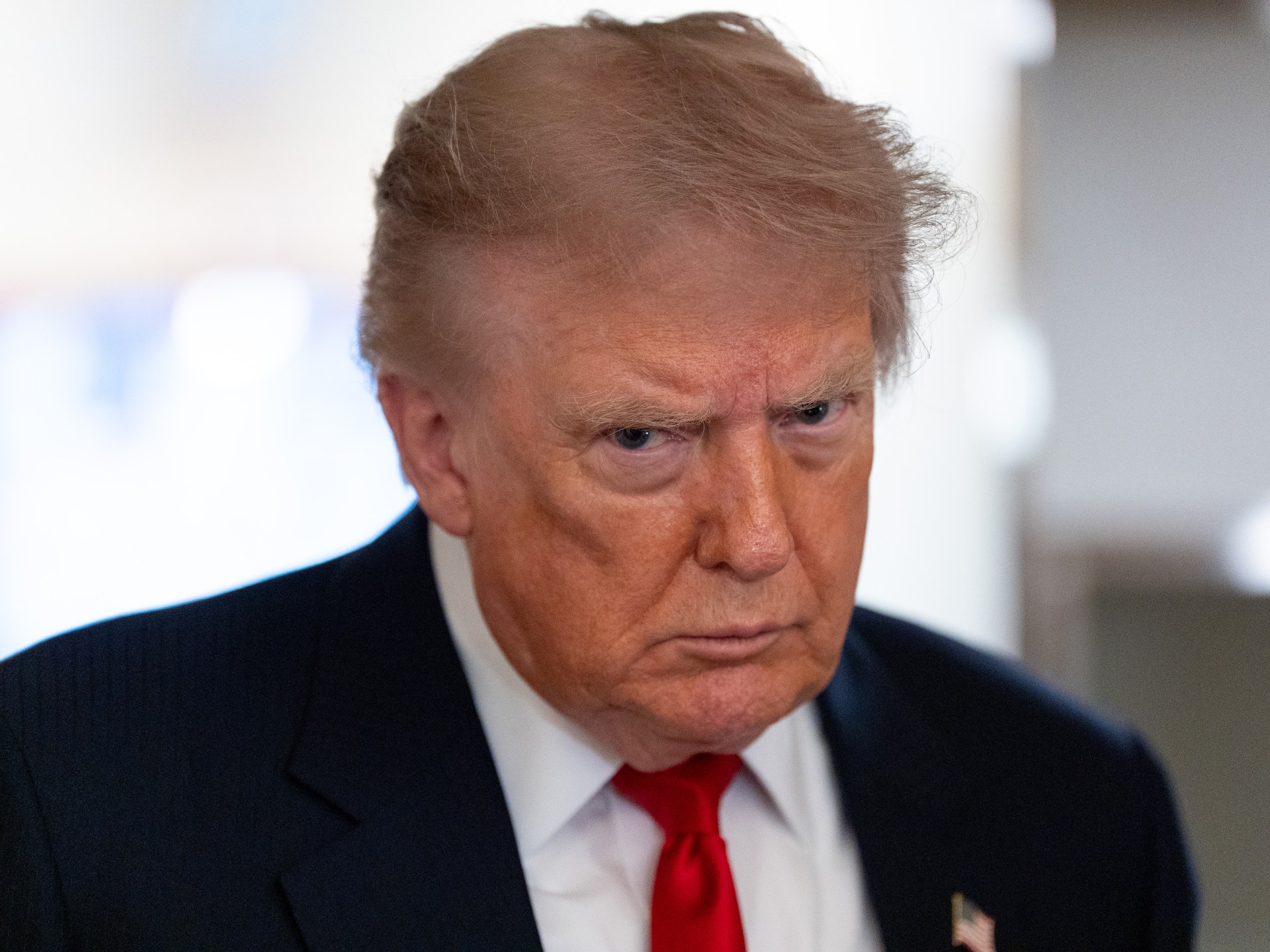
Kathmandu— Former President Donald Trump has directed the Pentagon to “substantially” scale back planned military drills with South Korea, citing both a perceived lack of support from Seoul regarding U.S. policy towards Iran and his positive relationship with North Korean leader Kim Jong Un. In a social media post on Sunday, Trump characterized the exercises as costly and unnecessarily provocative toward North Korea, which he claims has maintained a respectful posture during his time in office. The decision comes amid escalating tensions in the region, including recent North Korean missile tests and growing cooperation between Pyongyang and Moscow.
History of US-South Korea Military Drills
The Ulchi Freedom Shield (UFS) drills are annual military exercises between the United States and South Korea that began in 1976, primarily focused on defending against potential aggression from North Korea. These exercises typically involve a significant deployment of personnel and resources, with this year’s iteration planned to include approximately 18,000 Korean soldiers and 28,500 U.S. troops stationed in the region. Historically, several other nations—including Australia, the United Kingdom, Canada, Colombia, Denmark, the Netherlands, and New Zealand—have also participated in these drills, demonstrating a broad international commitment to regional security.
Regional Concerns and Opposition to Drills
While Washington and Seoul maintain that the UFS exercises are defensive in nature, they consistently draw criticism from within South Korea. Members of groups like Solidarity for Peace, Sovereignty and Reunification recently protested outside the US Embassy in Seoul, arguing that the drills escalate tensions and increase the risk of nuclear conflict. North Korea itself routinely condemns the drills as provocative, often responding with its own missile tests timed to coincide with the exercises. Last week, Pyongyang denounced the latest planned drills, claiming they heighten instability on the Korean Peninsula and warning of a corresponding escalation in its own deterrent capabilities.
Trump’s Motivations and Past Actions
Trump's decision to scale back the drills appears linked to multiple factors, including frustration over South Korea’s refusal to join the U.S. in efforts regarding Iran. According to Trump, he asked the President of South Korea to participate in “the denuclearization of the Islamic Republic of Iran,” but received a negative response. This is not the first time Trump has questioned the value of these exercises; during his initial term, following a 2018 summit with Kim Jong Un, he labeled them “expensive” and “provocative.” Analysts suggest that Trump may be attempting to re-establish dialogue with North Korea as a means of bolstering his international standing.
South Korean Response and Future Prospects
Seoul has indicated that the military drills will proceed as planned despite Trump’s announcement. The South Korean presidential office expressed hope that the friendly relationship between Trump and Kim Jong Un could facilitate bilateral talks aimed at achieving peace on the Korean Peninsula. President Lee Jae Myung recently proposed formal discussions with North Korea to officially end the Korean War, suggesting dialogue as a potential pathway to curb Pyongyang's nuclear program. However, experts remain cautious about the prospects for renewed negotiations, noting that Trump’s actions are often unpredictable and may not necessarily translate into meaningful progress.
The scaled-back drills are set to take place later this month, and it remains to be seen whether they will lead to a resumption of dialogue between the U.S. and North Korea or further complicate regional security dynamics.
(With inputs from Al Jazeera)
Originally published on abcnews.com.np.
प्रतिक्रिया दिनुहोस्