

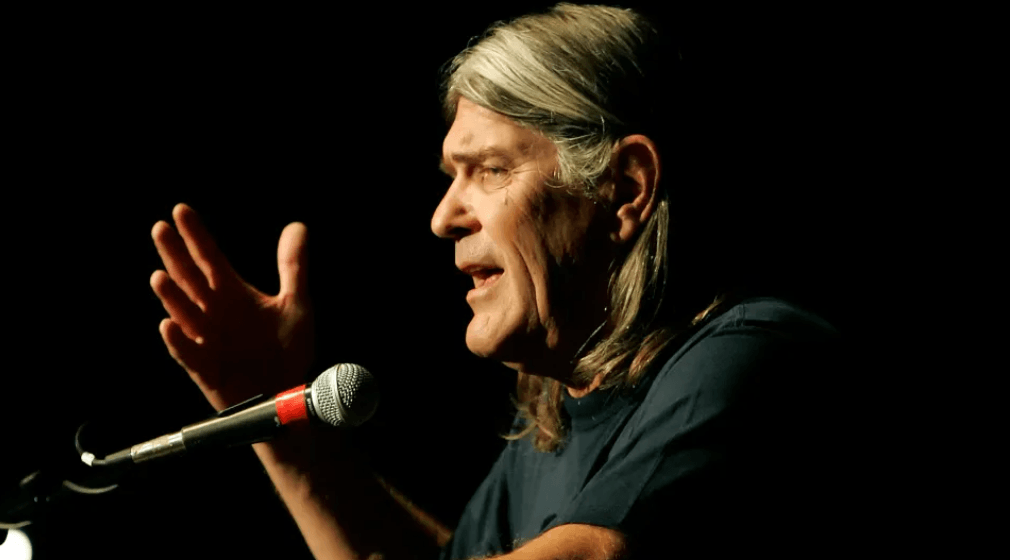
Kathmandu— Ward Churchill, a controversial scholar known for his critiques of U.S. foreign policy and treatment of Native Americans, died last week at the age of 79. Following a highly publicized dispute with the University of Colorado in 2005, which led to his dismissal and subsequent legal battles, Churchill continued to write and research while defending his work. This interview, conducted in 2014, offers insight into his experiences navigating academic blacklisting, pursuing international legal avenues, and completing numerous writing projects.
Post-Dismissal Legal Battles
Following his termination from the University of Colorado, Churchill engaged in a protracted legal battle that lasted nearly a decade. He sued the university alleging retaliation for expressing political views, arguing they used accusations of research misconduct as a pretext for dismissal. While a jury initially sided with Churchill, the judge vacated the verdict based on the concept of “quasi-judicial immunity” afforded to boards of regents, effectively shielding them from legal consequences even if wrongdoing occurred.
International Legal Pursuit
Churchill pursued further recourse by filing a complaint with the Inter-American Commission on Human Rights in September 2013. Represented by the Human Rights Research Fund and other attorneys, he argued that the U.S. government had violated international law by failing to protect him as a “human rights defender.” He hoped this action would establish legal parameters around constraints on sociopolitical discourse, potentially offering tools for those opposing the status quo both domestically and internationally.
Continued Scholarship & Speaking Engagements
Despite facing professional setbacks, Churchill remained actively engaged in writing and research. He had multiple books in progress and continued to publish articles and book chapters. Although he experienced administrative blacklisting on many campuses—where invitations for lectures were rescinded due to pressure from university administrations—he still accepted speaking engagements selectively, prioritizing events aligned with his interests and values. “I’m basically doing as many speaking gigs as I want these days,” he stated, “and that allows me to be rather selective about which invitations I accept.” He also noted a growing weariness of the lecture circuit after two decades of frequent travel.
Accusations of Scholarly Misconduct
Churchill vehemently refuted accusations of scholarly fraud and plagiarism leveled against him during his university dispute. The jury in his initial trial found no credibility in the testimony of witnesses brought forth by the University of Colorado, concluding that the charges were unsubstantiated. Churchill highlighted inconsistencies and fabrications within the testimonies presented against him, emphasizing that the verdict remained unaltered despite the judge’s subsequent legal maneuverings.
Churchill continued to work on several book projects at the time of this interview, with plans to publish them over the following years. His case with the Inter-American Commission on Human Rights was ongoing.
(With inputs from CounterPunch)
Originally published on abcnews.com.np.

प्रतिक्रिया दिनुहोस्