

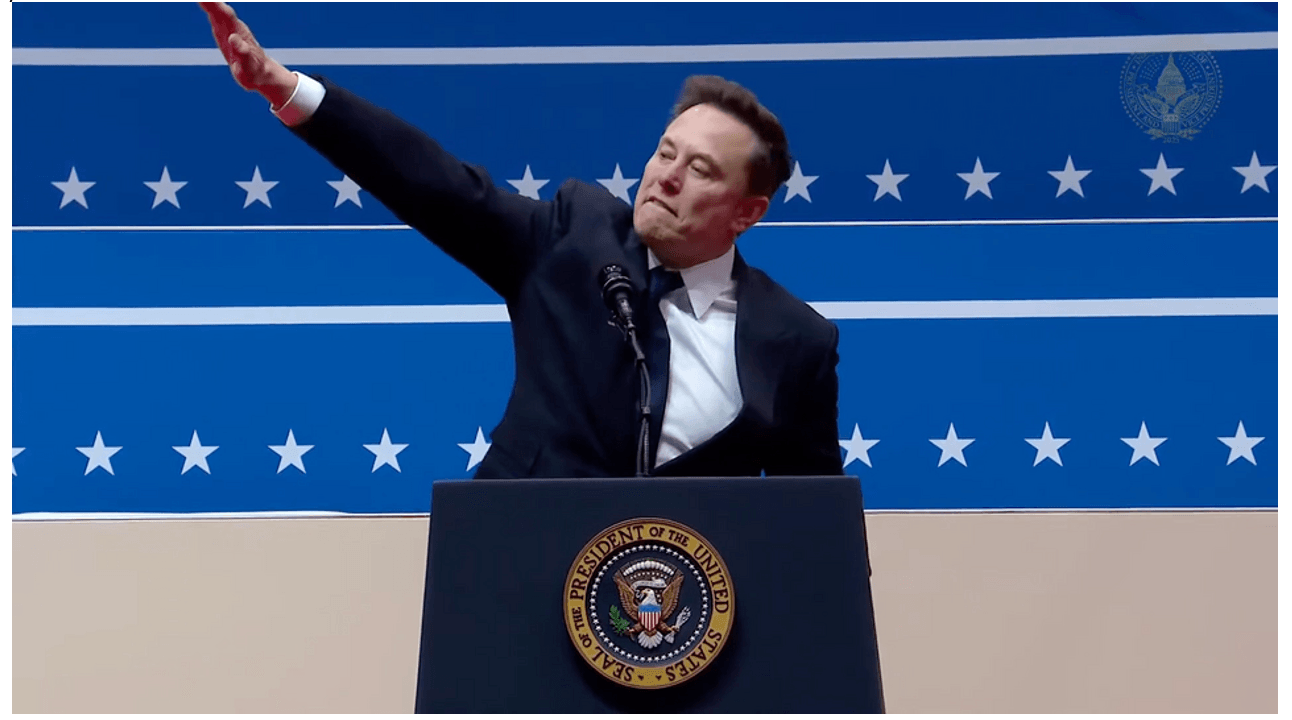
Kathmandu— Growing discontent with Elon Musk’s business practices and public statements has sparked calls for a boycott in South Africa, the country of his birth. Critics allege that Musk embodies an exploitative form of capitalism and promotes dangerous ideologies, drawing stark contrasts between him and anti-apartheid icon Nelson Mandela. The dispute centers on Musk's opposition to Black Economic Empowerment policies required for Starlink licensing, his claims about ‘anti-White’ laws in South Africa, and broader concerns over his influence and the direction of his companies.
Echoes Of Apartheid
Critics argue that Musk’s ideology reflects a continuation of the racial hierarchies prevalent during South Africa's apartheid era. They point to his opposition to Black Economic Empowerment (BEE) policies – designed to address economic inequalities created by apartheid – as evidence of this, despite their common use as loan arrangements for foreign investors. Musk has publicly stated that Starlink requires “sole ownership” of its subsidiaries, a justification dismissed by many as disingenuous.
Furthermore, his claim that South Africa now has more ‘anti-White’ laws than existed during apartheid has drawn fierce condemnation, with critics arguing it denies the historical injustices committed against Black South Africans and minimizes the severity of the apartheid regime – which the United Nations deemed a crime against humanity.
Musk's Expanding Influence In The US
The concerns extend beyond South Africa, focusing on Musk’s growing influence within the United States. Following Donald Trump’s inauguration in 2025, Musk established a ‘Department of Government Efficiency’ (DOGE) with direct access to the President and Cabinet, while simultaneously securing substantial federal subsidies for his companies like SpaceX.
This has led to accusations that Musk is leveraging state power to benefit his businesses and promote an ideology characterized by corporate libertarianism, surveillance technology, and a drift towards the far-right. Critics highlight instances such as the dismantling of USAID under DOGE’s direction, resulting in cuts to crucial aid programs, including those supporting HIV/AIDS treatment and maternal health in Africa.
A Troubled Childhood And Ideological Roots
An examination of Musk's upbringing in South Africa reveals a formative period marked by violence and the social inequalities of apartheid. Accounts from his childhood describe a violent bullying incident that left him hospitalized, as well as a turbulent relationship with his father, who was involved in illicit emerald trading.
The article suggests these experiences shaped Musk’s worldview and contributed to an ideology rooted in white South Africa's historical context. It draws parallels between the values of Musk and other PayPal founders with ties to Southern Africa, suggesting a pattern of conservative crusaders emerging from this region.
Financial Engineering And Concerns Over Exploitation
The analysis extends to Musk’s financial practices, criticizing the use of complex financial engineering – particularly surrounding SpaceX's IPO – that benefits insiders while shifting risk onto passive investors. Critics argue that this exemplifies a broader trend within capitalism towards prioritizing profit over social responsibility and exploiting labor.
The article highlights concerns about Tesla’s non-unionized workforce, allegations of unsafe working conditions, and Musk’s resistance to collective bargaining. It frames these practices as indicative of a system where capital seizes control of the state and undermines worker protections.
The controversy surrounding Elon Musk continues to escalate, with critics urging increased regulation or even nationalization of his companies. The debate raises fundamental questions about the role of wealth, power, and ideology in shaping the future of technology and society.
(With inputs from CounterPunch)
Originally published on abcnews.com.np.





प्रतिक्रिया दिनुहोस्