

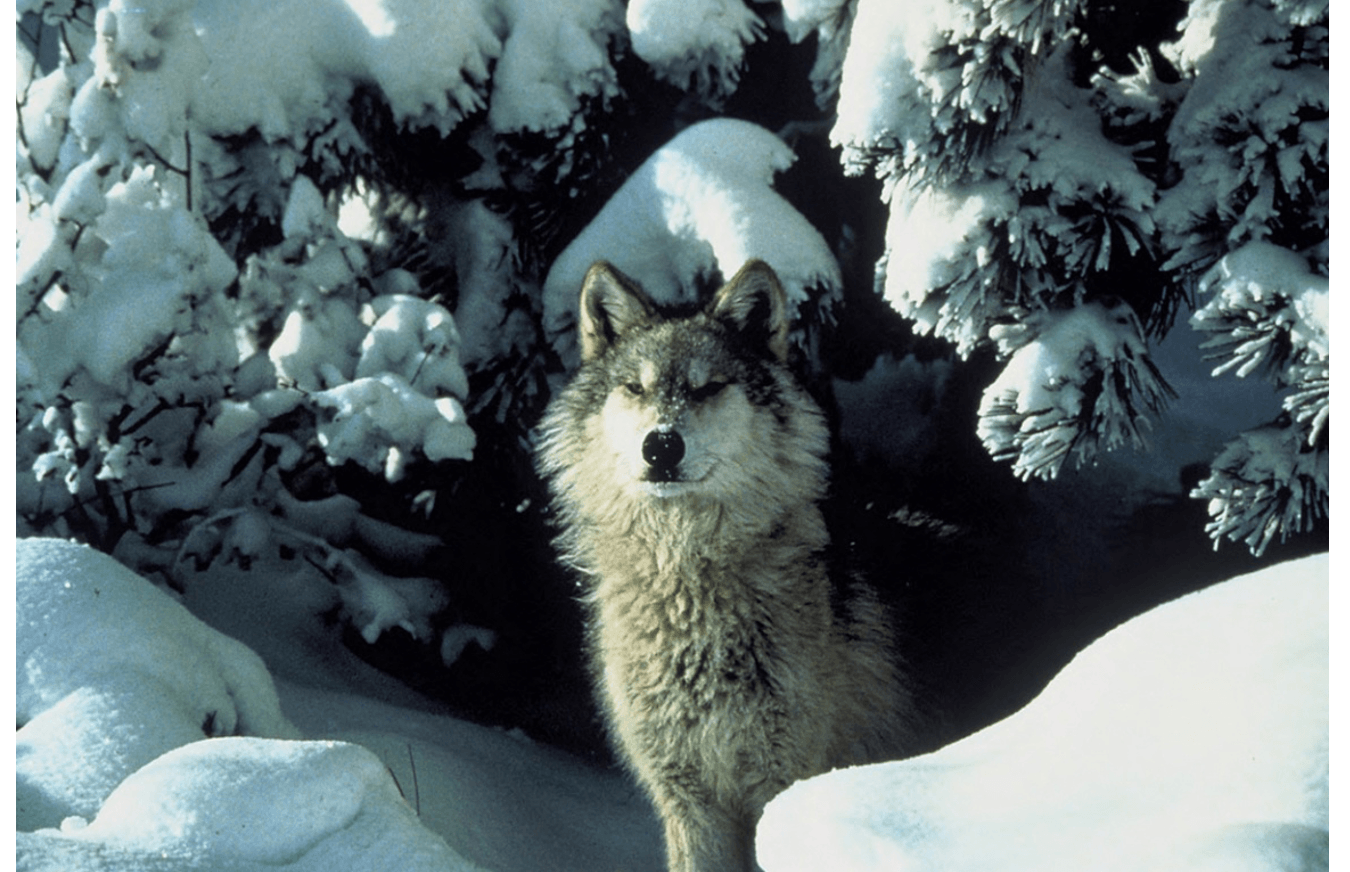
Kathmandu— On August 19th, the Montana Fish and Wildlife Commission will decide whether to approve a plan that would allow for the culling of up to 250 wolves through hunting and trapping across the state. The proposal also permits unlimited “removals” of wolves on private property deemed to pose a threat to livestock or personal safety, as well as by wildlife officials in response to perceived threats. Critics argue this broad approach prioritizes specific economic interests over scientific data, public tolerance for wolves—currently at 74% according to recent surveys—and the ecological benefits provided by the species.
Questionable Effectiveness of Current Management
Montana’s wolf management strategy often employs a statewide response to localized conflicts between wolves and livestock. While the state authorizes both general hunting/trapping seasons and targeted removals of problem animals, research suggests these approaches are not equally effective. A 2018 study led by Montana Fish, Wildlife & Parks (FWP) found that targeted management reduced recurrent depredations, but public harvest did not reliably eliminate conflict year after year. The study also highlighted a spatial mismatch, with the majority of livestock losses occurring on private land while most public wolf harvesting takes place elsewhere.
Economic Impact of Wolf Policy
Despite claims to the contrary, the economic impact of wolf management and related industries is relatively small compared to Montana’s overall economy. Hunting, shooting, and trapping generated approximately $118.4 million in value added in 2024, while guiding and outfitting contributed $162.5 million—representing just 0.15% and 0.21% of the state's $78.4 billion GDP, respectively. Similarly, livestock production accounts for roughly 1.8% of Montana’s real GDP, and federal public-land grazing contributes an even smaller percentage to statewide employment and income. Experts argue that these industries wield disproportionate political influence despite their limited economic footprint.
Shifting Public Opinion
Public tolerance for wolves in Montana remains relatively high, but support for wolf hunting and trapping is declining. A 2023 survey revealed that 74% of residents are tolerant or very tolerant of wolves on the landscape, down from 71% in 2012 for wolf hunting and even lower for trapping. This shift in public opinion contrasts with a broader trend observed across western states, where concerns about rollbacks of environmental protections are growing—with strong opposition voiced by Democrats (94%), Independents (87%), and a significant portion of Republicans (74%).
Ecological Role of Wolves
Beyond livestock conflict, wolves play an important ecological role in Montana’s ecosystems. They selectively prey on vulnerable animals and can influence the spread of diseases like chronic wasting disease by affecting elk populations and scavenger communities. Research suggests that diverse scavenger communities—supported by wolf kills—can even shorten the persistence of potentially infectious materials. Advocates argue these ecological functions should be considered alongside livestock conflicts when formulating wolf management policies.
The Montana Fish and Wildlife Commission is scheduled to vote on the proposed wolf cull on August 19th, with ongoing opportunities for public comment available until August 18th via Zoom.
(With inputs from CounterPunch)
Originally published on abcnews.com.np.




प्रतिक्रिया दिनुहोस्