

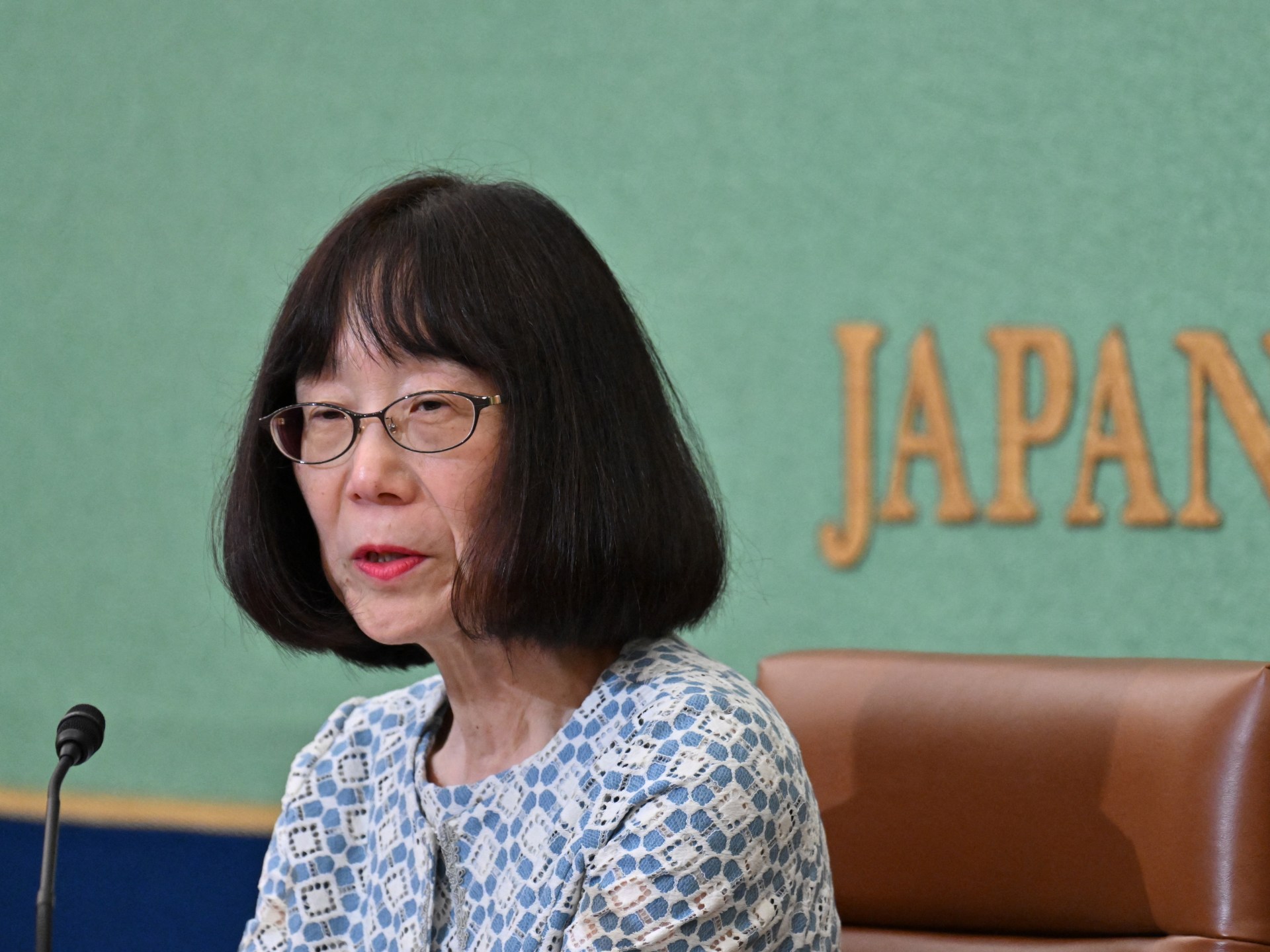
Kathmandu— The United States government has imposed sanctions on Tomoko Akane, President of the International Criminal Court (ICC), and Abdoulaye Seye, a Senior Trial Lawyer at the court, effective September 17th. The move, announced Tuesday by Secretary of State Marco Rubio, freezes any US-based assets held by the officials and restricts financial transactions with them, continuing the Trump administration’s long-standing effort to challenge the ICC's authority and jurisdiction over actions involving the United States and its allies. The sanctions are a response to investigations into alleged war crimes committed in Afghanistan and during Israel’s conflict in Gaza, which the US views as an infringement on national sovereignty.
Escalating Tensions with The Hague
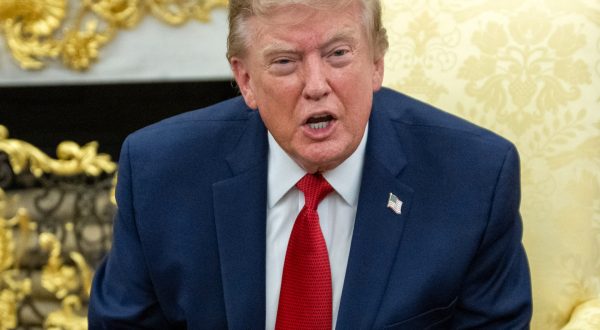
The imposition of these sanctions represents a significant escalation in the Trump administration's opposition to the ICC. Rubio has publicly stated his intention to “dismantle” the court, viewing it as a threat to US national sovereignty and an overreach of international law. More than a dozen judges and prosecutors from the ICC have already been sanctioned, impacting their access to the international banking system. The US has also targeted human rights groups and individuals like UN special rapporteur Francesca Albanese for cooperating with the court.
ICC Response and Legal Challenges
The International Criminal Court has strongly condemned the sanctions as an attack on the rule of law and a threat to judicial independence. In June, three ICC judges filed a lawsuit against the Trump administration, arguing that the sanctions were “arbitrary and capricious” and designed to curtail the court’s ability to function impartially. The court maintains its jurisdiction to investigate crimes committed within its 125 member states, even if the alleged perpetrators are not members of the court themselves.
Investigations into US and Israeli Actions
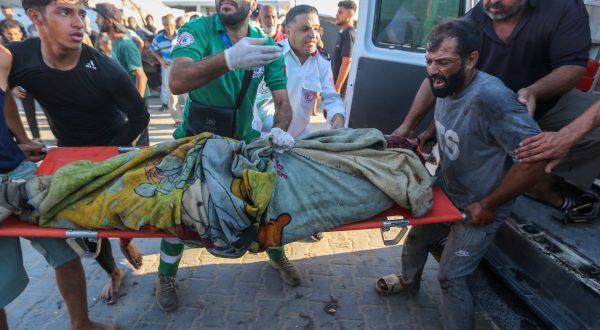
The core of the dispute lies in ICC investigations into actions taken by both the United States and Israel. In 2020, the court opened a probe into allegations of war crimes committed by US forces during the two-decade conflict in Afghanistan. More recently, in 2024, arrest warrants were issued for Israeli Prime Minister Benjamin Netanyahu and former Defence Minister Yoav Gallant concerning alleged war crimes during Israel’s military operations in Gaza. The Trump administration objects to both investigations, asserting that the ICC lacks jurisdiction over actions involving non-member states.
Withdrawals and Future Prospects
The US campaign against the ICC has reportedly influenced other nations' decisions regarding their membership. Chad and Venezuela have announced plans to withdraw from the court, with critics suggesting that US pressure played a role in those decisions. Rubio’s recent statement indicated further punitive measures may be considered, reinforcing the administration’s commitment to opposing the ICC’s actions and challenging its authority.
The United States continues to maintain its opposition to the ICC's investigations, while the court defends its mandate to address grave international crimes and uphold the rule of law. The situation remains tense with potential for further escalation.
(With inputs from Al Jazeera)
Originally published on abcnews.com.np.
प्रतिक्रिया दिनुहोस्