

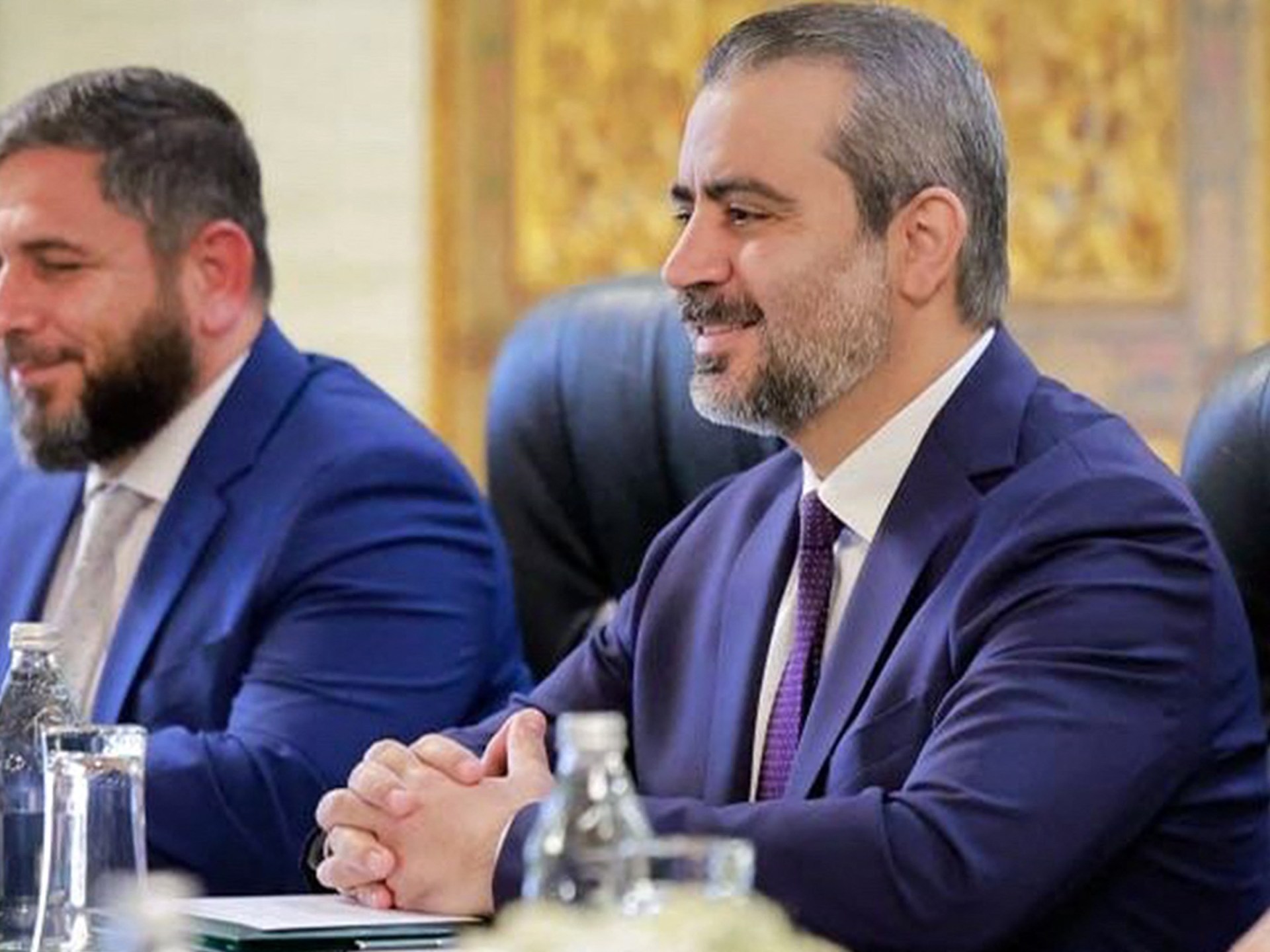
Kathmandu— Syria’s government has begun cooperating with the International Atomic Energy Agency (IAEA) to investigate remnants of a nuclear program dating back to the rule of Bashar al-Assad, after reporting the discovery of several tonnes of nuclear material at a site in Damascus last month. The Syrian government stated it is working with the UN watchdog to address the legacy of nuclear activities carried out during decades of Assad family leadership, and that the discovered material poses no immediate danger but will remain under Syrian custody with international guarantees. This development follows the fall of the Assad regime in late 2024 and a commitment from current authorities to transparency regarding past nuclear endeavors.
Undisclosed Nuclear Material Found
Syria reported the site containing the material to the IAEA last month, prompting an inspection. According to officials, the discovered material amounts to several tonnes and was found at a location in Damascus. Foreign Minister Asaad al-Shaibani affirmed that the material is not considered dangerous and will remain within Syria, subject to international safeguards.
IAEA Praises Syrian Cooperation
IAEA chief Rafael Grossi lauded the Syrian government’s decision to report the previously undisclosed site as “courageous.” Speaking at a news conference in Damascus, he acknowledged that while the material itself isn't an immediate threat, it could potentially be misused. "We are talking about a few tonnes of nuclear material that could be put to bad use," Grossi said, adding that the IAEA intends to place the material under international safeguards.
Historical Context and Previous Concerns
Syria is not believed to currently possess operational stockpiles of nuclear weapons-grade materials. However, concerns regarding Syria’s nuclear ambitions date back to at least 2007, when Israel conducted an airstrike on a suspected Syrian nuclear reactor in Deir ez-Zur. The IAEA inspectors have since visited both the site in Deir ez-Zur and the recently identified location containing the nuclear material.
Voluntary Disclosure by Syria
Foreign Minister al-Shaibani emphasized that the disclosure of the nuclear materials was a voluntary act by the Syrian government. “On July 17, we sent an official letter to the agency, in which we declared of our own free will the presence of nuclear materials at an undeclared site within the legacy left by the former regime,” he stated.
The IAEA continues to work with Syria to ensure all remaining aspects of the Assad-era nuclear program are accounted for and secured. Further inspections and monitoring efforts are expected in the coming months.
(With inputs from Al Jazeera)
Originally published on abcnews.com.np.


प्रतिक्रिया दिनुहोस्