

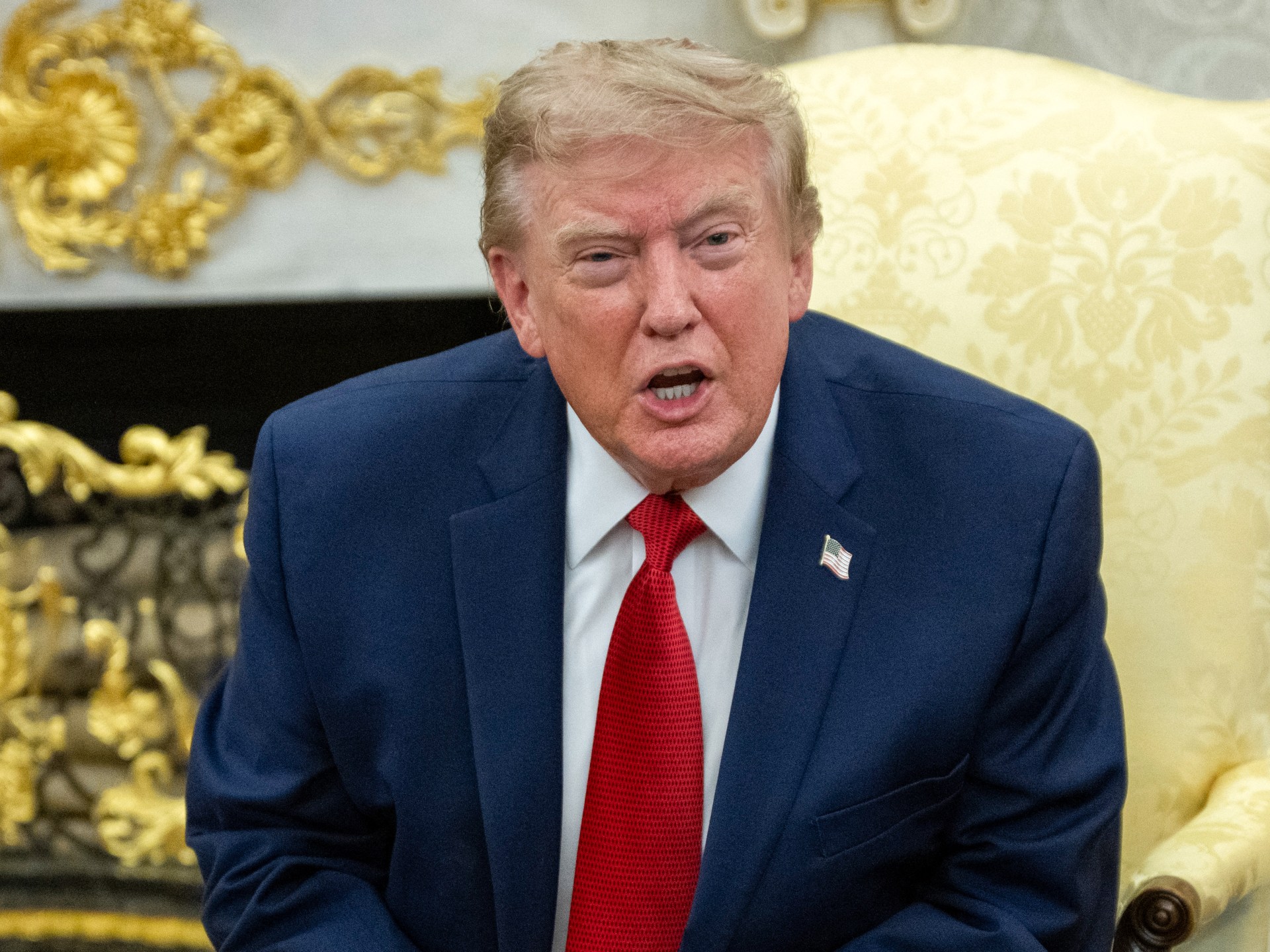
Kathmandu— President Donald Trump stated on Tuesday that the United States is not currently engaged in, nor has scheduled, any talks with Iran, while simultaneously asserting the continued openness of the Strait of Hormuz to marine traffic. The announcement follows a period of conflicting statements from the president regarding potential back-channel conversations and occurs as Iran and Oman continue discussions about managing the vital waterway, despite Trump’s demands for Iranian surrender and threats against Oman. Trump also shared a map on social media depicting the strait as U.S. territory, reiterating previous claims.
Shifting Positions and Conflicting Reports
Trump's latest comments represent a reversal from his claim on Monday that the U.S. was engaged in conversations with Iran’s Islamic Revolutionary Guard Corps (IRGC), a claim quickly denied by Tehran. A U.S. official told Al Jazeera that “positive talks” had been ongoing, but Trump has now “decided to wait” for Tehran to be “ready to make a deal.” The official insisted there is “no conflict” within the administration regarding discussions with Iran.
Iranian Demands and Regional Tensions
Iran maintains that the Strait of Hormuz will remain closed until the United States fulfills the terms outlined in a memorandum of understanding (MoU) signed in June, aimed at de-escalating hostilities that began in March. Kazem Gharibabadi, Iran’s deputy foreign minister for legal and international affairs, responded to Trump's post, stating that his “delusion regarding the Strait of Hormuz will either be corrected or we will correct the delusions of this deluded man.” Mohammad Bagher Ghalibaf, a top Iranian negotiator, stated the strait would remain shut until the U.S. lifts its blockade of Iranian ports, removes oil sanctions, releases frozen assets, and ends threats.
Escalating Regional Conflict
The ongoing dispute is coinciding with increased regional instability. The United Arab Emirates reported detecting two ballistic missiles launched from Iran on Tuesday evening, which landed in the sea. Simultaneously, eight air strikes hit a military base in Syria’s Idlib province, reportedly causing damage but no casualties; the U.S. has accused Israel of carrying out these strikes, with US special envoy Tom Barrack calling it “an unnecessary escalation.”
Mediation Efforts Stall
Qatar indicated on Tuesday that mediators are awaiting a potential deal between Iran and Oman before attempting to resume talks between Washington and Tehran. However, the rhetoric from both sides suggests that progress towards peaceful negotiations and the reopening of maritime traffic through Hormuz has stalled, potentially prolonging the conflict.
Negotiations remain at an impasse as both the U.S. and Iran maintain firm positions on key demands, while regional tensions continue to escalate with recent missile launches and airstrikes.
(With inputs from Al Jazeera)
Originally published on abcnews.com.np.



प्रतिक्रिया दिनुहोस्